Owning an iguana is rewarding, but it comes with challenges. Vitamin deficiency is a common issue that can affect your iguana's health. If you notice any changes in your iguana’s behavior or appearance, it could indicate a vitamin deficiency. Recognizing these signs is vital for ensuring your iguana lives a long and vibrant life. Let’s dive into the symptoms of vitamin deficiencies and discuss the best feeding practices to keep your iguana thriving.
Common Iguana Vitamin Deficiency Symptoms
First things first, let’s talk about the signs. Iguanas can’t speak up when they’re feeling off, so it’s up to us as pet parents to be observant. Here are some common symptoms to look out for:
- Weakness and lethargy: If your iguana seems less active or is spending more time in its hiding spot, this could be an early sign of vitamin deficiency.
- Swollen joints: Look for any swelling in the limbs or tail. This could indicate a calcium deficiency.
- Soft or rubbery bones: Vitamin D3 helps with calcium absorption. Without it, your iguana’s bones may become weak.
- Color changes: A vibrant green iguana may start to dull in color. This can be a sign of not getting enough vitamins.
- Loss of appetite: If your iguana is turning its nose up at food, it’s a red flag!
Identifying Specific Vitamin Deficiencies
Now that we know some general symptoms, let’s dig deeper into specific vitamin deficiencies. Iguanas need a balanced diet rich in essential vitamins and minerals. Here are the key vitamins to monitor:
Vitamin A Deficiency
Vitamin A is crucial for the health of your iguana’s skin and eyes. Symptoms include:
- Swollen eyes
- Skin issues
- Increased sensitivity to light
Vitamin D3 Deficiency
Without enough vitamin D3, your iguana can’t absorb calcium properly. This can lead to serious health issues. Look for:
- Bone deformities
- Weakness and lethargy
- Increased aggression
Calcium Deficiency
Calcium is vital for strong bones. If your iguana is lacking calcium, they may exhibit:
- Soft jaw
- Seizures
- Muscle spasms
Proper Feeding Methods for Iguanas
Now that we understand iguana vitamin deficiency symptoms, let’s discuss how to prevent them through proper feeding. A well-rounded diet is key to your iguana’s health. Here are some feeding tips:
Focus on Leafy Greens
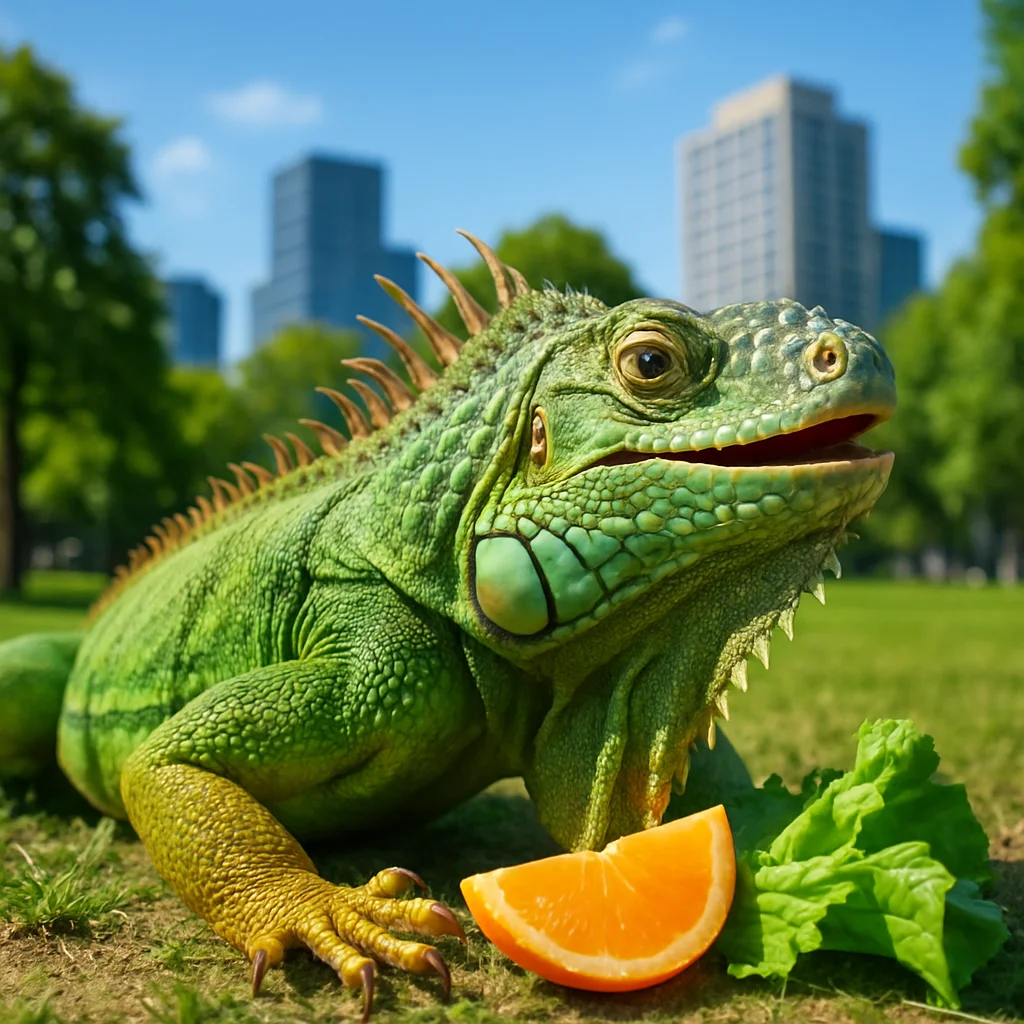
Fresh leafy greens should make up the bulk of your iguana’s diet. Collard greens, dandelion greens, and turnip greens are excellent choices. Avoid iceberg lettuce as it offers little nutritional value.
Add Variety with Vegetables
Incorporate a variety of vegetables into their meals. Bell peppers, squash, and carrots can add necessary vitamins and minerals. Just chop them up small enough for easy consumption.
Fruits in Moderation
Fruits can be a delightful treat for your iguana, but they should only be given in moderation. Think along the lines of berries and melons. They’re tasty and provide some additional nutrients!
Supplements: When to Consider Them
If you’re concerned that your iguana isn’t getting enough vitamins from food alone, consider supplements. Calcium and vitamin D3 supplements can be sprinkled on their food. However, always consult your vet before introducing any new supplements to your iguana's diet. Too much of a good thing can be harmful.
Regular Vet Check-Ups
Finally, regular check-ups with a vet experienced in reptile care can go a long way. They’ll help you identify any potential deficiencies early and provide guidance on diet.
Conclusion
Understanding iguana vitamin deficiency symptoms and proper feeding methods is essential for every iguana owner. By keeping an eye on your pet's behavior and diet, you can help prevent health issues down the road. Remember, a well-fed iguana is a happy iguana!