


For many of us, traveling with our furry friends is an exciting adventure. But how do you ensure your pet is safe and comfortable during the ride? It all comes down to preparation and some simple tips. Whether it's a quick trip to the vet or a longer journey, knowing how to choose the right carrier and ensure proper ventilation can make all the difference. Let's dive into some essential advice that will help you and your pet enjoy a stress-free travel experience together!
1. Preparing for the Journey Ahead
Before you even set foot in the car, preparation is key to safe car travel with pets. Start by assessing your pet’s travel needs. If your furry friend gets anxious on the road, consider taking them on shorter trips leading up to your travel date. This helps them get used to the car environment. Also, be sure to check that your pet is up to date on vaccinations. Some places might require proof of vaccination, especially if you plan to stay in pet-friendly hotels. Lastly, don’t forget the essentials! Pack a travel bag that includes:
- Food and water bowls
- Your pet’s regular food
- Leash and collar
- Favorite toys or blankets
- Health records
- Waste bags
Having these items at hand will not only make the trip smoother but also ensure your pet feels at home while on the road.
2. Choosing the Right Car Restraint
One of the most important aspects of safe car travel with pets is ensuring they are properly restrained. Unrestrained pets can become projectiles in the event of a sudden stop or accident, which poses a risk for both your pet and other passengers. There are a variety of options to consider:
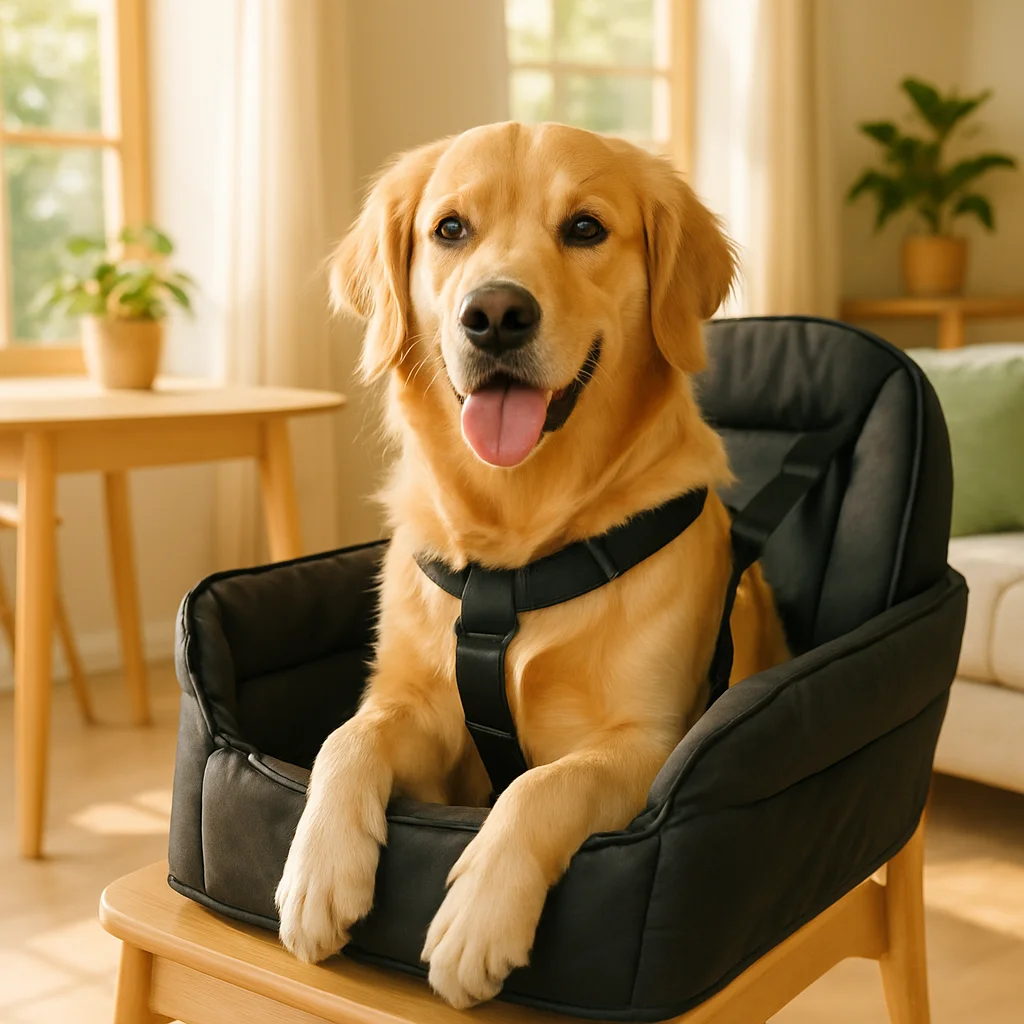
Pet Seat Belts
These are specially designed harnesses that attach to your car’s seatbelt. They keep your pet secure while allowing them some freedom to move around. Make sure to choose one that fits your pet comfortably.
Crates and Carriers
Cage-style carriers work well for safe car travel with pets, especially for smaller animals. Make sure the carrier is well-ventilated and properly secured in the vehicle. You can also use bungee cords or tie-down straps to prevent it from sliding around.
Pet Barriers
If you’re traveling with larger dogs, barriers can keep them confined to the back seat. However, ensure that your pet can still lie down comfortably.
3. Comfort and Ventilation are Key
Just like humans, pets can become uncomfortable in a hot car. It’s essential to maintain a comfortable temperature during your travels. Make sure your car is well-ventilated. Here are a few tips:
- Keep windows cracked for fresh air, but be cautious that your pet doesn’t jump out.
- Utilize sunshades to shield your pet from direct sunlight.
- Keep the air conditioning on if it’s warm outside.
Additionally, consider bringing along a pet seat cover. This can help keep your car clean while also providing your pet with a comfy place to sit. Regular stops for stretching, bathroom breaks, and hydration are also important. It’s recommended to stop every couple of hours.
4. Food and Water on the Go
Feeding your pet on the road can be tricky. It's best to stick to their regular feeding schedule as much as possible. If you’re traveling for a long period, consider bringing along some snacks. Here’s how you can manage feeding:
- Offer small meals before the trip to avoid motion sickness.
- Pack water bottles for hydration. A portable pet water bowl can make drinking easier.
- Avoid feeding your pet right before travel to minimize the risk of nausea.
When stopping for breaks, allow your pet to roam a little, but keep them on a leash to prevent any accidents.
5. Safety First: Emergency Preparedness
No one wants to think about emergencies, but being prepared can make a big difference. Ensure you have a pet first aid kit packed in your travel gear. This kit can include:
- Bandages
- Antiseptic wipes
- Emergency contact numbers
- A copy of your pet’s health records
Familiarize yourself with the locations of veterinary clinics or animal hospitals along your route. In case of any unforeseen circumstances, knowing where to go can save valuable time. Additionally, consider microchipping your pet or at least ensuring they are wearing identification tags with your current contact information.
6. Keeping Pets Calm During Travel
Traveling can be stressful for pets. If your furry friend is anxious in the car, here are some strategies to help them relax:
- Play calming music. Many pets respond well to soft melodies.
- Use pheromone sprays designed for pets, which can help soothe nerves.
- Provide comfort items like their favorite toy or blanket.
Desensitization is another effective method. Gradually introduce your pet to the car by allowing them to explore the vehicle while it’s parked. Take them on short drives, and reward calm behavior with treats. Over time, they’ll associate the car with positive experiences.
7. Fun Activities During Breaks
When you stop for breaks, it’s a great opportunity to bond with your pet. Here are some activities you can do:
- Short walks to stretch their legs.
- Play fetch if there’s enough space.
- Let them explore their surroundings while on a leash.
These activities not only help to keep your pet physically active but also mentally stimulated. It’s a good way to break up the monotony of a long drive and allows both you and your furry friend to recharge.
Conclusion: Enjoying the Journey Together
Safe car travel with pets doesn’t have to be a daunting task. With a little bit of preparation and the right gear, you can ensure that your furry friend has a comfortable and enjoyable journey. Remember to take breaks, keep them hydrated, and most importantly, enjoy the ride together. After all, every mile traveled is a new adventure waiting to unfold!