Birds are truly captivating companions, filled with unique personalities. As a pet owner, grasping bird behavior is vital, especially when considering the potential impact of parasites. These unwanted guests can disrupt your bird's happiness, leading to puzzling changes in behavior. You might notice feather plucking or odd sounds; these signs, although subtle, are significant. By understanding how parasites affect bird behavior, you can spot the early warning signs and address them swiftly, ensuring a healthier and happier life for your feathered friend.
Common Types of Parasites in Birds
When we think about parasites, we often picture fleas and ticks on dogs or cats. But birds are not exempt from these unwanted guests. There are several types of parasites that can affect our avian companions:
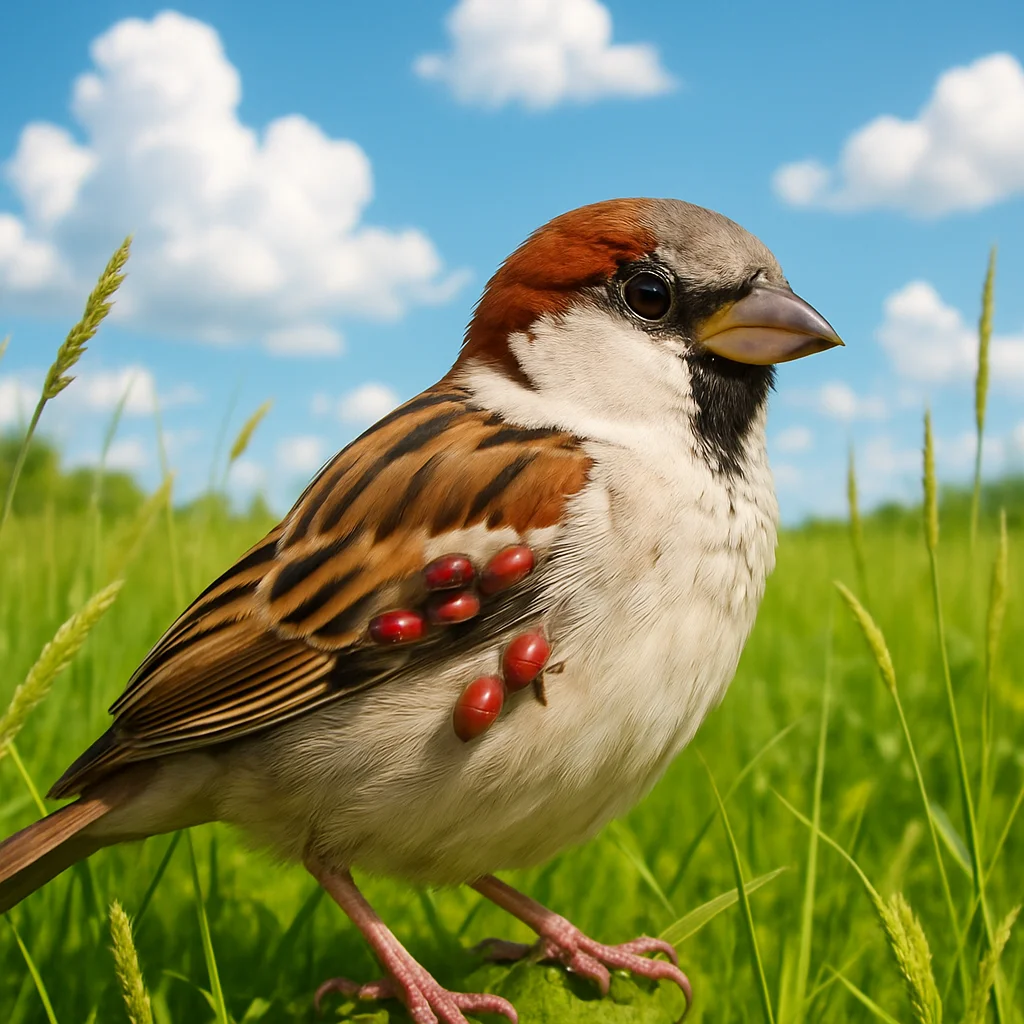
- External parasites: These include mites, lice, and fleas that live on your bird's skin or feathers. They can cause discomfort and lead to significant changes in behavior.
- Internal parasites: Coccidia, worms, and other internal parasites can disrupt your bird's digestive system, leading to lethargy and altered behavior.
- Fungal infections: Fungi can also affect birds, leading to respiratory issues and affecting their overall activity levels.
Each type of parasite has its unique characteristics and effects on your bird's behavior. For instance, external parasites might cause your bird to scratch excessively or become irritable, while internal parasites could lead to weight loss and lethargy. Being aware of these potential threats is the first step towards ensuring your bird's health.
Signs of Parasite Infestation
How do you know if your bird is suffering from a parasitic infestation? Here are some common signs to look for:
- Behavioral changes: Increased aggression, withdrawal, or excessive vocalization can indicate discomfort.
- Physical symptoms: Look for feather loss, scabs, or any abnormalities on the skin.
- Changes in eating habits: A decrease in appetite or unusual food preferences might signal health issues.
- Weight loss: Monitor your bird's weight regularly; sudden weight loss is a red flag.
If you notice any of these signs, it’s crucial to consult with an avian veterinarian. Early detection can make a significant difference in your bird's recovery.
The Impact of Parasites on Bird Behavior
Parasites can profoundly influence bird behavior in several ways:
- Increased stress levels: The presence of parasites often causes stress, leading to changes in normal behavior. Birds may become more reclusive or aggressive as they try to cope with their discomfort.
- Reduced social interaction: A bird suffering from parasites may withdraw from social activities, which can affect their mental health.
- Grooming behaviors: Birds may spend excessive time preening or scratching at infested areas, which can lead to feather damage and further behavioral issues.
Understanding these effects is vital. When you notice a shift in your bird's behavior, consider the possibility of parasites and seek help promptly.
Prevention Is Key
Preventing parasite infestations is far easier than treating them. Here are some practical tips to keep your bird safe:
- Regular vet check-ups: Schedule annual or biannual check-ups with an avian vet to catch any issues early.
- Maintain cleanliness: Keep your bird’s cage and environment spotless. Regular cleaning helps prevent the buildup of parasites.
- Quarantine new birds: If you introduce a new bird to your home, isolate them for a few weeks to ensure they aren't bringing any parasites along.
- Monitor diet: A balanced diet strengthens your bird’s immune system, making them less susceptible to parasites.
Implementing these strategies can significantly reduce the risk of parasite infestations.
Treatment Options for Infestations
If you suspect your bird has a parasite issue, it's essential to consult with your vet for a proper diagnosis and treatment plan. Common treatment options include:
- Acaricides: For external parasites like mites, your vet may prescribe topical or oral medications.
- Anthelmintics: For internal parasites, medications that target specific types of worms may be required.
- Supportive care: Ensure your bird stays hydrated and well-fed during treatment. Your vet may recommend additional supportive therapies.
Remember, never self-medicate your bird without professional guidance. The wrong treatment can do more harm than good. Always follow your vet’s advice for the best outcome.
Recognizing Behavioral Changes Post-Treatment
After treatment for parasites, you may notice some changes in your bird’s behavior. It’s normal for them to be a bit off initially as they recover. However, here are some signs that they are returning to their normal selves:
- Increased activity: A more energetic bird is usually a sign of recovery.
- Normal grooming: Once the irritation subsides, your bird should resume normal grooming habits.
- Curiosity: A healthy bird will be more curious and eager to interact with you.
Be patient and give your bird time to adjust. They’ve been through a lot, and your support will help them bounce back.
Conclusion
Understanding bird behavior, especially in relation to parasites and their effects, is crucial for any bird owner. By being vigilant and proactive, you can help your feathered friends live healthier, happier lives. Keep an eye out for signs of distress, prioritize prevention, and seek prompt veterinary care when needed. Your bird relies on you, and your awareness can make all the difference in their well-being.