Caring for your tortoise means prioritizing a healthy diet above all else. Many pet owners unknowingly make feeding errors that can lead to serious health problems. Choosing the wrong foods or feeding at the wrong times can hinder your tortoise's growth and well-being. Tortoises have unique dietary requirements, and being aware of these can greatly enhance their health. We'll dive into common feeding mistakes and share healthy diet tips that will help ensure your tortoise leads a long and happy life. Whether you're new to tortoise ownership or a seasoned caregiver, these insights are vital for your pet's health.
Understanding Tortoise Dietary Needs
Tortoises are herbivores, which means their diet primarily consists of plant material. However, not all plants are safe for your tortoise. Understanding the specific needs of your tortoise species is crucial for creating a balanced diet. For example, some tortoises thrive on high-fiber grasses, while others benefit from leafy greens. A general rule of thumb is to provide a variety of foods to ensure they receive all necessary nutrients.
Additionally, tortoises need calcium and vitamin D3 to maintain strong bones. Many owners overlook this aspect of their tortoise's diet, which can lead to metabolic bone disease, a serious condition. Incorporating calcium-rich foods, like dark leafy greens and certain fruits, alongside proper UV lighting will help prevent this issue.
Common Tortoise Feeding Mistakes
Even the most dedicated owners can make mistakes when it comes to tortoise feeding. Here are some of the most common feeding mistakes:
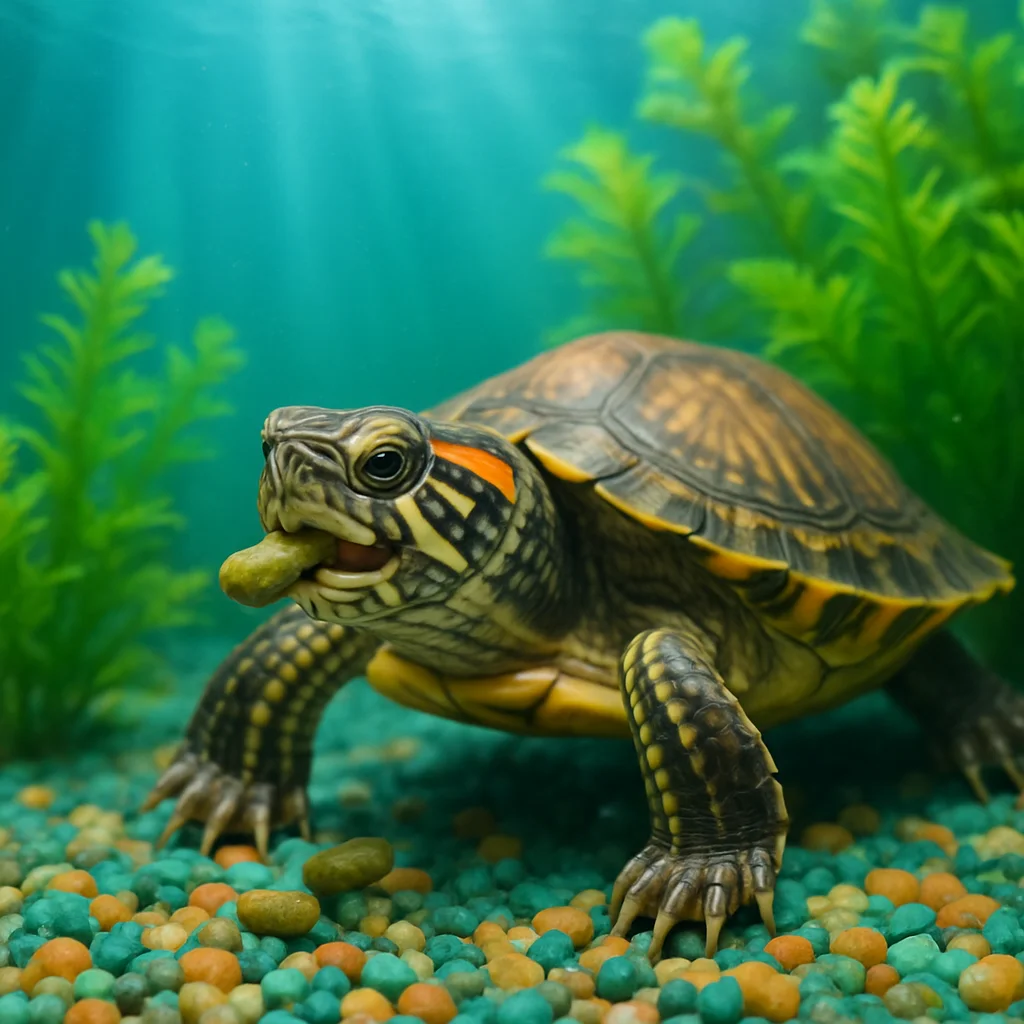
- Over-reliance on Commercial Diets: While commercial tortoise foods can be convenient, they often lack the variety and nutrients found in fresh foods. They should only be a small part of your tortoise’s diet.
- Too Much Protein: Tortoises don’t need a protein-heavy diet. Foods like high-protein pellets or animal proteins can lead to kidney issues and other health problems.
- Ignoring Fresh Vegetables: Fresh vegetables are vital for tortoise health. Neglecting them in favor of dried or processed options is a big mistake.
- Feeding Inconsistently: Tortoises thrive on routine. Irregular feeding schedules can disrupt their digestion and overall health.
- Not Knowing Toxic Plants: Some common plants, like azaleas or oleander, are toxic to tortoises. Always research before introducing new plants into their diet.
Healthy Diet Recommendations for Tortoises
Now that we've covered some common feeding mistakes, let's look at how to create a healthy diet for your tortoise. Here are some recommendations:
- Leafy Greens: Offer a mix of dark, leafy greens such as collard greens, dandelion greens, and kale. These are high in calcium and fiber.
- Flowers and Weeds: Dandelions, clover, and hibiscus flowers are great for variety and nutrition. They also offer natural enrichment.
- Grasses and Hay: Incorporate grass hay like timothy hay or orchard grass to provide necessary fiber.
- Occasional Fruits: While fruits can be high in sugar, offering small amounts of fruits like strawberries or apples can be a treat. Just do so sparingly.
- Calcium Supplements: Use calcium powder to dust their food a few times a week, especially if they are not getting enough from their diet.
- Hydration: Always provide fresh water. Some tortoises also enjoy soaking in shallow water to stay hydrated.
How to Introduce New Foods
Changing your tortoise's diet can be tricky, but it’s often necessary for their health. Here’s a simple step-by-step guide:
- Start Slow: Introduce one new food at a time to monitor how your tortoise reacts.
- Observe: Watch for any signs of distress or refusal to eat. If they dislike it, try something else.
- Mix Old with New: Combine the new food with their favorite to make it more appealing.
- Consistency is Key: Once they accept the new food, incorporate it regularly into their diet.
Signs of a Poor Diet
Being aware of your tortoise's health is vital. Here are some signs that your tortoise might be suffering from a poor diet:
- Soft Shell: A soft or deformed shell can indicate a calcium deficiency.
- Weight Loss: If your tortoise is losing weight, it might not be getting enough nutrients.
- Weakness or Lethargy: A lack of energy can be a sign of improper nutrition.
- Constipation: Infrequent bowel movements may indicate a lack of fiber in their diet.
Conclusion: Keeping Your Tortoise Healthy
Feeding a tortoise might seem daunting at first, but with the right knowledge and care, it can be a fulfilling experience. Avoid common tortoise feeding mistakes by focusing on a balanced diet rich in variety. Always listen to your tortoise's needs, adjust their diet when necessary, and keep an eye out for any health signs. By following these healthy diet recommendations, you’ll ensure your tortoise stays happy and healthy for years to come. Remember, a well-fed tortoise is a thriving tortoise!