Dog aggression can be a real concern for pet owners. When your furry friend shows aggression, it’s not just confusing—it can be alarming. This behavior often arises from fear, lack of socialization, or feeling threatened. Recognizing the reasons behind this aggression is crucial for creating a safe environment for everyone. If your dog is acting aggressively towards other dogs, people, or even inanimate objects, knowing how to train them effectively can lead to positive changes. Let’s explore the factors that contribute to aggression and the training strategies that can make a difference.
Common Causes of Dog Aggression
Understanding the root causes of aggression can be the first step in addressing the issue. Here are some common factors:
- Fear: Many dogs display aggression out of fear. This can stem from past trauma or lack of exposure to different environments. A fearful dog might react aggressively as a way to protect themselves.
- Territorial Behavior: Dogs are naturally protective of their space. If they perceive a threat to their territory, such as another dog entering their yard, they might react aggressively.
- Resource Guarding: Some dogs become aggressive when they feel their food, toys, or even owners are threatened. This behavior often stems from instinct and can be addressed through training.
- Frustration: Dogs can also show aggression when they are frustrated or overly excited. This is often seen in dogs that are on a leash and see another dog or person but cannot reach them.
- Socialization Issues: Lack of proper socialization during puppyhood can lead to aggressive behaviors as the dog matures. Dogs that haven’t been exposed to various people, pets, and environments may react aggressively out of uncertainty.
Recognizing Aggressive Behavior
Being able to recognize the signs of aggression is crucial for dog owners. Some signs that your dog may be feeling aggressive include:
- Growling or barking excessively
- Showing teeth or snapping
- Stiff body posture
- Raising hackles on their back
- Direct eye contact or staring
If you notice any of these behaviors, it’s essential to take action before the situation escalates. Early intervention can prevent serious incidents and help your dog learn more appropriate responses.
Training Techniques to Manage Aggression
Once you understand the causes, it’s time to focus on training. Here are some effective methods to help manage your dog's aggression:
Positive Reinforcement
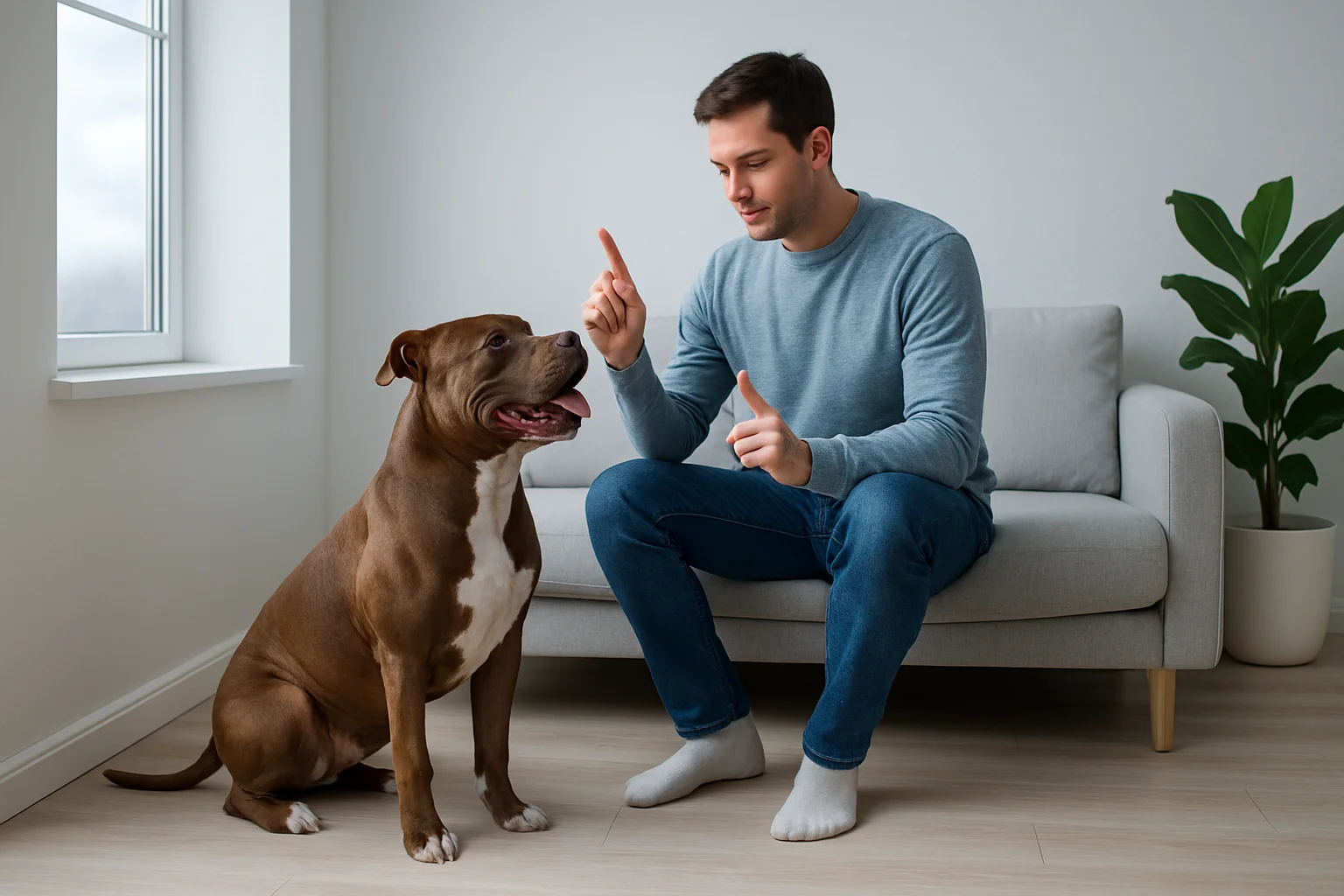
Using positive reinforcement is one of the most effective training techniques. Reward your dog with treats, praise, or playtime when they display calm behavior, especially around triggers. This encourages them to associate positive experiences with situations that previously caused aggression.

Desensitization
Desensitization involves gradually exposing your dog to their triggers at a distance where they feel safe. Start slowly, allowing them to observe without reacting. Over time, you can decrease the distance, rewarding calm behavior along the way.
Counter-Conditioning
Counter-conditioning is about changing your dog’s emotional response to a trigger. For example, if your dog is aggressive towards other dogs, provide treats when they see another dog, creating a positive association. This takes time and patience but can yield fantastic results.
Professional Help
If your dog’s aggression feels beyond your control, seeking professional help is a wise decision. Certified dog trainers or behaviorists can provide tailored strategies for your specific situation, ensuring a safe and effective approach.
Maintaining a Safe Environment
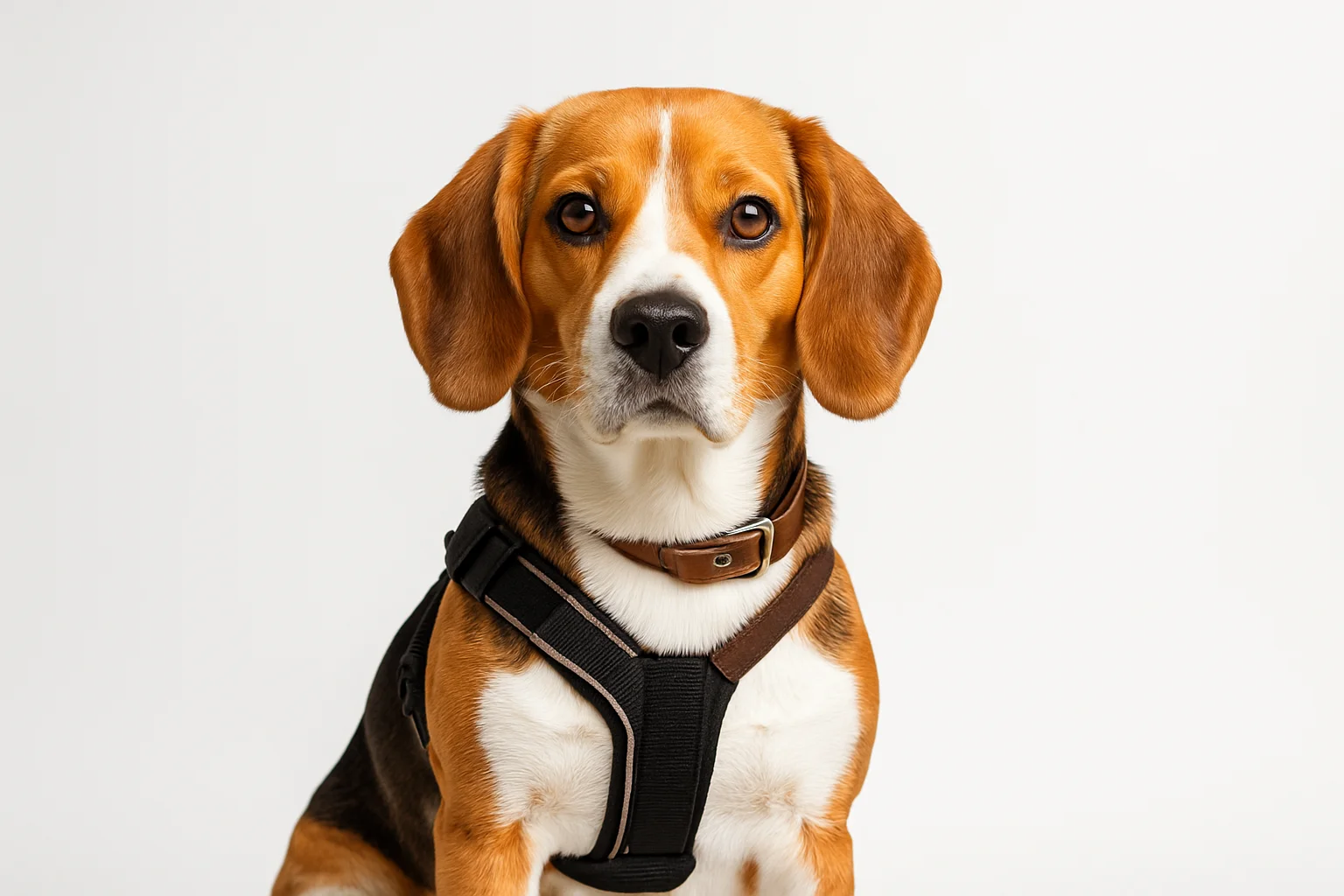
While you work on training, it’s essential to maintain a safe environment. Use a muzzle during walks if necessary, and always keep your dog on a leash. Ensure that your space is secure and that visitors understand your dog's triggers. This proactive approach can help prevent incidents and keep everyone safe.
Conclusion
Understanding dog aggression causes and training is an ongoing process. By recognizing the signs and addressing the root causes, you can help your furry friend become a well-adjusted member of your family. Remember, patience and consistency are key. With the right training techniques and perhaps professional guidance, you can turn aggressive behaviors into positive interactions. Your dog deserves to feel safe and loved, and so do you.