Seeing our dogs age can evoke a mix of emotions. They've been our steadfast companions, and now it's our duty to care for them as they grow older. Age-related problems, like joint issues and cognitive decline, are unfortunately common. But there’s hope! Proactive measures can significantly improve their quality of life. By tuning into their needs, we can ensure they enjoy their later years without the discomforts that aging can bring. Let’s dive into practical strategies that will keep our dogs happy and healthy as they advance into their senior years.
Understanding Age-Related Issues in Dogs
Before we dive into preventative measures, let’s take a moment to understand what age-related issues are common in dogs. As they age, dogs may face a range of problems, including:
- Arthritis and joint pain
- Dental issues
- Vision and hearing loss
- Cognitive dysfunction syndrome (CDS)
- Heart disease
- Obesity
Each of these issues can significantly affect your dog's quality of life, making it crucial to implement strategies that prevent or minimize these problems. For instance, arthritis can lead to reduced mobility and pain, while cognitive dysfunction can result in confusion and anxiety. By recognizing these potential issues early, we can take steps to mitigate their impact.
Nutrition: The Foundation of Health
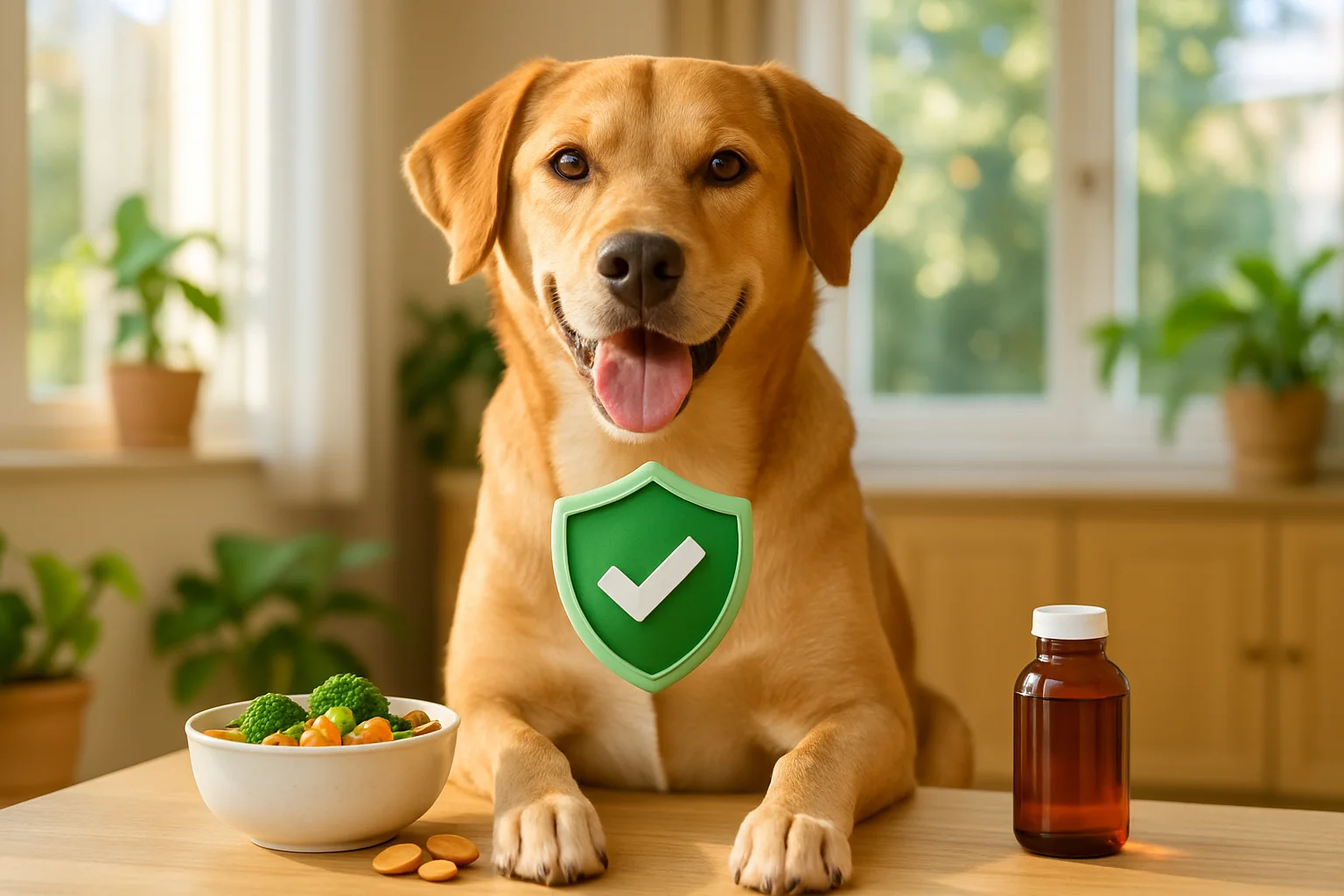
One of the most effective strategies to prevent age-related issues in dogs is focusing on their nutrition. A balanced diet is vital for maintaining your dog's health as they age. Here are some tips for optimizing your dog’s diet:
- Choose high-quality dog food: Look for brands that use real meat as the first ingredient and avoid fillers like corn or soy.
- Consider age-specific formulas: Many dog food brands offer formulas specifically designed for senior dogs that include essential nutrients.
- Incorporate joint-supporting supplements: Ingredients like glucosamine and chondroitin can help maintain joint health and mobility.
- Monitor weight: Obesity can exacerbate many age-related issues, so keep your dog at a healthy weight through portion control and exercise.
Regularly consult with your veterinarian to ensure you’re providing the best nutrition for your aging dog. They can recommend specific diets and supplements tailored to your dog’s individual needs.
Regular Veterinary Check-Ups
Preventative care is essential in keeping your dog healthy as they age. Regular veterinary check-ups can help catch any potential health issues before they become serious. Here’s what to keep in mind:
- Annual exams: Schedule yearly wellness exams for your senior dog. Your vet will perform a thorough check-up and may recommend blood tests to assess organ function.
- Dental care: Dental health is often overlooked but is crucial for overall well-being. Regular dental cleanings can prevent periodontal disease, which can lead to more severe health issues.
- Vaccinations: Ensure your dog’s vaccinations are up-to-date. Older dogs may have weakened immune systems and need to stay protected.
By staying on top of your dog's health, you can proactively address any issues that arise and keep them comfortable and happy.
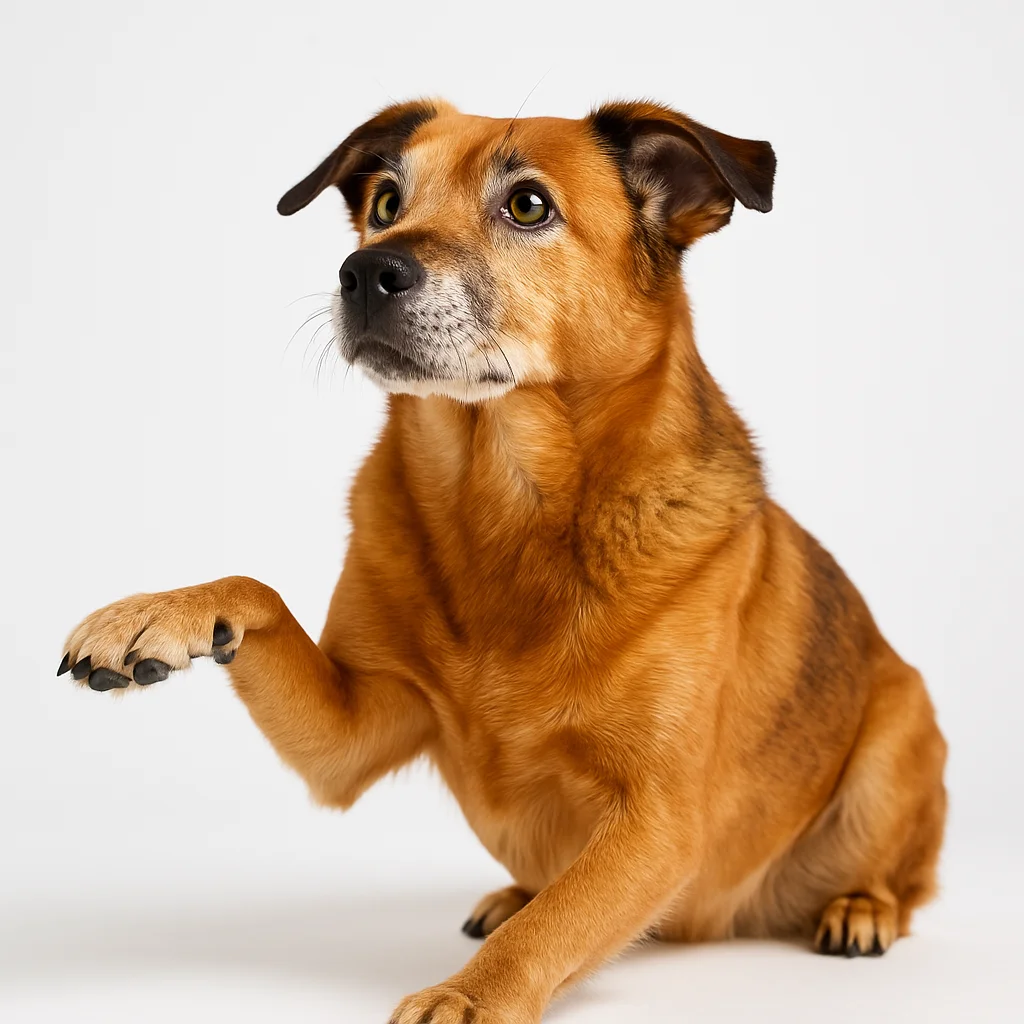
Physical Activity: Keep Them Moving
One of the best strategies to prevent age-related issues in dogs is to keep them active. Regular exercise helps maintain healthy weight, builds muscle, and keeps joints flexible. Here are some exercise ideas for aging dogs:
- Short, regular walks: Instead of long, strenuous hikes, opt for shorter, more frequent walks to accommodate your dog’s stamina.
- Gentle playtime: Engage in gentle games like fetch or tug-of-war, keeping the intensity low to protect their joints.
- Swimming: If your dog enjoys water, swimming can be an excellent low-impact exercise that is easy on the joints.
Remember to monitor your dog during exercise and adjust activities according to their energy levels and physical capabilities. Regular movement keeps their muscles strong and helps prevent obesity.
Mental Stimulation: Keeping Their Minds Sharp
Just like physical health, mental health is crucial for dogs, especially as they age. Strategies to prevent age-related issues in dogs should include activities that stimulate their minds. Here are some fun ways to keep your dog mentally engaged:
- Interactive toys: Puzzle toys that dispense treats can challenge your dog and keep them entertained.
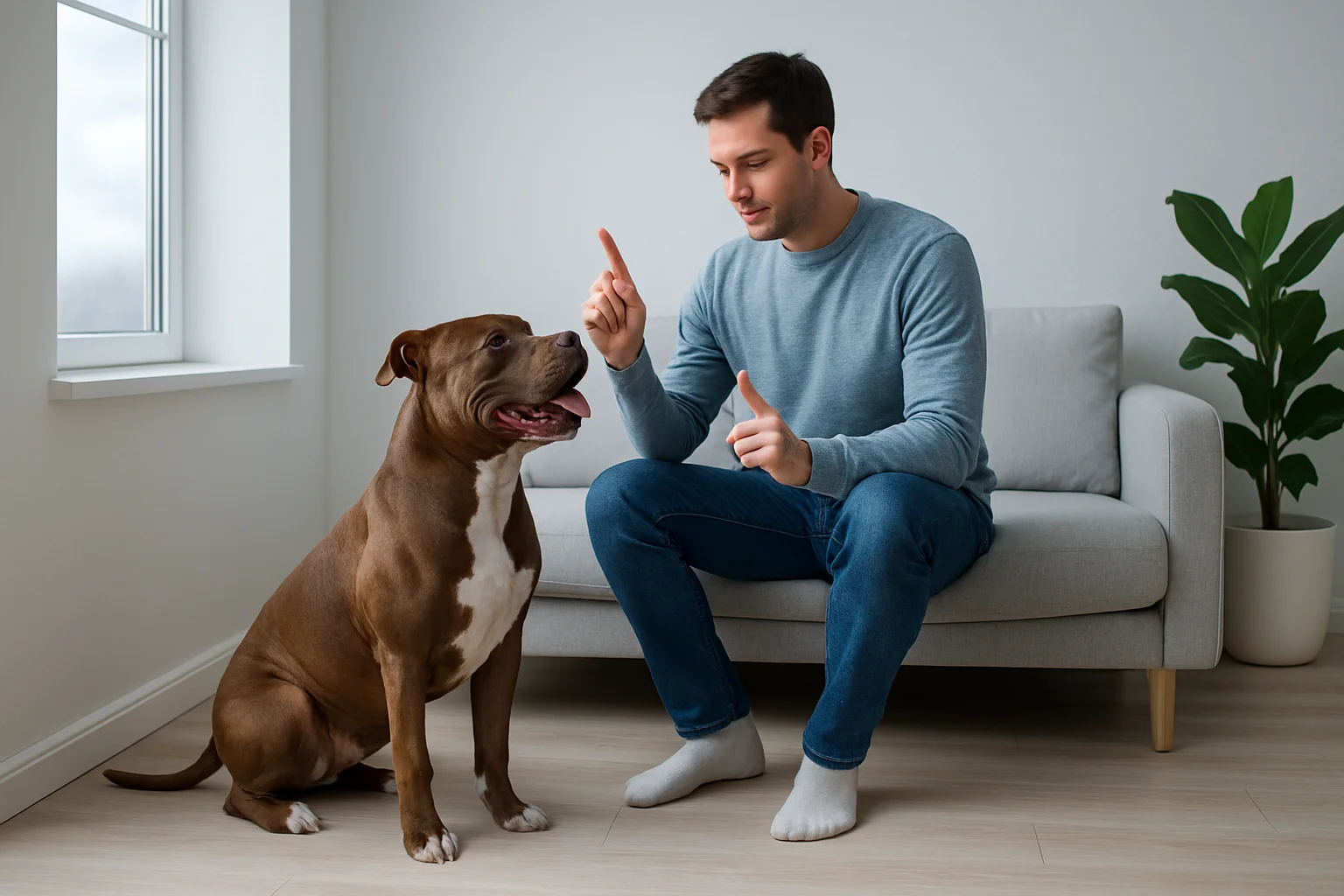
- Training sessions: Regular training sessions not only reinforce good behavior but also provide mental stimulation. Consider teaching your dog new tricks or commands.
- Socialization: Regular interactions with other dogs and people can help keep your dog socially engaged and reduce feelings of anxiety.
A stimulated mind can help delay cognitive decline, making it essential to incorporate these activities into your dog’s routine.
Creating a Comfortable Living Environment
As your dog ages, their comfort becomes a top priority. A well-thought-out living environment can help manage age-related issues. Here are some tips:
- Provide soft bedding: Invest in orthopedic beds that support aching joints.
- Maintain a consistent temperature: Older dogs are more sensitive to heat and cold, so keep their environment comfortable.
- Reduce hazards: Clear away clutter and create a safe space for your dog to move around without tripping hazards.
By making these simple changes, you can create a sanctuary where your dog feels secure and comfortable.
Conclusion: Aging Gracefully Together
Keeping our dogs healthy and happy as they age is a shared journey. By implementing effective strategies to prevent age-related issues in dogs, we can ensure they enjoy their golden years with joy and comfort. Prioritize their nutrition, maintain regular vet visits, engage them in physical and mental activities, and create a cozy environment for them. Remember, your dog has been there for you through thick and thin, and now it’s time to return the favor. With love, attention, and a little effort, we can help our furry companions age gracefully.