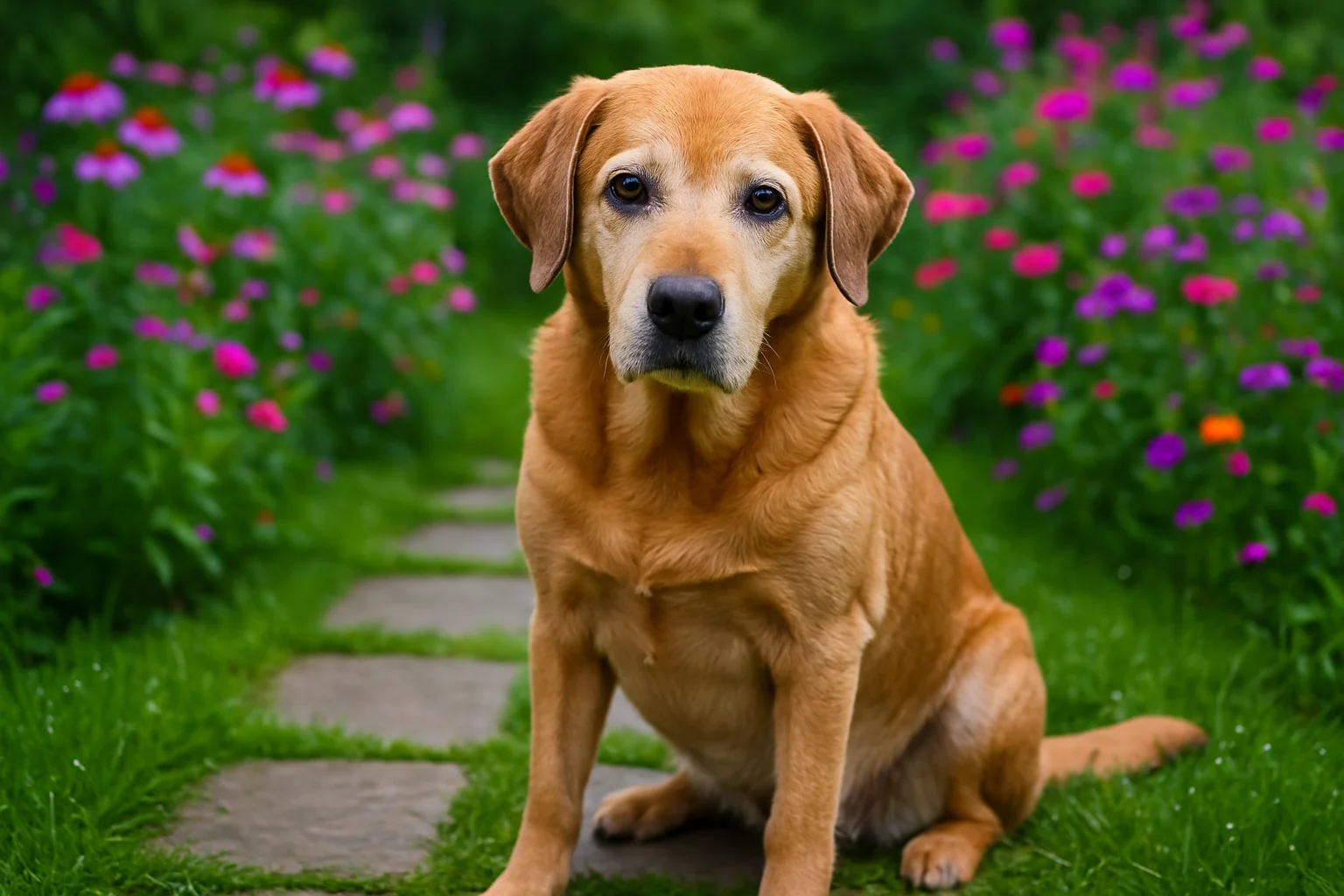
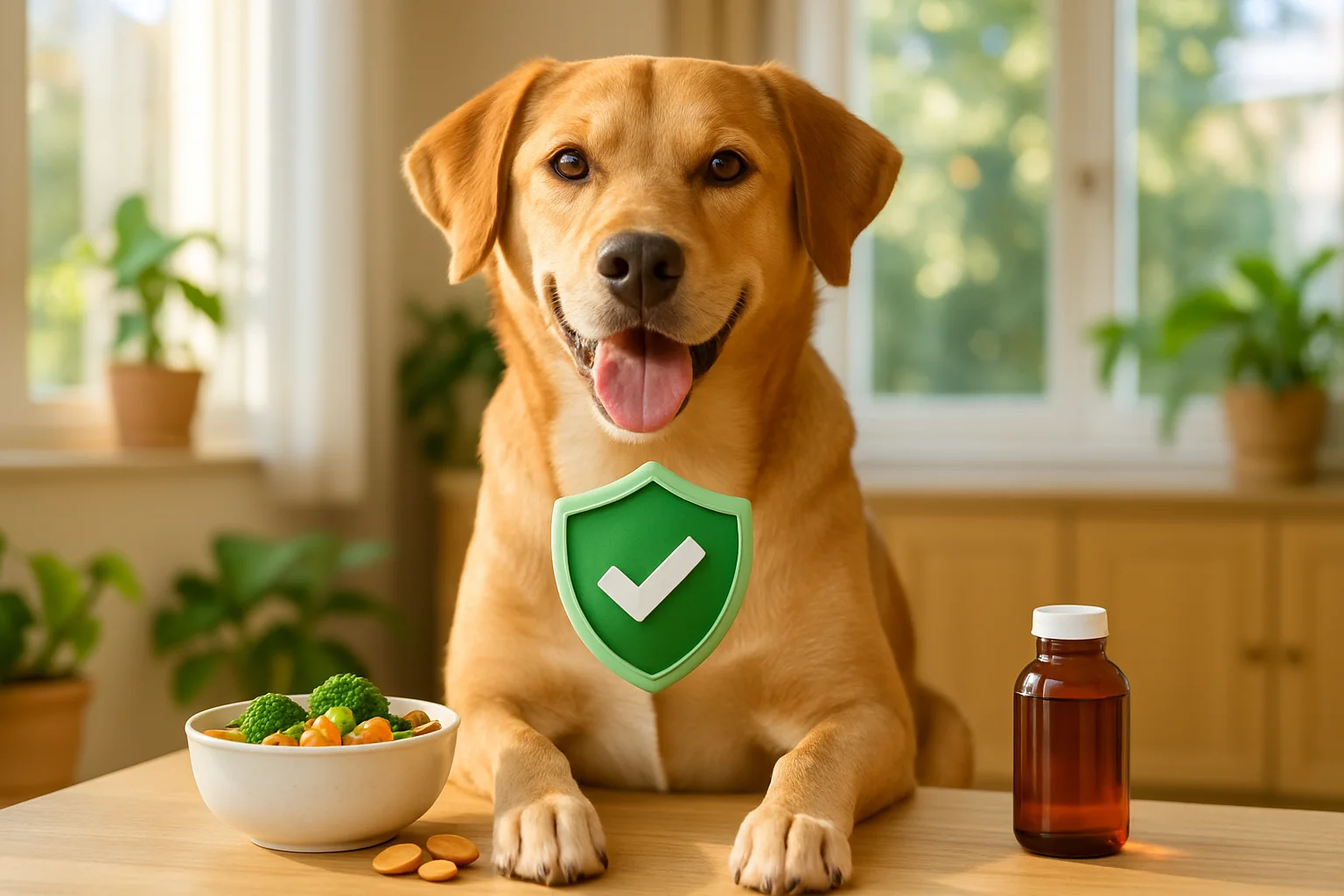
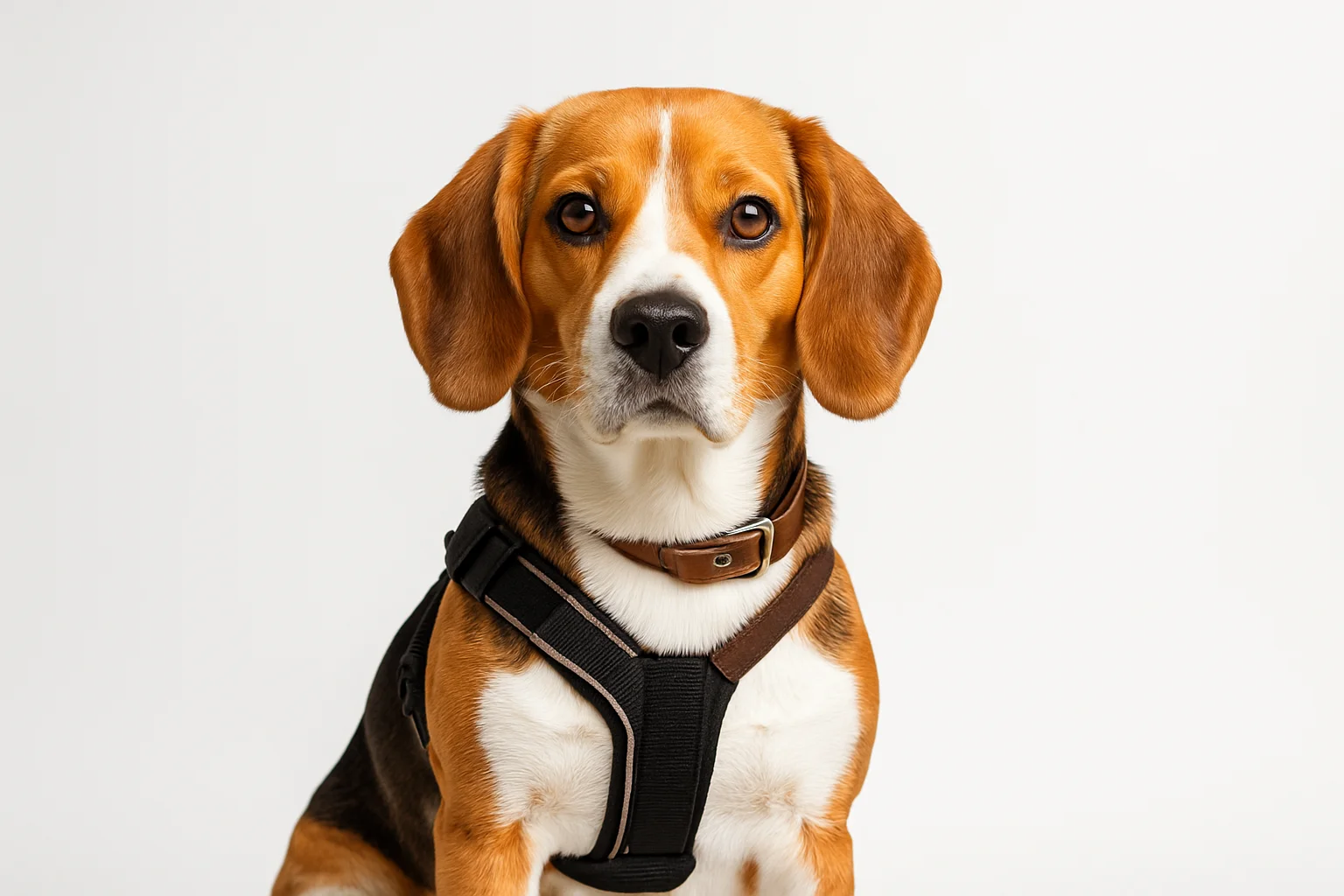
Have you ever noticed your dog's nose changing from wet to dry during the day? It can even feel warmer at times, leaving many pet owners wondering if a dry nose is a sign of illness. It’s natural to worry about your furry friend’s health. While a dog's nose is often seen as an indicator of their well-being, a dry nose can arise from various factors, some of which aren't alarming. Knowing what’s normal for your dog is key to keeping them healthy. Let’s dive into the reasons behind a dry nose and figure out when it’s time to seek help. Your pup’s health is what matters most!
Understanding Your Dog's Nose
Your dog’s nose plays a vital role in their health and behavior. A wet nose usually signifies hydration and good health, while a dry nose can sometimes cause concern. But what does it really mean? The moisture level of your dog's nose can fluctuate due to environmental factors, play, or even their emotional state. For instance, excitement or vigorous play can lead to a dry nose, while a calm resting state may return it to a wetter condition.
Normal Variations
It’s essential to recognize that every dog is different. Some breeds naturally have drier noses than others. For example, Bulldogs and Boxers often have a drier, warmer nose compared to a Beagle or a Labrador Retriever. Additionally, factors like the weather can play a significant role. On hot or windy days, your pup’s nose might dry out. In contrast, a cool, damp day might leave it feeling moist. So, is a dog’s dry nose always a sign of illness? Not necessarily. It’s essential to observe the changes and consider the context.
Common Causes of a Dry Nose
There are many reasons why your dog may have a dry nose. Some of them are benign, while others may require your attention. Here’s a list of common causes:
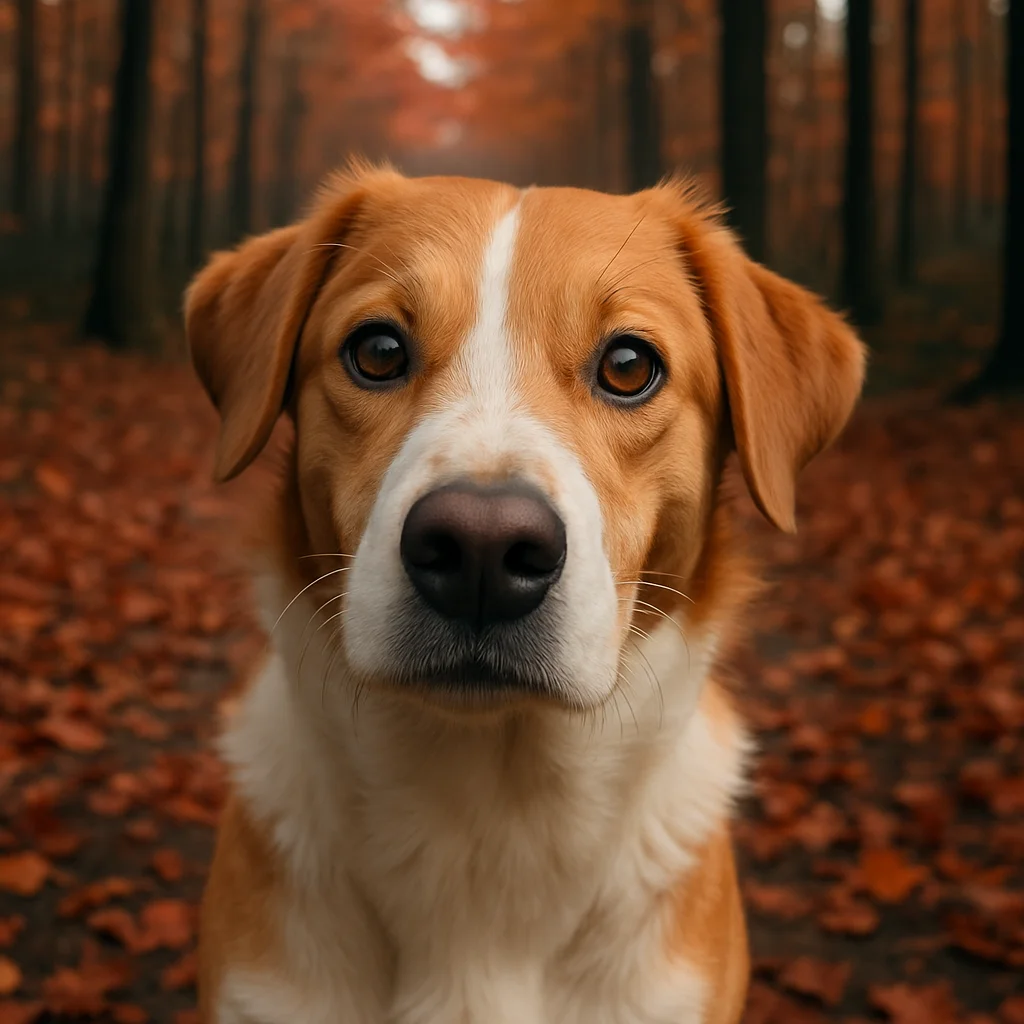
- Dehydration: If your dog isn’t drinking enough water, their nose can dry out. Make sure your pup always has access to fresh water.
- Weather Conditions: Hot, sunny days or cold, windy conditions can result in a dry nose.
- Allergies: Dogs can suffer from allergies just like humans. Dust, pollen, and certain foods can trigger a dry nose.
- Age: Older dogs may naturally experience drier skin and noses.
- Skin Conditions: Certain skin issues, like dermatitis or fungal infections, can lead to a dry or cracked nose.
- Medication: Some medications may lead to dryness as a side effect.
- Infections: Bacterial or viral infections can also result in a dry nose, but they often come with other symptoms.
When to Worry
While a dry nose by itself isn’t typically a cause for alarm, there are specific signs that require veterinary attention. Here are some indicators to watch for:
- Persistent Dryness: If your dog’s nose remains dry for an extended period, it might be worth consulting a vet.
- Cracks or sores: Dry, cracked skin can lead to infections and should be examined.
- Behavior Changes: If your dog is lethargic, refuses to eat, or shows signs of pain, it’s time for a vet visit.
- Other Symptoms: If a dry nose is coupled with fever, vomiting, or diarrhea, seek help immediately.
How to Care for a Dry Nose
If you notice your dog's nose is particularly dry, there are several steps you can take to help soothe it. Here’s a practical guide:
- Provide Fresh Water: Ensure your dog is well-hydrated by providing constant access to clean water.
- Humidifier: If your home is dry, consider using a humidifier to add moisture to the air.
- Consult Your Vet: If the dryness persists, schedule a vet appointment to rule out any underlying health issues.
- Apply Natural Remedies: Some pet owners find success using coconut oil or specially formulated dog nose balms. Always check with your vet before trying new products.
- Monitor for Changes: Keep an eye on your dog's behavior and overall health. If you notice changes, consult your vet promptly.
Prevention is Key
Preventing a dry nose is often about maintaining overall health. Regular check-ups with your vet can help catch any issues before they become serious. Additionally, ensure your dog has a balanced diet, plenty of exercise, and proper hydration. If you live in an area with extreme weather conditions, consider protective measures like doggy jackets or paw balm for outdoor adventures.
Conclusion
In summary, while a dog’s dry nose can sometimes be a sign of illness, it’s not always a cause for concern. Understanding the context is crucial. Keep an eye on your pup’s overall health, monitor any changes, and seek veterinary advice if needed. By taking these steps, you can ensure your canine friend stays healthy and happy!