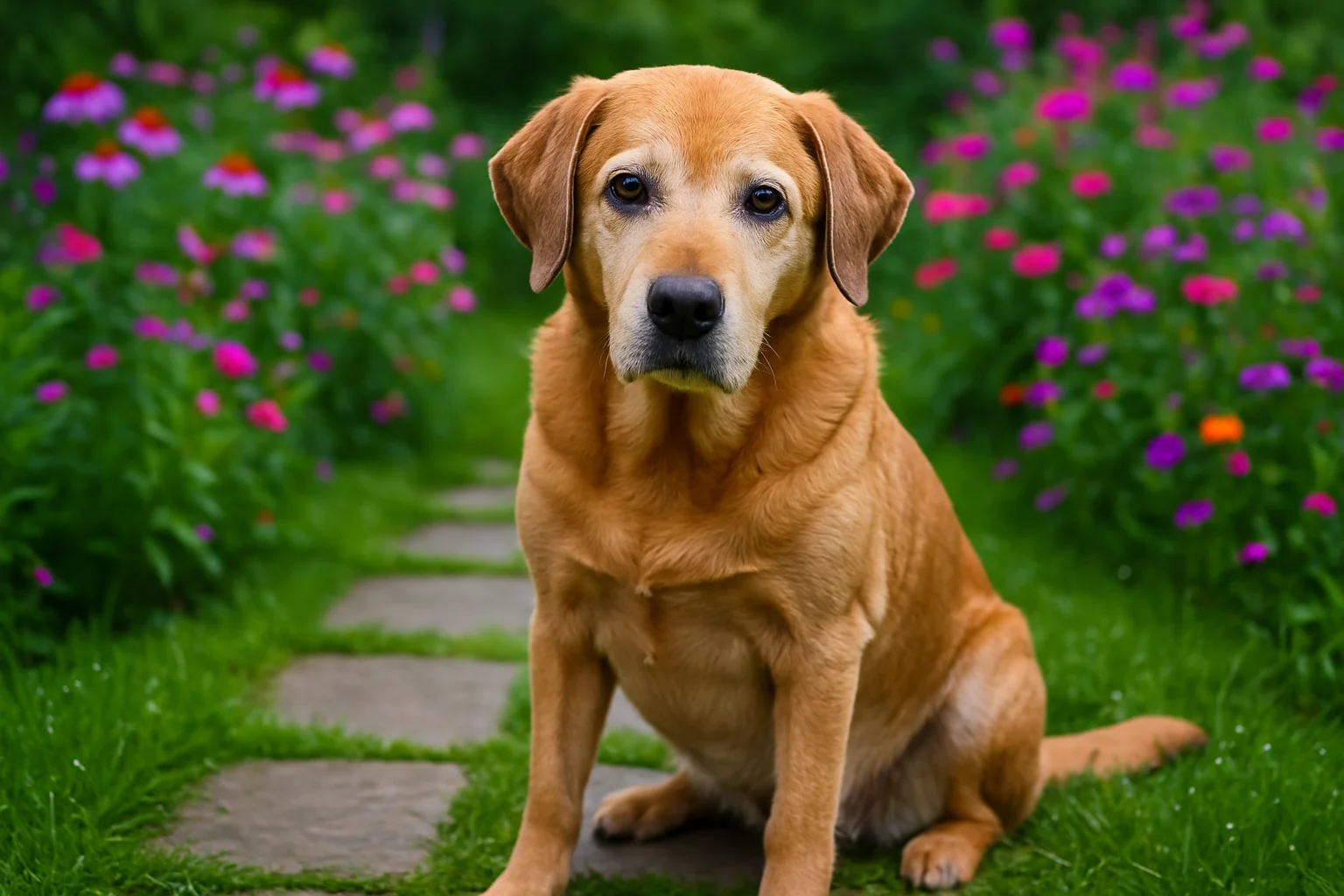
Dogs can feel overwhelmed just like we do. Their behavior often reveals their inner world. Have you seen your dog hiding, barking excessively, or acting destructively? These behaviors might indicate stress. Pinpointing what causes your dog's anxiety is vital for improving their well-being. Dogs are sensitive to changes in their environment and our emotional states, which makes it essential to find ways to ease their stress. With a little effort and these helpful tips, you can create a more relaxed atmosphere for your furry friend. Let’s explore some effective strategies!
Identify the Causes of Stress
The first step in reducing stress in dogs is to identify what’s causing it. Common stress triggers include:
- Changes in the environment (moving homes, new family members)
- Loud noises (thunder, fireworks)
- Separation anxiety
- Overstimulation (too many people or pets around)
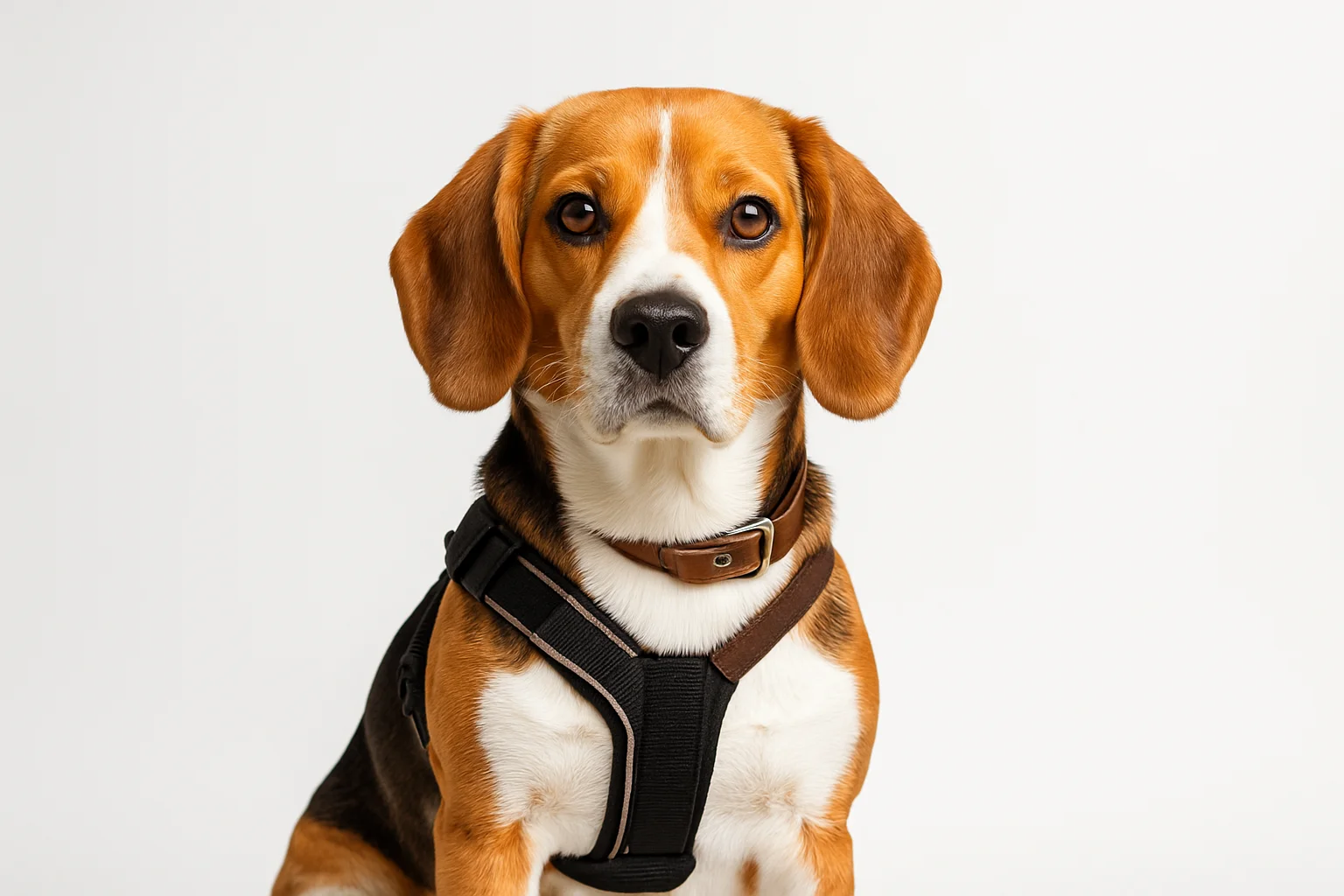
Once you pinpoint what’s upsetting your furry friend, you can take action to address it. For instance, if your dog is scared of thunder, investing in a thunder shirt or creating a safe space can help them feel more secure.
Create a Calm Environment
Your home should be a sanctuary for your dog. Make it a place where they can relax and feel safe. Here are some ideas:
- Designate a quiet area: A cozy bed or crate in a low-traffic area can become your dog's safe haven.
- Use calming scents: Essential oils like lavender can have a soothing effect. Just make sure they’re safe for pets!
- Control noise levels: Use white noise machines or calming music to drown out loud sounds.
Creating a serene space for your dog can make a world of difference in their stress levels.
Routine and Exercise
Dogs thrive on routine. Establishing a consistent schedule for feeding, walks, and playtime can help your pup feel more secure. Regular exercise is also crucial. A tired dog is a happy dog! Daily walks, play sessions, and mental stimulation through puzzle toys can significantly reduce stress. Consider these activities:
- Long walks in the park
- Interactive games like fetch or tug-of-war
- Enrichment toys that challenge their brains
Not only does exercise help lower stress, but it also strengthens your bond with your dog.
Training and Socialization
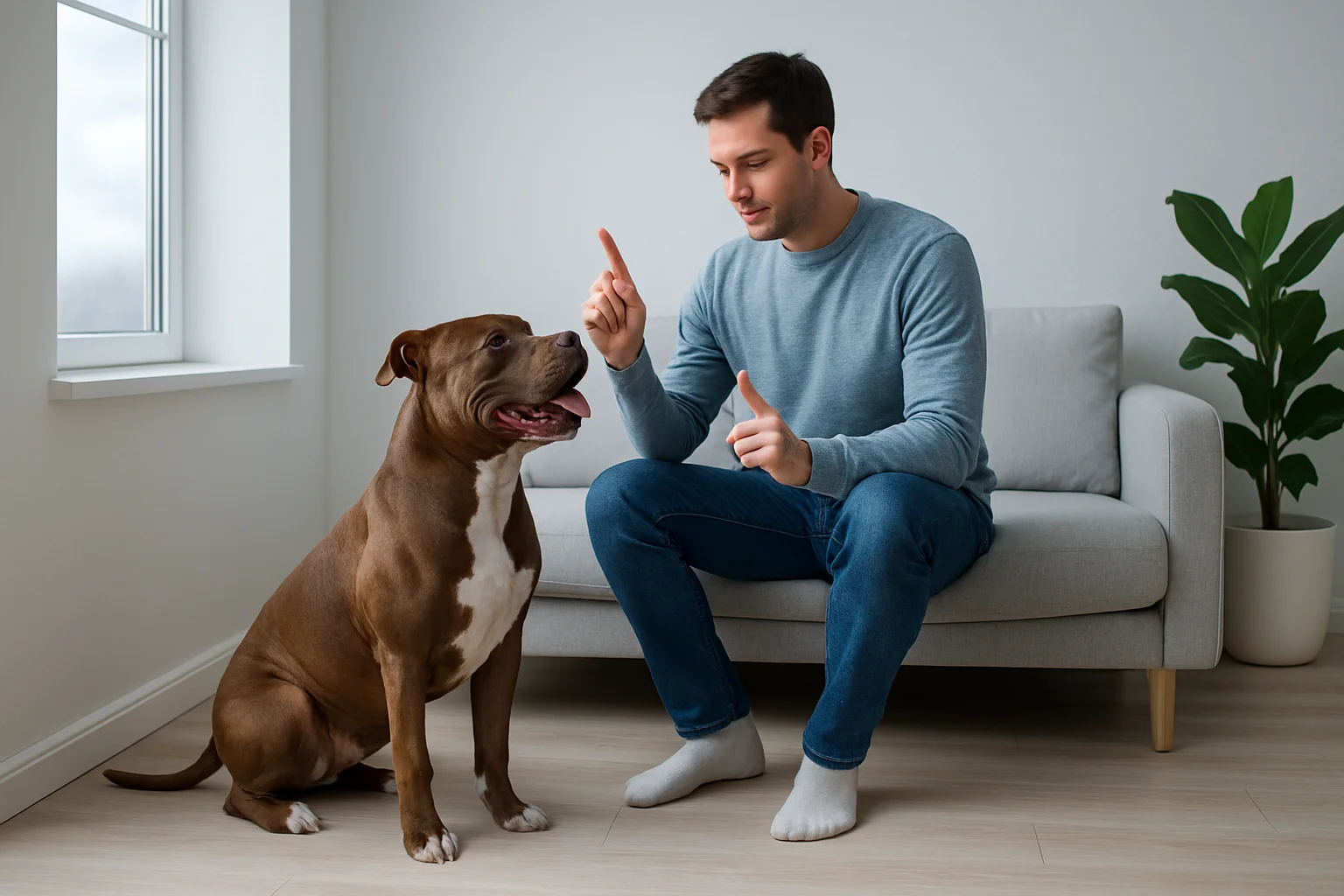
Training your dog can alleviate stress by boosting their confidence. Basic obedience training helps them understand expectations, which can reduce anxiety. Additionally, socializing your dog with other friendly pets and people can help them learn to cope with new situations. Remember to:
- Introduce your dog to new environments gradually.
- Reward calm behavior with treats and praise.
- Join a local dog training class for guidance.
With time and patience, your dog will become more adaptable and less stressed in various situations.
Consider Professional Help
Sometimes, despite our best efforts, stress in dogs can be overwhelming. If your dog is showing signs of severe anxiety or stress that you can’t manage, don’t hesitate to seek professional help. A veterinarian or a certified dog trainer can provide valuable insights and may suggest behavioral therapy or even medications to help your dog relax. Remember, there’s no shame in reaching out for help when your furry friend is suffering.
Natural Remedies and Supplements
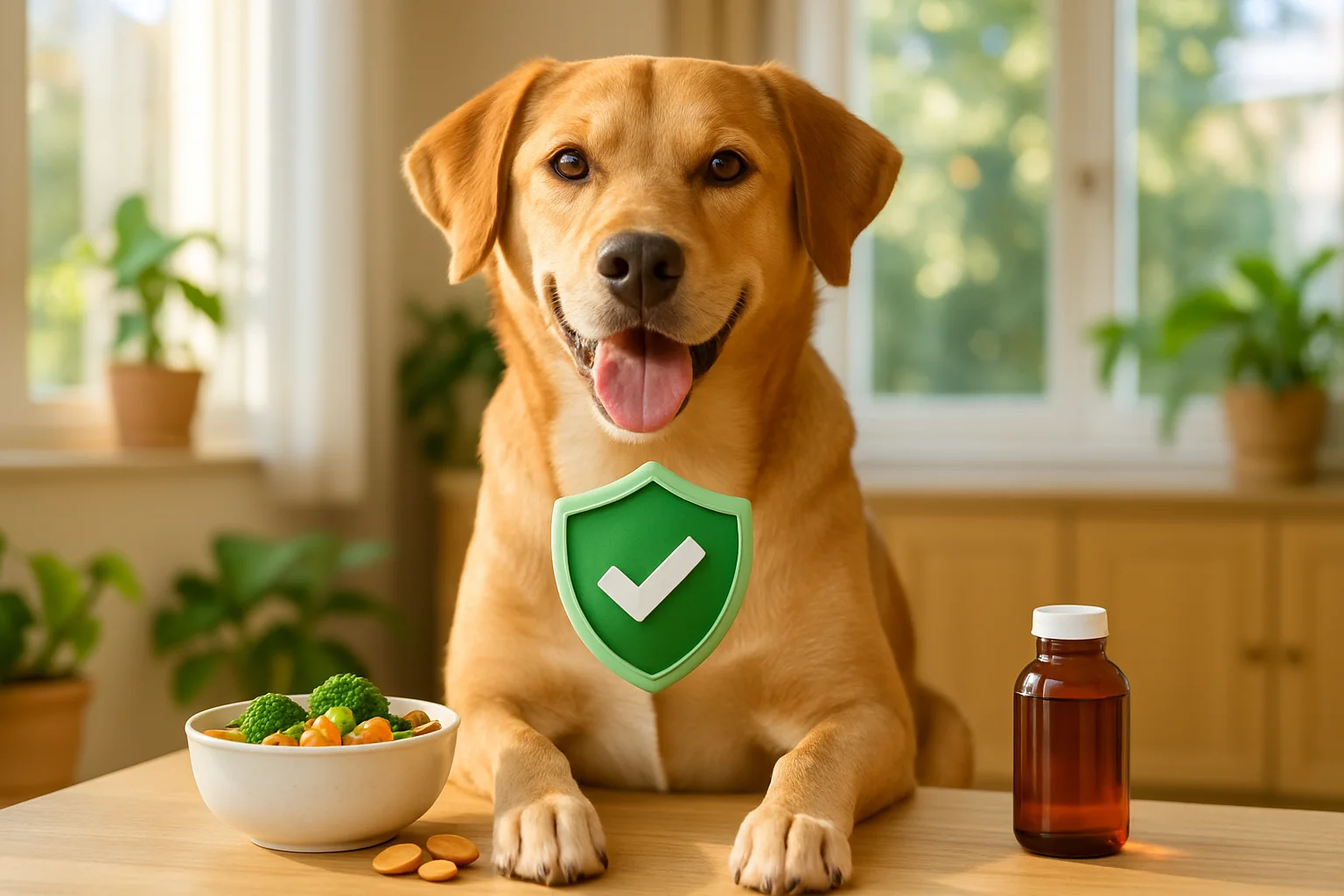
Many pet owners have found success with natural remedies to help calm their dogs. Some popular options include:
- CBD oil: Many pet owners report improved relaxation and reduced anxiety in their dogs.
- Herbal calming supplements: Ingredients like chamomile and valerian root can help soothe stressed dogs.
- Calming treats: Available at pet stores, these treats often contain natural ingredients that promote relaxation.
Always consult your vet before introducing new supplements into your dog's routine to ensure they are safe and appropriate for your specific pet.
Conclusion
Helping your dog cope with stress is a journey filled with love and patience. By identifying stress triggers, creating a calm environment, maintaining a routine, and providing proper training, you can significantly reduce your dog’s anxiety. Remember, effective techniques and ways to reduce stress in dogs vary for each pup. Pay attention to their unique needs and don’t hesitate to seek professional help if needed. Together, you can create a peaceful and happy life for your furry companion.