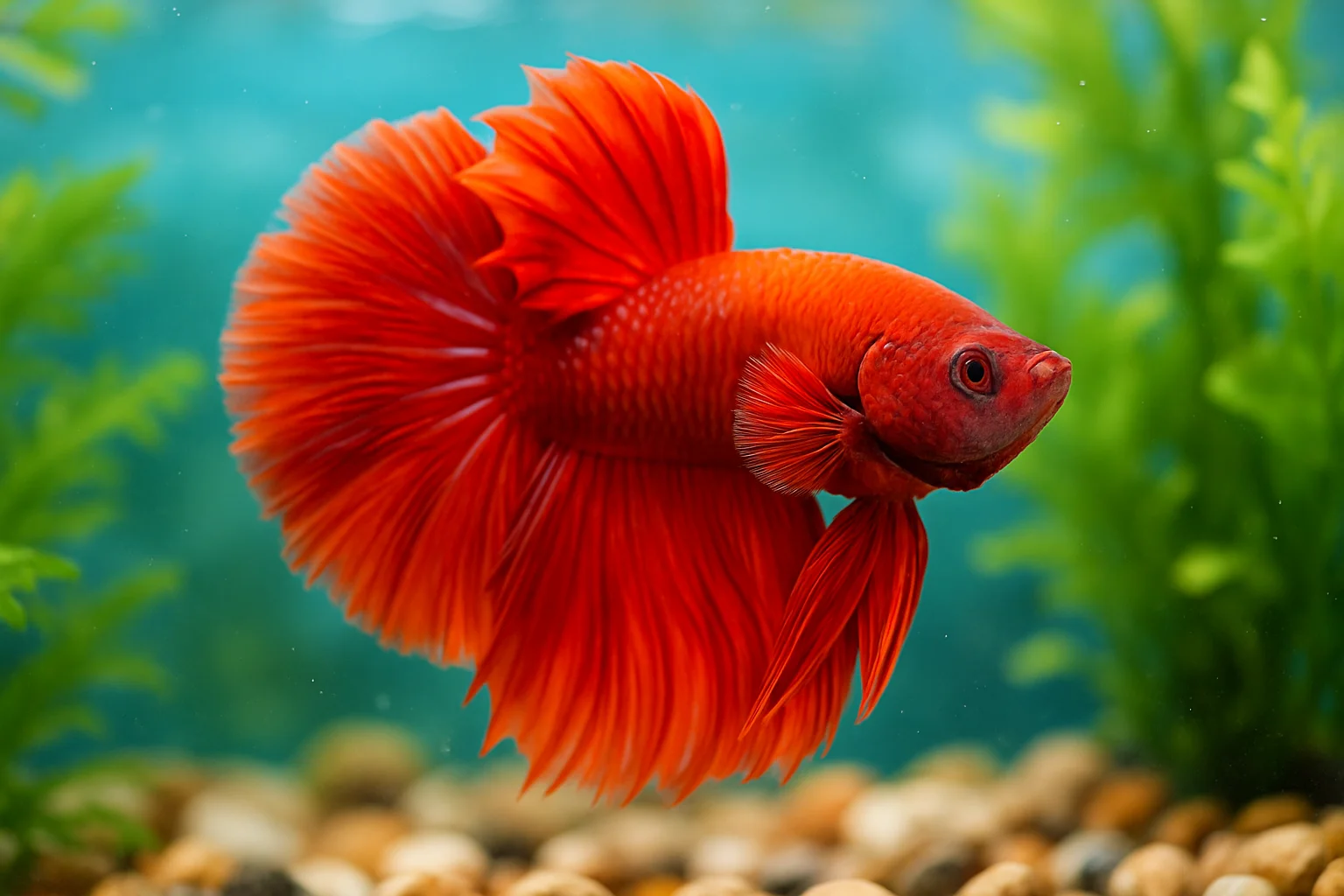
Betta fish are a favorite among pet lovers due to their vibrant colors and distinct personalities. However, their beauty comes with a need for care. These fish can face various health challenges that might affect their well-being. As a responsible pet owner, you need to be aware of the signs of illness and how to respond. Let’s dive into the common diseases that affect betta fish, how to spot them early, and what treatment options you have. Whether you're a new owner or have years of experience, this knowledge is vital for keeping your fish happy and healthy.
Understanding Common Diseases in Betta Fish
Betta fish can suffer from various health problems, often related to their environment, diet, or stress levels. Understanding these common diseases is the first step in ensuring the well-being of your fish.
1. Ich (White Spot Disease)
Ich is one of the most common diseases affecting betta fish. It's caused by a parasite that manifests as small white spots on the skin, gills, and fins. Affected fish may also exhibit behaviors like rubbing against objects or rapid gill movement. The stress of transport or poor water quality can trigger an outbreak.
- Diagnosis: Look for the telltale white spots and unusual behavior.
- Treatment: Raise the water temperature gradually and use medication specifically for Ich.
2. Fin Rot
Fin rot is another prevalent issue, typically caused by bacterial infections due to poor water conditions. Your betta's fins may appear frayed, discolored, or have a black edge. This condition can be exacerbated by stress, overcrowding, or injuries.
- Diagnosis: Examine the fins for discoloration and fraying.
- Treatment: Improve water quality, add aquarium salt, and use antibacterial medications.
3. Velvet Disease
Velvet disease is less common but can be deadly. It’s caused by a parasite that gives your fish a velvety appearance, often accompanied by lethargy and loss of appetite. This disease thrives in poor water conditions.
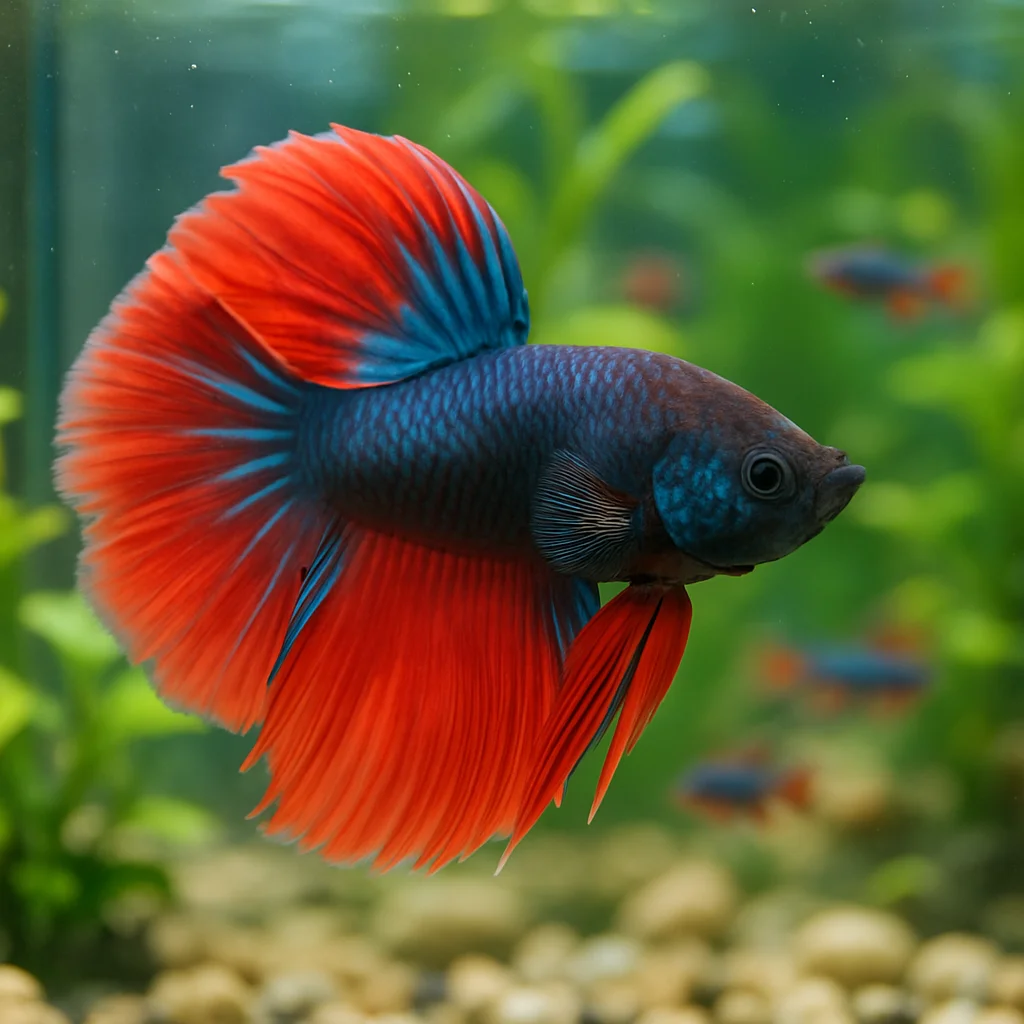
- Diagnosis: Look for a gold or rust-colored dust on the fish.
- Treatment: Increase water temperature and treat with anti-parasitic medications.
4. Swim Bladder Disorder
Swim bladder disorder is a condition that affects a fish's buoyancy. Your betta may struggle to swim, float on its side, or sink to the bottom. This can result from overfeeding or constipation.
- Diagnosis: Observe swimming behavior and eating habits.
- Treatment: Fast the fish for a couple of days, then introduce peas to aid digestion.
5. Dropsy
Dropsy is a serious condition characterized by swelling and a pinecone-like appearance due to fluid accumulation. It often indicates an underlying issue such as a bacterial infection or organ failure.
- Diagnosis: Look for swelling of the body and raised scales.
- Treatment: This condition requires immediate veterinary attention and may involve antibiotics.
Preventing Common Diseases in Betta Fish
Prevention is always better than cure. A clean and stable environment is vital for your betta’s health. Regular water changes, maintaining appropriate temperature and pH levels, and providing a varied diet can help prevent many diseases.
Conclusion
Understanding common diseases in betta fish, their diagnosis, and treatment can make a world of difference in your pet's life. Always keep a close eye on your fish's behavior and physical condition. Regular maintenance of their habitat will contribute to their overall health. Remember, a happy betta is a healthy betta!