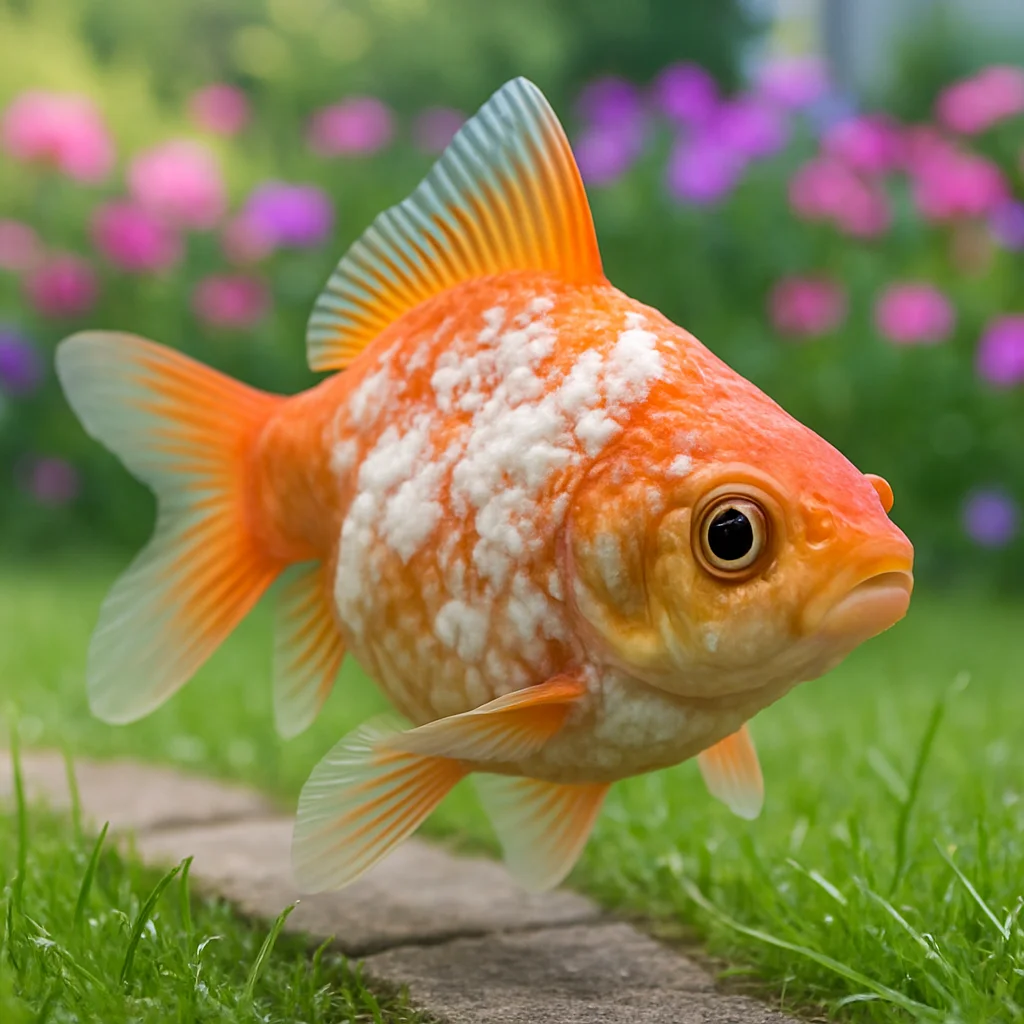
If you're a dedicated aquarium enthusiast, there's nothing more alarming than seeing your fish lose their usual energy. Fungal diseases can strike unexpectedly and cause serious issues in your tank. You might notice white, cotton-like growths on your fish's body, fins, or gills. The bright side? With the right knowledge and treatment strategies, you can help your fish bounce back to health. Let’s dig into how to identify these problems early and the most effective ways to tackle them.
Recognizing Fungal Infections in Your Aquarium Fish
One of the first steps in treating fungal disease in aquarium fish is recognizing the signs early. Symptoms may vary, but common indicators include:
- Cotton-like growths on the skin or gills
- Changes in behavior, such as lethargy or rubbing against objects
- Loss of appetite
- Frayed fins or skin lesions
Pay close attention to your fish and their environment. If you notice any of these signs, it’s crucial to act promptly to prevent the spread of the infection to other fish.
Understanding the Causes of Fungal Diseases
Fungal infections typically thrive in environments that are not optimal for fish health. Poor water quality, overcrowding, and stress can contribute to your fish becoming susceptible to these pesky fungi. Keep an eye on your tank’s water parameters — pH levels, ammonia, nitrite, and nitrate levels should all be within safe ranges. Regular tank maintenance and water changes are essential to keep your fish happy and healthy. Stress factors such as sudden changes in temperature or introducing new fish without proper quarantine can also trigger fungal outbreaks.
Common Treatment Methods for Fungal Disease in Aquarium Fish
When it comes to treating fungal diseases, several effective methods can help. Here are some popular options:
1. Antifungal Medications
Many aquarists find success using antifungal medications available at pet stores or online. Look for products that specifically target fungal infections. Follow the dosage instructions carefully to avoid harming your fish or disrupting your tank’s ecosystem.
2. Salt Baths
A salt bath can help treat superficial fungal infections. Use aquarium salt and dissolve it in a separate container of water. Place your fish in this solution for a short period (usually 5-10 minutes) before returning them to their tank. Ensure that the salinity levels are appropriate for your fish species, as some fish are more sensitive to salt than others.
3. Maintain Optimal Water Conditions
Improving water quality is a vital step in any treatment plan. Regular water changes and proper filtration can help reduce fungal spores in the tank. Consider using a water conditioner to neutralize harmful chemicals and promote a healthy environment. Test your water regularly to ensure all parameters are within safe limits.
Preventing Future Fungal Outbreaks
Once you’ve successfully treated your fish, you’ll want to take steps to prevent future fungal outbreaks. Here are some tips:
- Quarantine new fish before introducing them to your main tank.
- Keep your aquarium clean and well-maintained.
- Monitor your fish for any signs of illness regularly.
- Avoid overfeeding to prevent waste buildup in the tank.
By implementing these preventative measures, you can create a healthier environment for your fish, reducing their risk of fungal infections.
Conclusion
Dealing with fungal disease in your aquarium fish can be stressful, but with the right treatment methods, you can help your fish recover and thrive. Regular maintenance, monitoring, and proper treatment can make all the difference. Don’t hesitate to reach out to your local aquarium store or a vet specializing in fish if you have concerns. Happy fishkeeping!