What to Do in the First 10 Minutes If Your Dog Swallows a Foreign Object
Dogs are naturally curious creatures, often leading them to explore their environment in ways that can be surprising and sometimes dangerous. It's not uncommon for them to swallow items that can pose serious health risks. Discovering that your dog has ingested something foreign can be alarming and distressing. The first 10 minutes following the incident are critical for deciding what steps to take next. Staying calm and acting quickly can significantly impact your dog's health and well-being. Various objects, from toys to food wrappers, can pose risks, and the actions you take immediately can be life-saving. Focus on assessing the situation, taking appropriate actions, and determining when to reach out to your veterinarian for assistance.
Recognizing the Signs of Distress
Before diving into immediate actions, it’s vital to understand the signs that your dog might be in distress after swallowing a foreign object. Symptoms can vary based on the type of object ingested and can sometimes escalate quickly. Here are some common signs to watch for:
- Vomiting: This can be a primary indicator that something is wrong. It may occur immediately or within a few hours after ingestion.
- Loss of appetite: If your dog refuses to eat, it may signal that they are experiencing discomfort.
- Abdominal pain or bloating: Look for signs of discomfort, such as whining, pacing, or a tense abdomen.
- Lethargy or weakness: If your dog seems unusually tired or reluctant to move, it may indicate distress.
- Excessive drooling: This can be a sign of nausea or discomfort in dogs.
- Difficulty defecating: Straining to defecate or not being able to pass stool can be a sign of an obstruction.
- Coughing or gagging: This can indicate that the object is lodged in the throat or causing irritation.
If you notice any of these signs, it’s crucial to act quickly. The presence of any of these symptoms could indicate that the foreign object is causing an obstruction or injury within their digestive system. Remember, even if your dog seems fine initially, symptoms could develop later. Keeping a close eye on them in the first 10 minutes is essential to ensure their safety.
Immediate Steps to Take
Now, let’s talk about what to do in the first 10 minutes if a dog swallows a foreign object. First off, remain calm. Your dog can sense your anxiety, and staying composed will allow you to think clearly. Here are the steps you should follow:
- Assess the Situation: Try to determine what your dog has swallowed, if possible. Knowing the size, shape, and material of the object can help you and your vet decide on the next steps. For example, if it’s a small plastic toy, it may be less risky than a large, sharp object.
- Check for Symptoms: As mentioned earlier, monitor your dog closely for distress signals. This will help you know if immediate veterinary intervention is needed. Take note of any changes in behavior, appetite, or physical symptoms.
- Contact Your Vet: Call your veterinarian or the nearest emergency animal clinic immediately. Describe the situation in detail, including what your dog swallowed, when it happened, and any symptoms you’ve observed. This information will help the vet assess the urgency of the situation.
- Follow Your Vet’s Instructions: Depending on the object swallowed, your vet may advise you to bring your dog in for an examination or monitor the situation at home. Follow their guidance closely to ensure the best outcome for your furry friend.
- Do Not Induce Vomiting Without Guidance: It may seem logical to try to make your dog vomit the object, but this can sometimes do more harm than good. Always consult your vet before taking this step, as certain objects can cause more damage if brought back up.
Quick actions in this window can make all the difference in your dog’s outcome. The goal is to provide a clear pathway to care while ensuring your dog remains as comfortable as possible.
When to Seek Veterinary Care
Not every foreign object is an emergency, but it's critical to know when to seek veterinary care. If your dog shows any of the following signs, it's time to rush to the vet:

- Severe vomiting or diarrhea: Especially if it’s persistent or accompanied by blood.
- Abdominal swelling or pain: This could indicate a blockage or internal injury.
- Persistent coughing or gagging: If your dog is struggling to breathe or seems to be choking.
- Inability to keep food or water down: This can lead to dehydration and other complications.
- Unusual behavior, such as hiding or excessive whining: Changes in behavior can be a sign of pain or stress.
In some cases, your dog might swallow something that can pass through their system without issue. However, objects like batteries, sharp items, or anything that can cause a blockage should be treated as emergencies. Always err on the side of caution when it comes to your furry friend’s health.
How to Prevent Foreign Object Ingestion
Prevention is always better than cure! Here are some practical tips to minimize the risk of your dog swallowing foreign objects:
- Keep small items out of reach: Items like coins, batteries, or buttons can be enticing for dogs but are dangerous if swallowed.
- Be cautious with toys: Ensure they are appropriate for your dog’s size and chewing habits. Regularly inspect toys for wear and tear.
- Regularly check your home and yard for hazardous materials: Items like lawn chemicals, sharp tools, or trash should be secured.
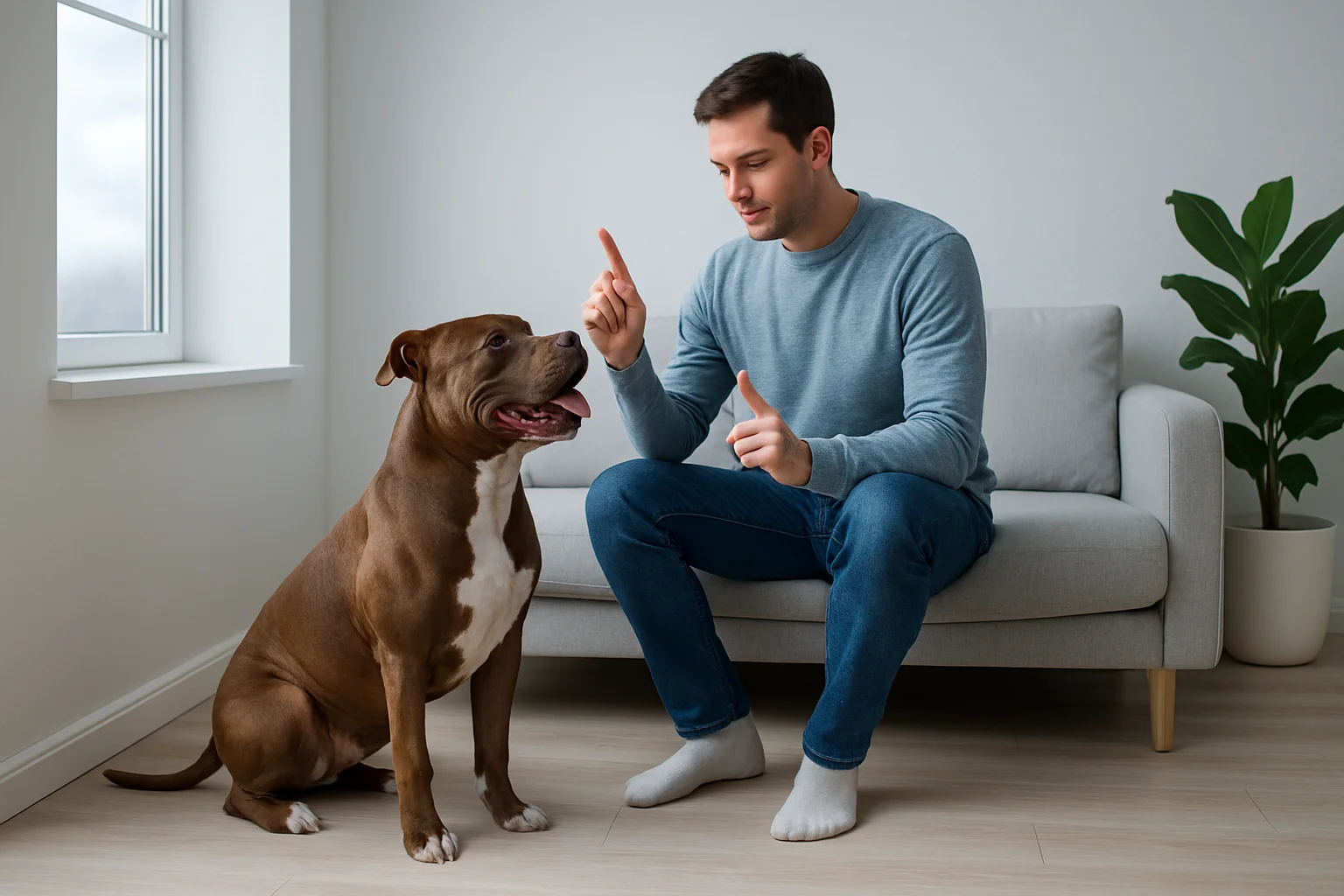
- Teach your dog the 'leave it' command: This can discourage them from picking up unwanted or dangerous items. Training takes time but is invaluable for their safety.
- Provide interactive toys: Engaging toys can keep your dog occupied and reduce boredom, which is often a cause of destructive behavior.
By taking these preventive measures, you can significantly reduce the chances of your dog getting into trouble. Your vigilance is key to their safety and well-being.
Understanding Veterinary Treatments
If your dog does end up swallowing a foreign object, your vet may recommend one of several treatments. Here’s what you might expect:
- Observation: Sometimes, vets might suggest monitoring your dog to see if the object passes naturally. This usually involves a follow-up visit to ensure the dog's health is not compromised.
- X-rays or Ultrasound: Imaging may be used to determine the object's location and potential complications. This helps in deciding the best course of action.
- Endoscopy: In some cases, a vet may use an endoscope to retrieve the object without surgery. This is less invasive and can often be done on an outpatient basis.
- Surgery: If the object is causing a blockage or has sharp edges that could cause internal damage, surgical removal may be necessary. This is often a last resort but can be critical for your dog’s health.
Each case is unique, and your vet will recommend the best course of action based on your dog’s health, the nature of the foreign object, and any symptoms being exhibited.
Conclusion
Knowing what to do in the first 10 minutes if a dog swallows a foreign object can save your dog’s life. While it can be a scary situation, staying calm and taking proper steps is crucial. Always monitor your dog closely for any signs of distress and communicate promptly with your veterinarian. Prevention is equally important, so take proactive measures to ensure your home is safe for your adventurous pup. Remember, your dog depends on you to keep them safe, and your quick actions could make all the difference in a potentially life-threatening situation.