Guinea pigs are not just adorable pets; they need the right diet for their well-being. Unfortunately, many owners, both new and experienced, often miss the mark when it comes to feeding them properly. A balanced diet is essential to avoid health issues stemming from poor nutrition. Mistakes are common, but understanding them can prevent your furry friend from suffering. Let's dive into the common pitfalls in guinea pig diets and the health problems they can lead to, ensuring your pet’s happiness and health.
Understanding Guinea Pig Nutritional Needs
Guinea pigs are herbivores, meaning their diet primarily consists of plant-based foods. They require a steady supply of hay, fresh vegetables, and a small amount of pellets. Unfortunately, many owners mistakenly rely too heavily on pellets and neglect the importance of hay. Hay is essential for their digestive health and helps wear down their continuously growing teeth. Without enough hay, guinea pigs can suffer from dental problems and gastrointestinal stasis, a serious condition that can lead to life-threatening complications.
Common Diet Mistakes
1. Skipping Fresh Vegetables
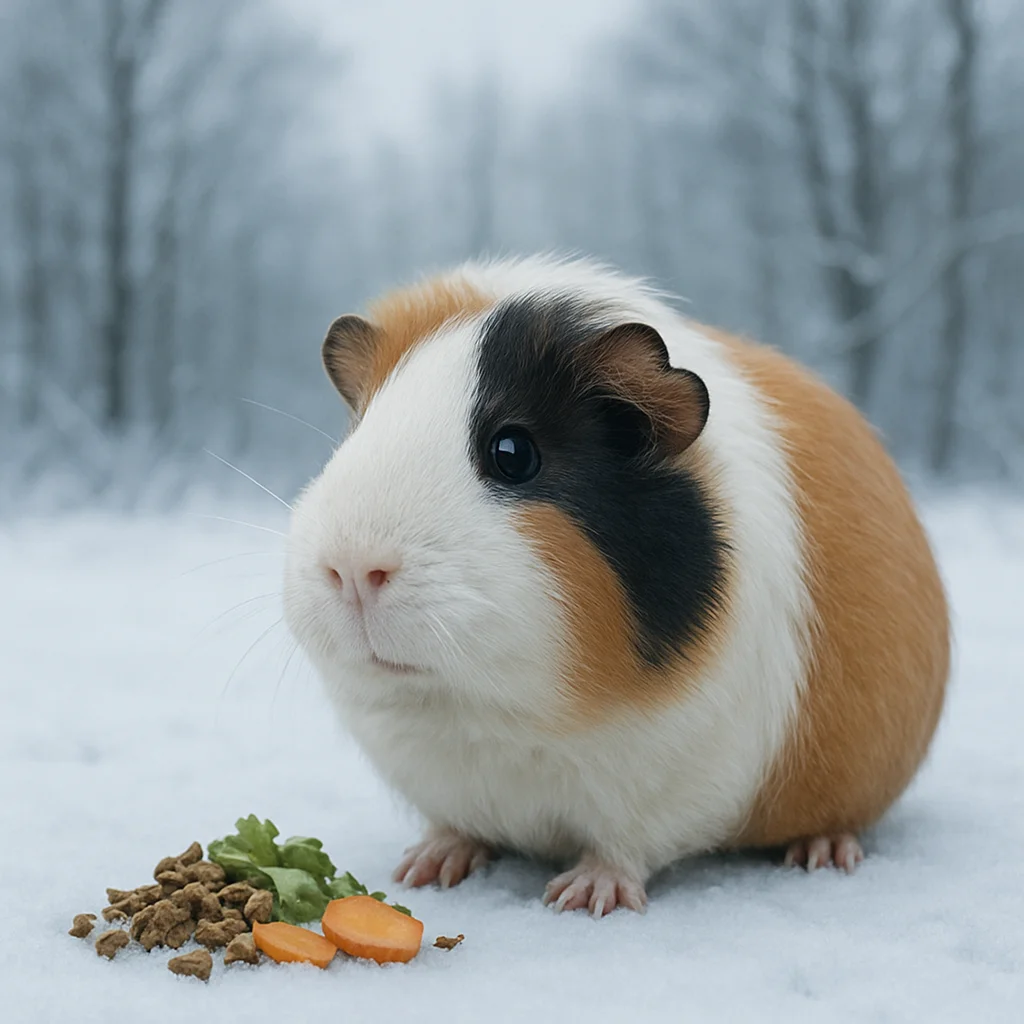
Many pet owners think that pellets alone are enough to meet their guinea pig's dietary needs. This couldn't be further from the truth. Fresh vegetables provide essential vitamins and minerals, particularly vitamin C, which guinea pigs cannot produce on their own. Neglecting fresh veggies can lead to scurvy, a painful condition that affects their skin, gums, and overall health. Always include a variety of fresh vegetables in their diet, such as bell peppers, leafy greens, and carrots.
2. Overfeeding Pellets
While pellets are an important part of a guinea pig's diet, they should only make up a small portion of their overall intake. Overfeeding pellets can lead to obesity and other health issues. It's best to limit pellets to about 1/8 cup per guinea pig per day. Always prioritize hay and fresh vegetables first to keep your pet's diet balanced.
3. Ignoring the Importance of Hay
Hay should make up the bulk of your guinea pig's diet. Timothy hay, meadow hay, or orchard grass are great options. Avoid alfalfa hay for adult guinea pigs, as it is too high in calcium and can lead to urinary issues. Make sure your guinea pig has unlimited access to hay at all times. This helps with their digestion and keeps their teeth healthy, which is crucial for their overall health.
Health Issues Linked to Poor Diet
1. Dental Problems
When guinea pigs don't have enough hay to chew on, their teeth can become overgrown. This can lead to painful dental problems, making it difficult for them to eat. Regular dental check-ups are essential, especially if you notice your guinea pig struggling to eat or showing signs of discomfort.
2. Gastrointestinal Stasis
A lack of fiber in their diet can lead to gastrointestinal stasis, a severe condition where the digestive system slows down or stops completely. Symptoms include a decrease in appetite, lethargy, and a bloated abdomen. If you notice these signs, consult your veterinarian immediately.
3. Scurvy
Vitamin C deficiency can lead to scurvy, which can cause severe health issues, including swollen gums, joint pain, and lethargy. Make sure to provide fresh veggies high in vitamin C daily. If your guinea pig does develop scurvy, a vet can recommend appropriate supplements to help.
Tips for a Balanced Diet
To ensure your guinea pig stays healthy, here are a few tips for creating a balanced diet:
- Always provide unlimited hay.
- Introduce fresh vegetables gradually to avoid digestive upset.
- Choose a high-quality pellet that is free from seeds and nuts.
- Consult with your vet about appropriate supplements if needed.
- Monitor your guinea pig's weight regularly to prevent obesity.
Conclusion
Feeding your guinea pig a balanced diet doesn't have to be complicated, but it does require some knowledge and attention to detail. Avoiding common guinea pig diet mistakes is key to preventing health issues that can arise from improper nutrition. By focusing on hay, fresh vegetables, and limiting pellets, you can ensure your furry friend enjoys a long, healthy life. Remember, a happy guinea pig is a well-fed guinea pig! Keep learning and stay informed on the best practices for your pet's dietary needs.