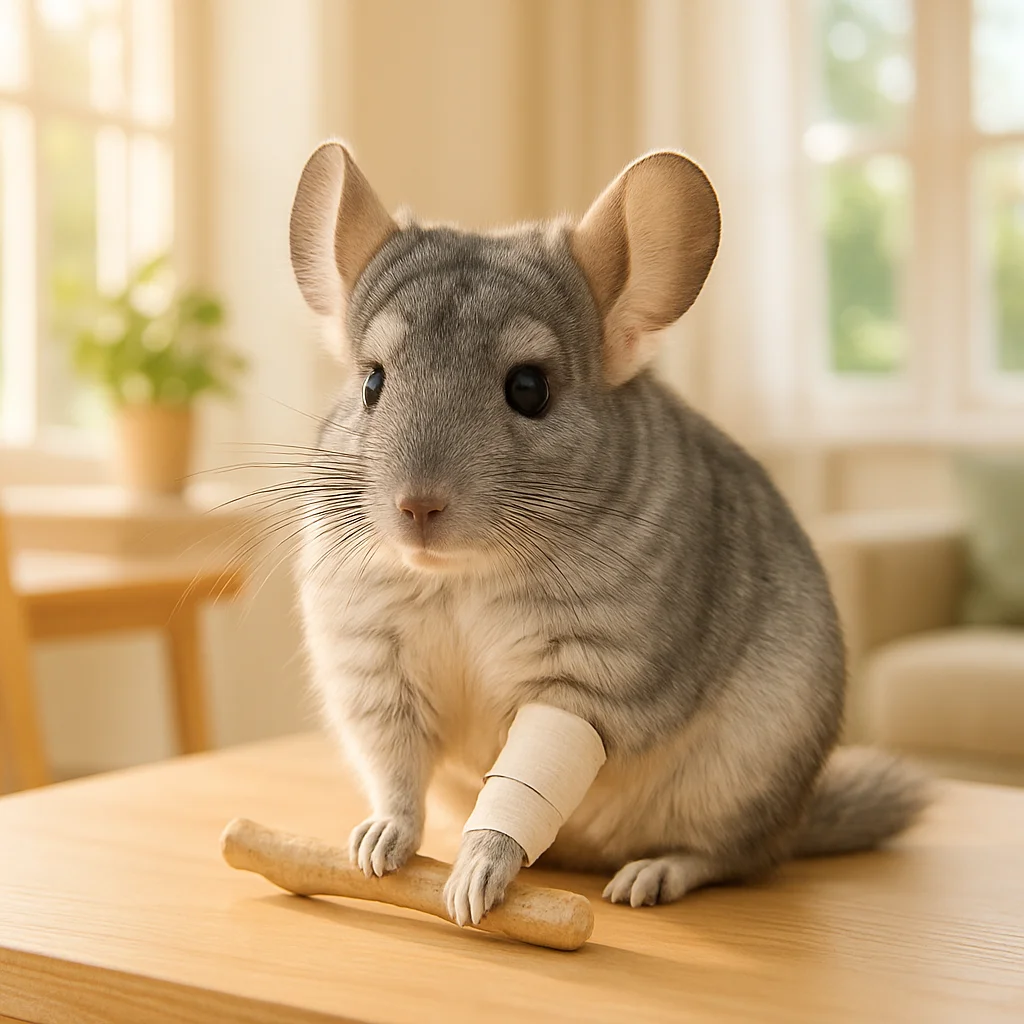
Chinchillas are wonderfully charming pets, known for their soft fur and playful nature. Like all pets, they can encounter health issues, particularly orthopedic diseases. These conditions can impact their bones and joints, leading to discomfort and restricted movement. As a diligent pet owner, it's essential to spot the signs early and learn how to provide the best care at home. Let’s delve into the common orthopedic diseases in chinchillas and discover effective home care methods to ensure your chinchilla stays healthy and lively.
Common Orthopedic Diseases in Chinchillas
Chinchillas can suffer from a variety of orthopedic issues, some of which are hereditary while others are related to their environment or diet. Here are a few common diseases:
- Osteoarthritis: This degenerative joint disease can occur in older chinchillas. It leads to inflammation, pain, and stiffness in the joints.
- Fractures: Chinchillas are active and often jump from heights. Unfortunately, this can result in broken bones, especially if they land awkwardly.
- Hip Dysplasia: This genetic condition affects the hip joint, causing pain and difficulty in movement.
- Luxating Patella: This occurs when the kneecap dislocates, which can lead to limping and discomfort.
Recognizing Symptoms
Being observant is key. If your chinchilla starts showing signs of pain or discomfort, it’s vital to pay attention. Look for symptoms like:
- Reduced activity or playfulness
- Difficulty jumping or climbing
- Changes in posture
- Weight loss or changes in appetite
Each of these signs can indicate an underlying orthopedic issue. If you notice any of these behaviors, it’s time to consult your veterinarian.
Home Care Methods for Chinchillas with Orthopedic Diseases
Managing orthopedic diseases at home requires a little extra effort but can make a big difference in your chinchilla’s comfort. Here are some effective methods:
1. Provide a Comfortable Environment
Make sure your chinchilla has a cozy and safe space to move around. Avoid high platforms and sharp edges in their habitat. Use soft bedding to cushion their joints and provide plenty of hiding spots to make them feel secure.
2. Nutrition Matters
Diet plays a vital role in bone health. Ensure your chinchilla has a balanced diet rich in fiber. Timothy hay should be the staple, along with pellets specifically designed for chinchillas. Adding small amounts of fresh greens can also provide essential nutrients.
3. Regular Vet Check-ups
Even if your chinchilla seems fine, regular check-ups are essential. A vet can help monitor any developing issues and give you advice tailored to your pet's specific needs.
4. Gentle Exercise
While your chinchilla may have limited mobility, gentle exercise can help maintain muscle strength. Supervised playtime on a safe surface can encourage movement without risking injury.
5. Pain Management
If your vet diagnoses an orthopedic disease, they may recommend pain relief options. Always follow their guidance on medications or supplements that can ease discomfort.
Conclusion
Orthopedic diseases in chinchillas can be a serious concern, but with the right knowledge and care methods, you can support your furry friend’s health and comfort. Regular vet visits, a safe environment, proper nutrition, and gentle exercise can all contribute to a better quality of life for your chinchilla. Remember, being proactive is key. Keep an eye on your pet’s behavior, and don’t hesitate to reach out to a vet if something seems off. Your chinchilla depends on you!