Rabbits are truly delightful companions. Their playful nature and gentle personalities bring joy to any home. However, like all pets, they can face various health challenges that may affect their happiness. Knowing the common health issues and symptoms is crucial for maintaining your rabbit's well-being. From digestive problems to dental issues, being aware allows you to act quickly if your furry friend seems off. Pay close attention to your rabbit's behavior and appetite; these can indicate when something isn't right. Let’s take a closer look at the typical health concerns and the signs to watch for, ensuring your rabbit remains in great health.
Recognizing Gastrointestinal Problems
Gastrointestinal issues are among the most common health problems in rabbits. A rabbit’s digestive system is highly sensitive, and any disruption can lead to serious health complications. Symptoms of gastrointestinal distress include loss of appetite, lethargy, and discomfort. If your rabbit is not eating its hay or pellets, this is a major red flag. Additionally, if you notice a decrease in droppings or changes in their consistency, it’s time to take action.
Types of Gastrointestinal Problems
- Gastric Stasis: This occurs when the digestive system slows down or stops altogether, leading to severe pain and potential death. Look for signs like not eating or drinking, and bloated stomachs.
- Diarrhea: While occasional soft stools can happen, persistent diarrhea is a sign of a serious problem. This can be caused by diet changes, stress, or infections.
- Intestinal Blockages: These can occur from ingesting foreign objects or hairballs. Symptoms include extreme lethargy, vomiting, and abdominal pain.
Dental Issues in Rabbits
Dental health is vital for rabbits, and problems can lead to significant discomfort. Rabbit teeth grow continuously, which means they need to be worn down properly through chewing. If their teeth become misaligned or overgrown, it can lead to painful abscesses and difficulty eating. Keep an eye out for drooling, difficulty chewing, or pawing at the mouth.
Preventing Dental Problems
To prevent dental issues, provide your rabbit with plenty of chew toys and hay. Regular veterinary check-ups are crucial for ensuring their teeth are in good condition, especially as they age. Your vet can help trim their teeth if they become problematic, so don’t skip those appointments!
Respiratory Issues in Rabbits
Respiratory health is another area where rabbit owners need to be vigilant. Rabbits can develop respiratory infections, which can be caused by various factors, including poor housing conditions and stress. Symptoms include sneezing, coughing, nasal discharge, and difficulty breathing. If your rabbit exhibits these signs, it is essential to get them checked out by a vet as soon as possible.
Maintaining Good Respiratory Health
To maintain good respiratory health, ensure your rabbit’s living environment is clean and well-ventilated. Avoid exposure to second-hand smoke and strong odors, as these can irritate their sensitive respiratory systems. Regular cleaning of their habitat helps prevent the buildup of bacteria and allergens.
Skin and Fur Conditions
Skin issues can affect rabbits just as they do other pets. Conditions like mites, fleas, and fungal infections can lead to itching, hair loss, and discomfort. If you notice your rabbit scratching excessively or if there are bald spots, it’s important to seek veterinary advice.
How to Care for Your Rabbit’s Coat
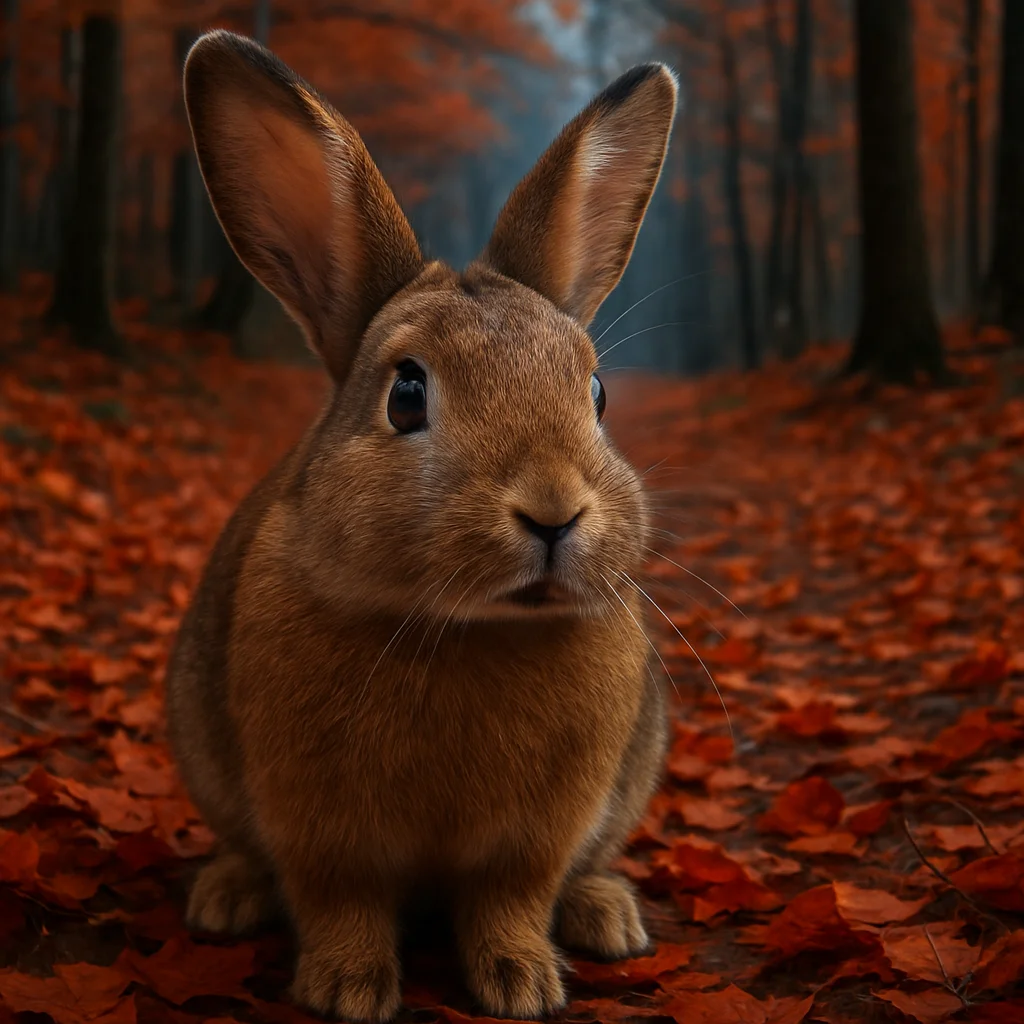
Regular grooming is vital for keeping your rabbit’s coat healthy. Brush them weekly to remove loose fur and prevent matting. This also gives you a chance to check for any skin issues or parasites. If you do find any signs of pests, consult your vet about appropriate treatments.
Behavioral Changes to Watch For
Sometimes, health issues manifest through behavioral changes. If your usually active rabbit becomes lethargic or withdrawn, it could be a sign of an underlying problem. Watch for changes in eating habits, litter box behavior, and social interaction. Any significant shifts should prompt a trip to the vet.
Understanding Your Rabbit’s Needs
Rabbits are social creatures, and they thrive on interaction. Spending time with them daily and observing their behavior is crucial. A happy rabbit is an active rabbit. If your rabbit shows signs of stress or anxiety, consider enriching their environment with toys or even a companion rabbit.
When to See a Vet
Knowing when to seek veterinary help can make all the difference. If your rabbit exhibits any of the following symptoms, don’t hesitate to contact your vet:
- Persistent loss of appetite
- Difficulty breathing
- Severe lethargy
- Unusual droppings
- Signs of pain or discomfort
Acting quickly can save your rabbit’s life. Regular check-ups are also key; even if your rabbit seems healthy, preventative care is always best.