Maintaining the right pH balance in your aquarium is crucial for the health of your aquatic life. This simple measurement can directly influence how well your fish and plants thrive. A proper pH level allows your fish to flourish and your plants to grow vibrantly. But how can you keep it steady? Here are five straightforward tips to help you maintain that balance. From regular testing to selecting the right materials, these strategies will ensure your aquarium remains in perfect harmony. Let’s take a look!
1. Test Your Water Regularly
The first step in maintaining pH balance is to test your water regularly. You can find pH testing kits at most pet stores or online. These kits are straightforward to use and provide quick results. Aim to test your aquarium water at least once a week, especially when you first set up your tank or if you notice any changes in fish behavior. Most freshwater fish thrive in a pH range of 6.5 to 7.5, while saltwater fish prefer slightly higher levels. Keep a log of your readings to track any fluctuations over time. Monitoring your pH levels helps catch any issues early and allows for timely interventions.
2. Choose the Right Substrate
The substrate you select for your aquarium can significantly influence its pH balance. Some substrates, like crushed coral or limestone, can raise the pH, while others, like peat moss, can lower it. When setting up your aquarium, consider the type of fish you plan to keep. If you want to maintain a neutral pH, opt for neutral substrates like gravel or sand. Always do your research and choose a substrate that complements your aquatic ecosystem. If you ever switch substrates, be prepared for potential changes in pH levels, and test frequently during the transition.
3. Maintain Consistent Water Changes
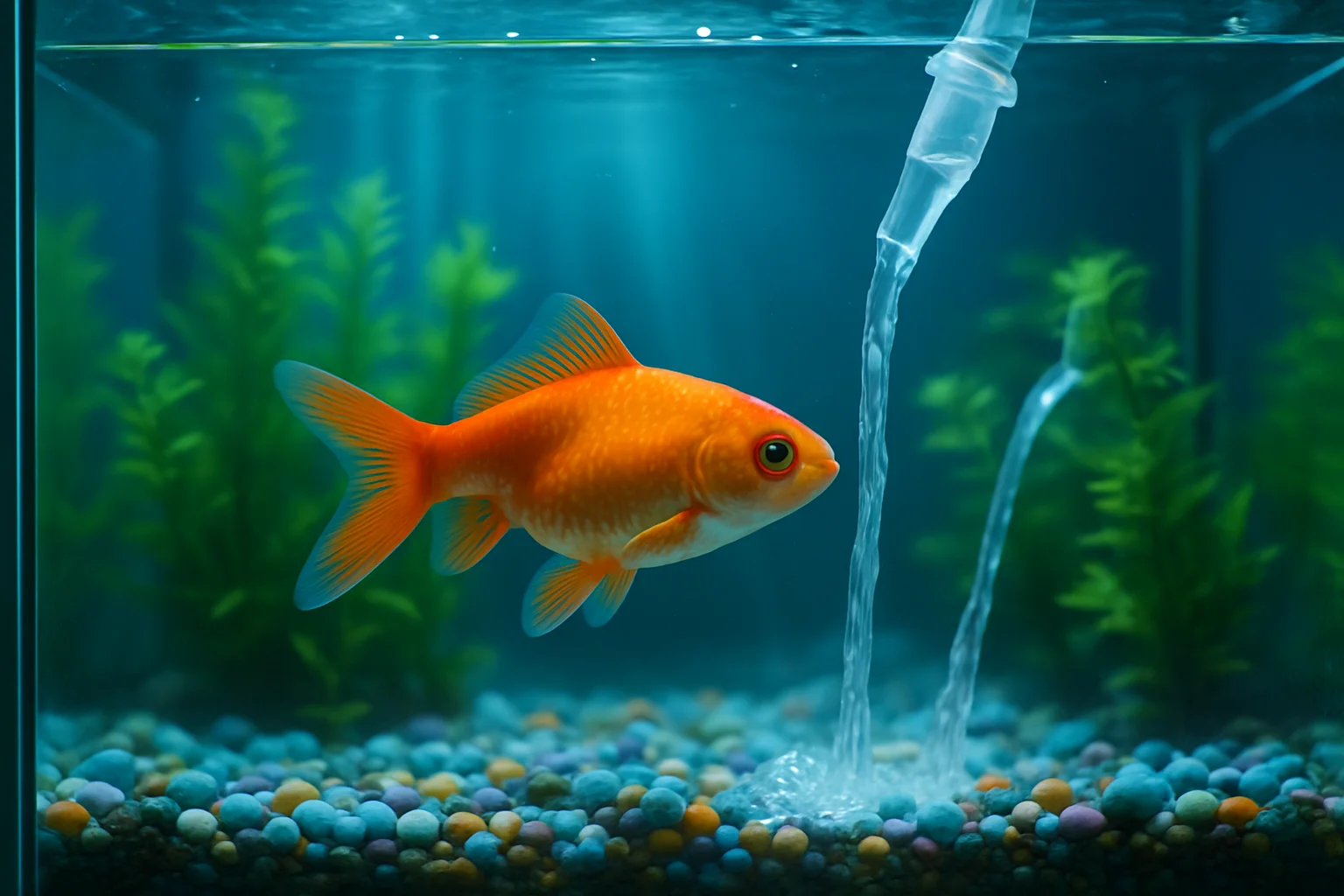
Regular water changes are vital for maintaining a stable pH balance. By replacing a portion of the water, you remove accumulated toxins and pollutants, which can affect the pH. Aim for a 10-15% water change every week or a larger 25-30% change every month, depending on your tank's needs. When adding new water, make sure it matches the pH of your aquarium. If your tap water has a different pH, consider using a water conditioner to adjust it. This step is crucial as sudden changes in pH can stress your fish and lead to health issues.
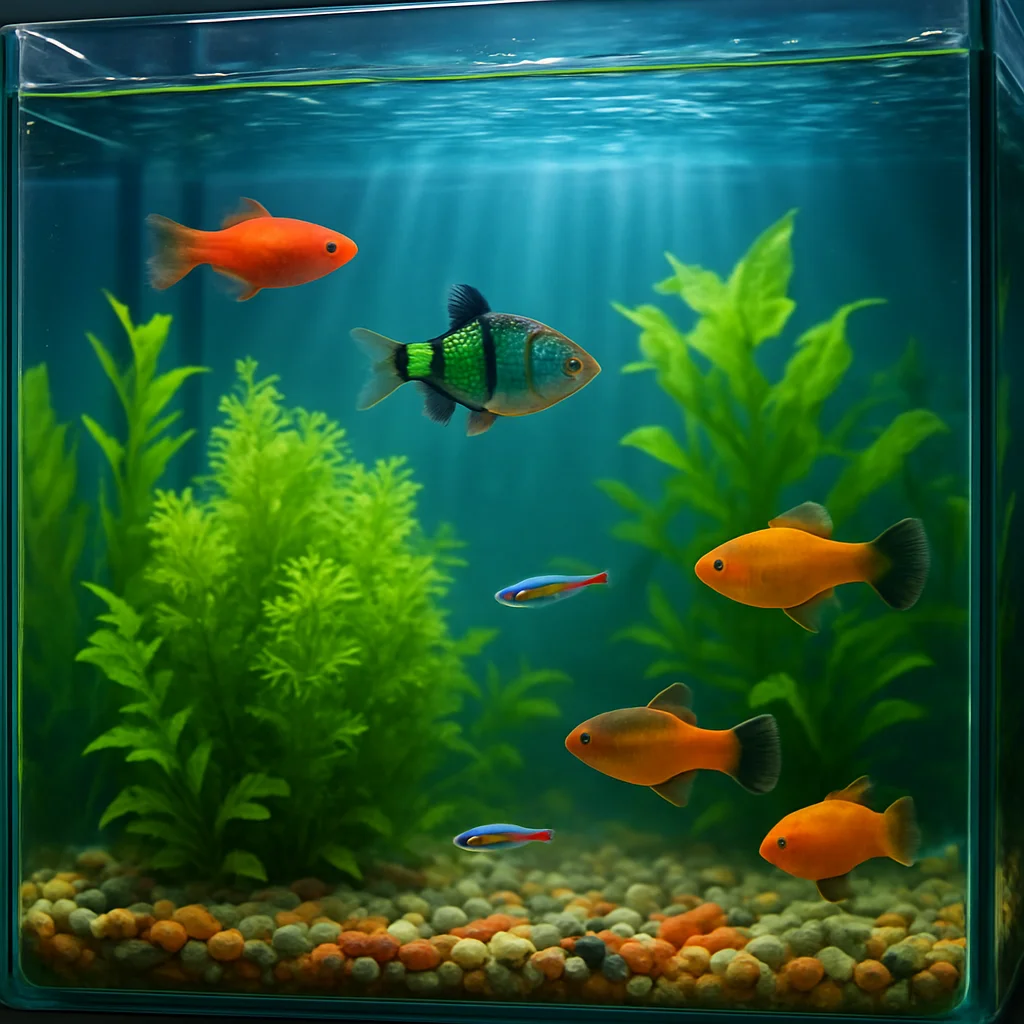
4. Use Natural Buffers
Natural buffers can help stabilize pH levels in your aquarium. Products like crushed coral or sodium bicarbonate can gently raise pH, while peat moss can help lower it. You can also introduce driftwood into your tank, which releases tannins that can lower pH gradually. Be cautious when using these natural buffers; it’s essential to monitor their effects on your water chemistry. Gradual changes are best, as fish can become stressed with rapid shifts in pH. Always add these buffers slowly, testing the water frequently to ensure you’re moving in the right direction.
5. Monitor Temperature and Alkalinity
Temperature and alkalinity are closely linked to pH balance. Elevated temperatures can lead to lower dissolved oxygen levels and may affect pH. Additionally, alkalinity acts as a buffer, helping to stabilize pH levels. Test your tank’s alkalinity regularly, aiming for a range of 4-8 dKH (degrees of carbonate hardness). Keeping the temperature steady is also vital. Most fish prefer a consistent temperature, so invest in a reliable heater or chiller as needed. Keeping an eye on both temperature and alkalinity will help you maintain a stable pH environment for your aquatic friends.
Practical Tips for pH Maintenance
Here’s a quick step-by-step guide to help you maintain pH balance in your aquarium:
- Test your aquarium water weekly using a reliable pH kit.
- Choose the right substrate based on your fish species.
- Perform regular water changes to reduce toxins.
- Use natural buffers cautiously to stabilize pH.
- Monitor temperature and alkalinity regularly.
Conclusion
Maintaining a balanced pH in your aquarium is crucial for the health of your fish and plants. By regularly testing your water, choosing the right substrate, performing consistent water changes, using natural buffers, and monitoring temperature and alkalinity, you can create a thriving aquatic environment. Remember, small changes can have big impacts, so stay attentive to your tank’s needs. With these 5 quick tips to maintain pH balance in your aquarium, you’re well on your way to creating a healthy and beautiful underwater world!