Maintaining a healthy aquarium raises a common question: how often should I change the water for my fish? The answer varies based on factors like tank size, fish type, and filtration system. A good rule of thumb is to change 10-15% of your aquarium water each week. For heavily stocked tanks, you might need to change it more frequently. Regular water changes eliminate harmful toxins, nitrates, and waste, creating a safer environment for your fish. This leads to healthier fish and longer lives. Let’s dive deeper into this topic.
Understanding Your Aquarium's Ecosystem
Your aquarium is a delicate ecosystem where various elements interact with each other. Fish produce waste, uneaten food decays, and algae can grow rapidly. All these factors contribute to water quality. If you don’t change the water regularly, toxins can build up, leading to stress, disease, or even death in your fish. It’s essential to monitor your aquarium's conditions regularly, using a water testing kit to check levels of ammonia, nitrites, and nitrates. By understanding these elements, you can better determine how often to change your aquarium water.
Factors Influencing Water Change Frequency
Several factors influence how often you should change your aquarium water. Here are the key ones:
- Tank Size: Smaller tanks accumulate toxins faster than larger ones. If you have a nano tank, consider changing 20-30% of the water weekly.
- Fish Stocking Levels: The more fish you have, the more waste is produced. Overcrowded tanks need more frequent water changes.
- Filtration System: A high-quality filtration system can reduce the frequency of water changes. However, this doesn’t eliminate the need for regular changes.
- Type of Fish: Some fish are more sensitive to water changes than others. Research the species you own to better understand their needs.
Signs Your Aquarium Needs a Water Change
Sometimes, you just know it’s time for a water change. Look out for these signs:
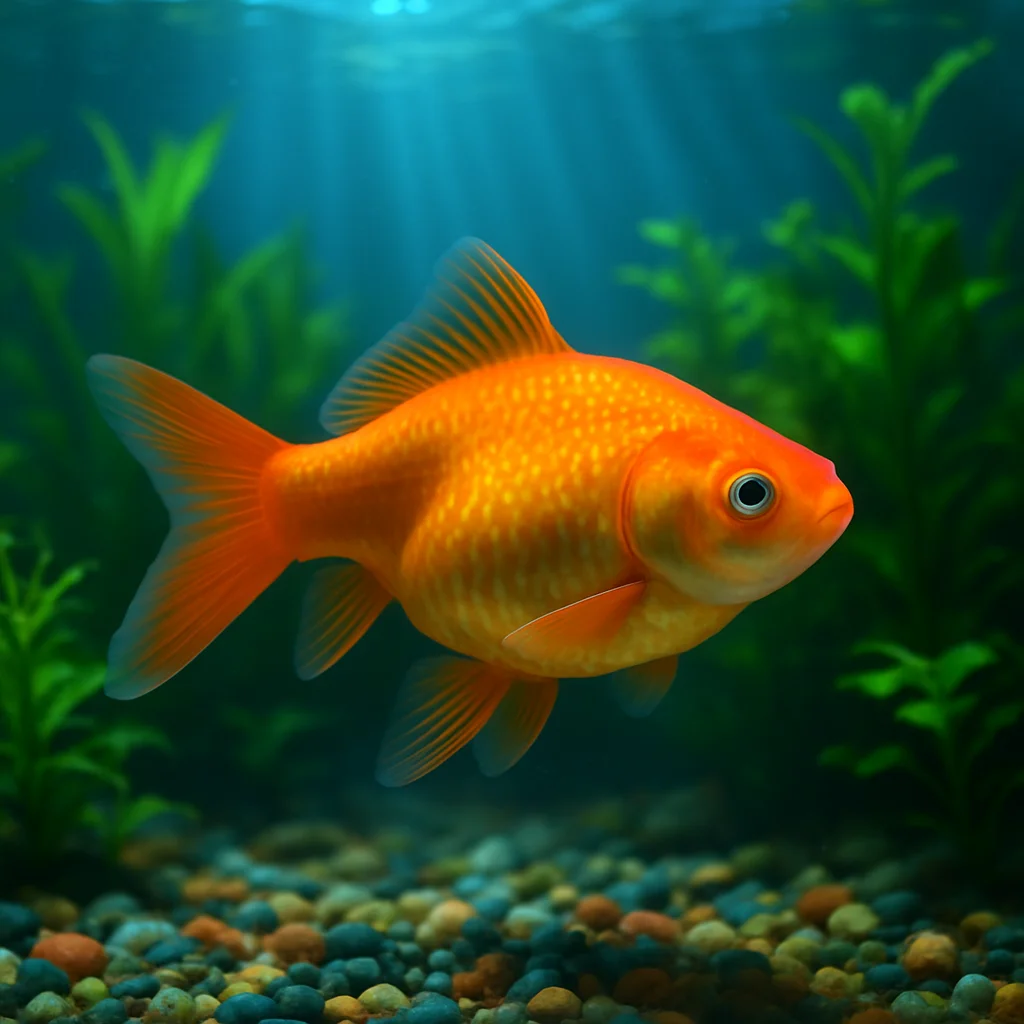
- Poor Water Clarity: If the water looks cloudy, it might be time to change it.
- Algae Growth: Excessive algae can indicate poor water quality.
- Unpleasant Odor: A foul smell is a sure sign that something isn’t right.
- Fish Behavior: If your fish are gasping for air or acting lethargic, check the water quality.
How to Change Aquarium Water: A Step-by-Step Guide
Changing the water in your aquarium can be a simple process if done correctly. Follow these steps for a successful water change:
- Gather Supplies: You'll need a siphon or gravel vacuum, a bucket (dedicated to aquarium use), a water conditioner, and dechlorinated water.
- Turn Off Equipment: Before starting, turn off filters and heaters to avoid damage.
- Remove Water: Use the siphon to remove the desired amount of water, cleaning the substrate as you go.
- Replace with Fresh Water: Fill the bucket with fresh water and treat it with a water conditioner to remove chlorine and chloramine.
- Check Temperature: Ensure the new water is at the same temperature as the tank to avoid shocking your fish.
- Add Water: Slowly add the fresh water to the tank, avoiding disturbing the substrate.
- Restart Equipment: Once the water change is complete, turn your filters and heaters back on.
Different Aquarium Types and Their Needs
It’s crucial to tailor your water change routine based on the type of aquarium you own. Here’s a quick overview:
- Freshwater Tanks: Generally, 10-15% weekly is sufficient. However, heavily stocked or planted tanks may require more frequent changes.
- Saltwater Tanks: These often need 15-20% changes every two weeks due to the delicate balance of salinity and other factors.
- Cichlid Tanks: Due to higher waste production, aim for 20-30% changes weekly.
- Planted Tanks: Regular changes can promote plant health, so stick to the 10-15% rule but adjust based on the plant load.
Maintaining Water Quality Between Changes
To ensure your fish stay healthy between water changes, consider these tips:
- Regular Testing: Test your water parameters weekly to catch any issues early.
- Monitor Feeding: Avoid overfeeding your fish. If there's leftover food, reduce the amount you give.
- Use a Good Filter: Invest in quality filtration to keep your water clean.
- Control Algae Growth: Introduce algae-eating fish or snails to help manage algae levels naturally.
Conclusion
Knowing how often to change aquarium water for your fish is essential for their health and happiness. By understanding your aquarium's unique needs and keeping an eye on water quality, you can create a thriving environment. Regular water changes help prevent the buildup of harmful toxins and ensure your fish swim in clean, safe water. Remember, every tank is different. Pay attention to your fish and their environment, and adjust your routine as needed. Happy fishkeeping!