Betta fish are vibrant companions that require more than just a pretty tank. They need your attention and proper care to thrive. Recognizing the early signs of stress is crucial to keeping your betta healthy. Stress can take a toll on their overall well-being and lifespan. So, how can you tell if your betta is feeling overwhelmed? And why is maintaining water quality so important? Understanding these aspects will help ensure that your finned friend enjoys a long and happy life.
Recognizing Stress Symptoms in Betta Fish
Understanding betta fish stress symptoms is critical for any owner. These beautiful fish can exhibit various signs when they are under stress. Here are a few common symptoms to watch out for:
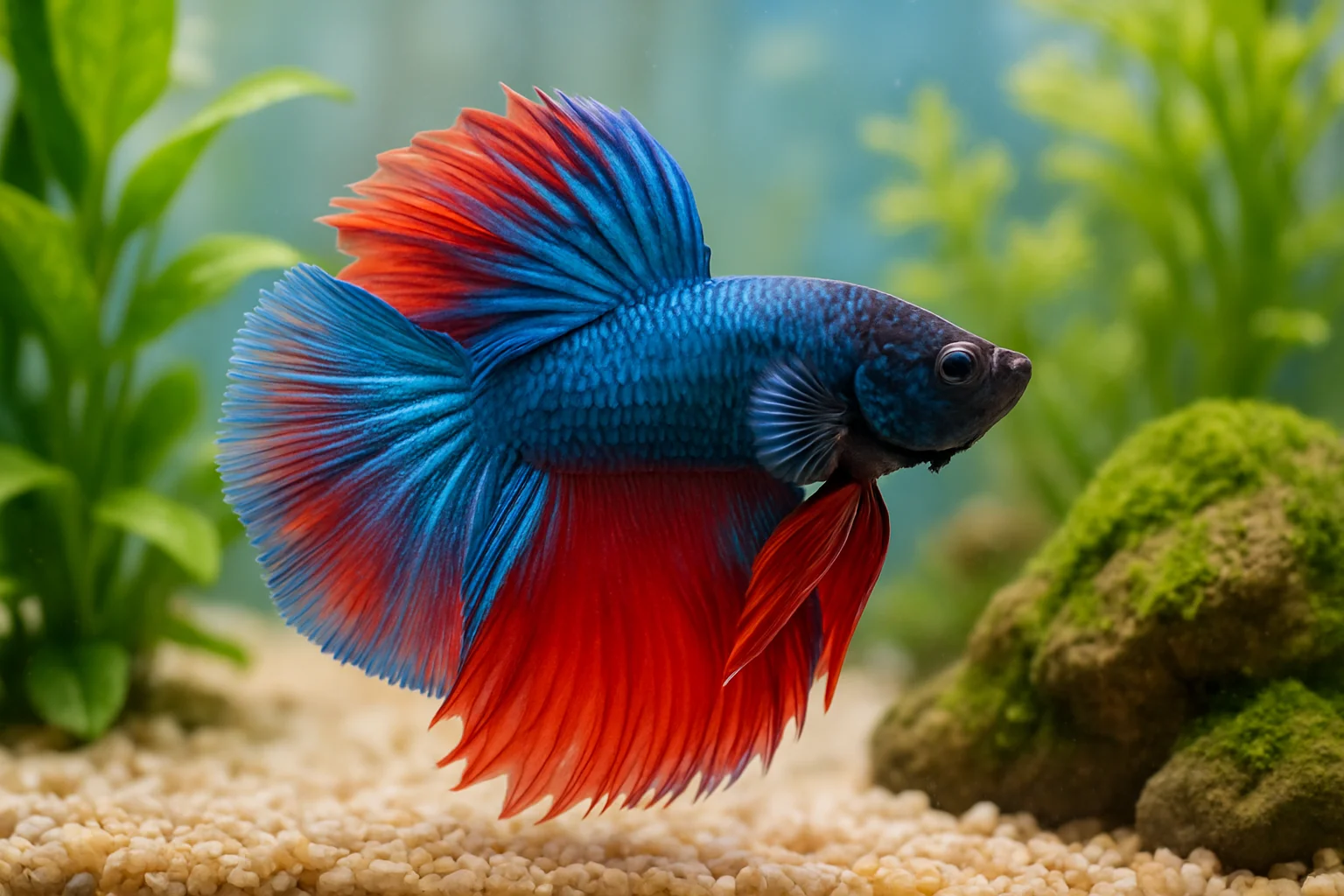
- Color Fading: Healthy bettas are typically vibrant and colorful. If you notice your fish becoming dull or washed out, it could be a sign of stress.
- Erratic Swimming: If your betta is darting around the tank or swimming in circles, it may be feeling anxious or stressed.
- Hiding: Bettas are known for their bold personalities. If your fish is spending more time hiding than usual, it’s a potential sign of discomfort.
- Loss of Appetite: A stressed betta might refuse to eat. If your fish is not showing interest in its food, this could indicate stress.
- Fins Clamping: If your betta keeps its fins clamped close to its body, it might be feeling threatened or stressed.
Identifying these symptoms as early as possible is essential. The sooner you notice them, the quicker you can take action to improve your betta’s environment and overall health.
The Role of Water Quality in Betta Health
Water quality is a critical factor in the health of your betta fish. Poor water conditions can lead to stress, illness, and even death. So, what makes water quality so important? First, let’s discuss some key parameters that make up good water quality for your betta:
pH Levels
Betta fish thrive in a pH range of 6.5 to 7.5. A pH that’s too high or too low can cause stress and make your fish more susceptible to diseases. Regularly testing your tank's pH will help you maintain the right balance. Use a reliable pH test kit to keep track of any changes.
Ammonia and Nitrite Levels
Ammonia and nitrites are toxic to fish, even at low levels. Always aim for 0 ppm for both. Regular water changes and a properly cycled tank can help keep these levels in check. If either ammonia or nitrite spikes, it can cause immediate stress and health issues for your betta.
Nitrate Levels
While nitrates are less toxic than ammonia and nitrite, they can still cause stress at high levels. Keep nitrate levels below 20 ppm for optimal health. Regular water changes and a well-maintained filtration system can help you manage these levels effectively.

Ensuring Optimal Water Conditions
Now that we understand the importance of water quality, let’s discuss some practical steps to maintain optimal conditions in your betta’s tank:
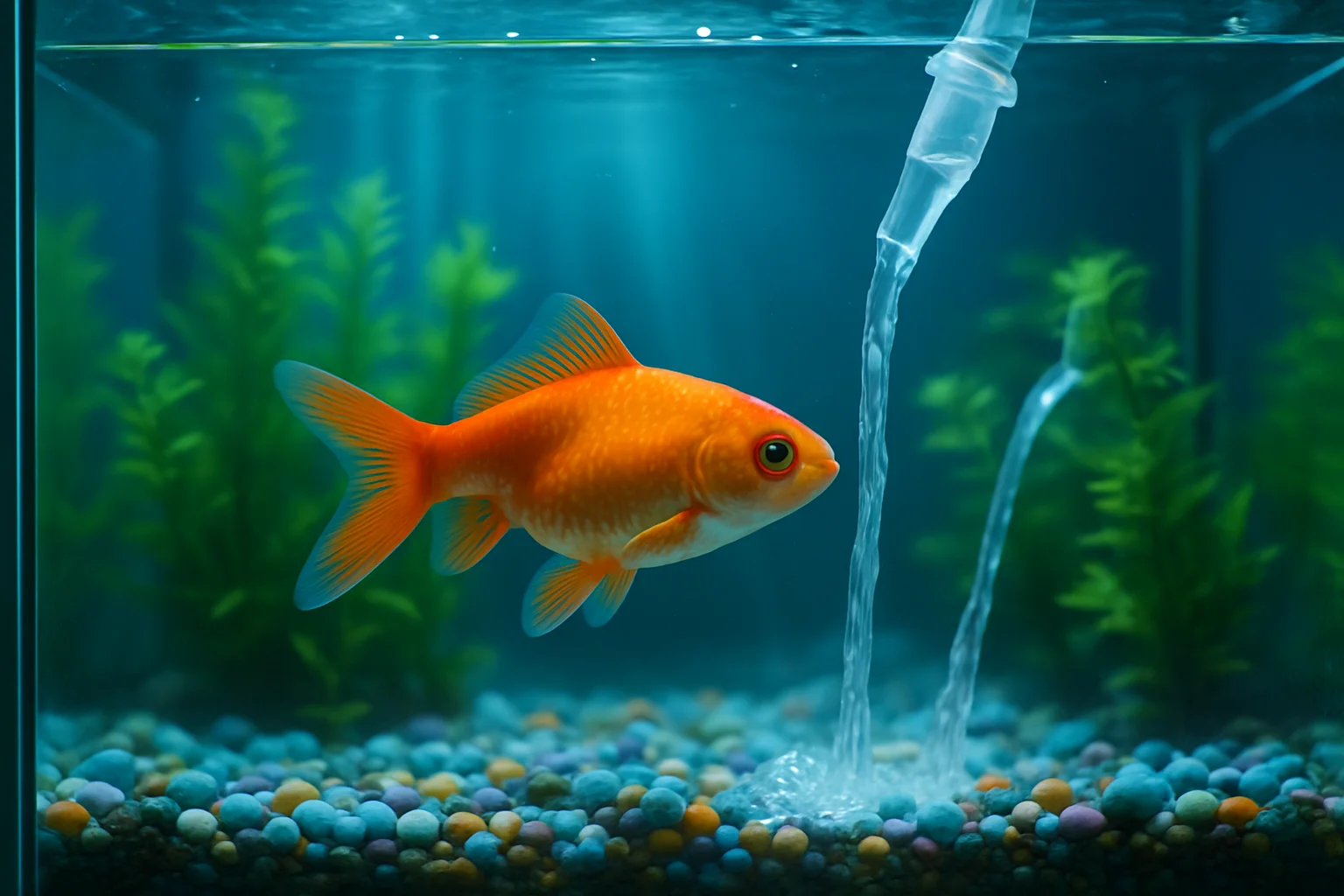
- Regular Water Changes: Aim to change 10-15% of the water weekly. This helps remove toxins and replenish essential minerals.
- Use a Quality Filter: A good filter will help maintain water quality by removing waste. However, ensure it’s not too strong, as bettas prefer gentle currents.
- Monitor Temperature: Bettas thrive in warmer waters, ideally between 76°F and 82°F. Use a reliable aquarium heater to maintain a consistent temperature.
- Test the Water: Invest in a good water testing kit. Regular testing will allow you to catch any issues before they become serious.
- Avoid Overfeeding: Excess food can pollute the water. Feed your betta only what it can consume in 2-3 minutes.
By following these steps, you’ll help create a stable, healthy environment for your betta fish.
Common Stress Triggers for Betta Fish
Understanding what can stress your betta is just as important as recognizing the symptoms. Here are some common stress triggers:
- Tank Size: While some bettas can survive in smaller tanks, they thrive in a minimum of 5 gallons. A cramped environment can lead to stress.
- Tank Mates: Bettas are territorial. Keeping them with aggressive fish or even overly active tank mates can lead to stress.
- Water Conditions: As mentioned, poor water quality is a major stressor. Regular maintenance is key.
- Sudden Changes: Bettas can be sensitive to sudden changes in their environment, whether it’s a new tank, new decorations, or changes in water temperature.
It’s vital to create a calm environment for your betta, free from unnecessary stressors.
Steps to Reduce Stress in Betta Fish
So, how can you reduce stress in your betta fish? Here’s a step-by-step approach:
- Provide Hiding Spots: Use plants, caves, and decorations to give your betta places to hide. This can help them feel secure.
- Keep the Tank Clean: Regular maintenance will prevent any build-up of harmful substances that can cause stress.
- Introduce New Tank Mates Carefully: If you want to add other fish, do so slowly and monitor interactions closely.
- Maintain a Consistent Schedule: Keep feeding and maintenance schedules consistent. Bettas thrive on routine.
- Observe Regularly: Spend time watching your betta. This will help you notice any changes in behavior quickly.
By taking these steps, you’ll create a more peaceful and stable environment for your betta, reducing stress and promoting better health.
Conclusion: The Key to a Happy Betta
In conclusion, understanding betta fish stress symptoms and the importance of water quality is essential for every betta owner. By recognizing signs of stress early and maintaining optimal water conditions, you can ensure your betta lives a long, happy life. Remember, a little effort goes a long way in providing a healthy environment for your beloved pet. So keep an eye on those water parameters, watch for stress symptoms, and enjoy the beautiful and vibrant life of your betta fish!