Finding the right cat litter is essential for your cat's comfort. With so many choices like crystal litter, bentonite clay, and wood pellets, you might feel a bit lost. Crystal litter is great for odor control and produces little dust, while bentonite is popular for its clumping feature that makes cleanup a breeze. Wood pellets are an eco-friendly option. So, how do you make the best choice for your feline friend? Let’s break down the pros and cons of each type.
Understanding Crystal Litter
Crystal litter is made from silica crystals. It’s known for its excellent absorption and odor control. Here are some pros and cons:
- Pros:
- Exceptional moisture absorption.
- Low dust production, making it great for cats with respiratory issues.
- Long-lasting and doesn’t need frequent changing.
- Good odor control, reducing the need for air fresheners.
- Cons:
- Can be more expensive than traditional litters.
- Some cats may not like the feel of the crystals under their paws.
- Not biodegradable, which can be a concern for eco-conscious pet owners.
- Pros:
- Highly absorbent and forms solid clumps for easy cleaning.
- Typically more affordable than crystal litter.
- Widely available in stores, making it easy to find.
- Generally favored by cats due to its texture.
- Cons:
- Can produce a lot of dust, which may irritate some cats and owners.
- Not environmentally friendly, as it’s not biodegradable.
- Frequent changing is required to maintain odor control.
- Pros:
- Biodegradable and eco-friendly.
- Great for odor control due to the natural properties of wood.
- Low dust production, making it suitable for sensitive cats.
- Absorbent and comfortable for cats.
- Cons:
- May require more frequent changing than other litters.
- Some cats may not like the texture compared to clay litters.
- Can be more challenging to find in certain areas.
- Crystal litter: Usually on the pricier side, often costing more per pound.
- Bentonite clay litter: Generally affordable and widely available at many retailers.
- Wood pellets: Prices can vary, but they may be more expensive than traditional clay options.
- Observe your cat: Pay attention to your cat's preferences. Do they like digging? If so, they might prefer a clumping litter.
- Consider allergies: If your cat has respiratory issues, opt for low-dust options like wood pellets or crystal litter.
- Evaluate your budget: Factor in how often you’re willing to replace the litter and how much you can spend.
- Test a few types: Don’t be afraid to try different litters to see which one your cat prefers.
Crystal litter can be an excellent choice for those looking for a low-maintenance option. However, if your cat prefers something softer, you might need to consider other alternatives.
Exploring Bentonite Clay Litter
Bentonite clay litter is a classic choice for many cat owners. It clumps when wet, making it easy to scoop out waste. Here’s a deeper look:
Bentonite clay litter is a tried-and-true option, especially if you have a cat that enjoys digging. Just be mindful of the dust and the environmental impact.
Considering Wood Pellets
Wood pellets offer a natural alternative to traditional litters. Made from compressed sawdust, they break down into sawdust when wet. Let’s dive into the pros and cons:
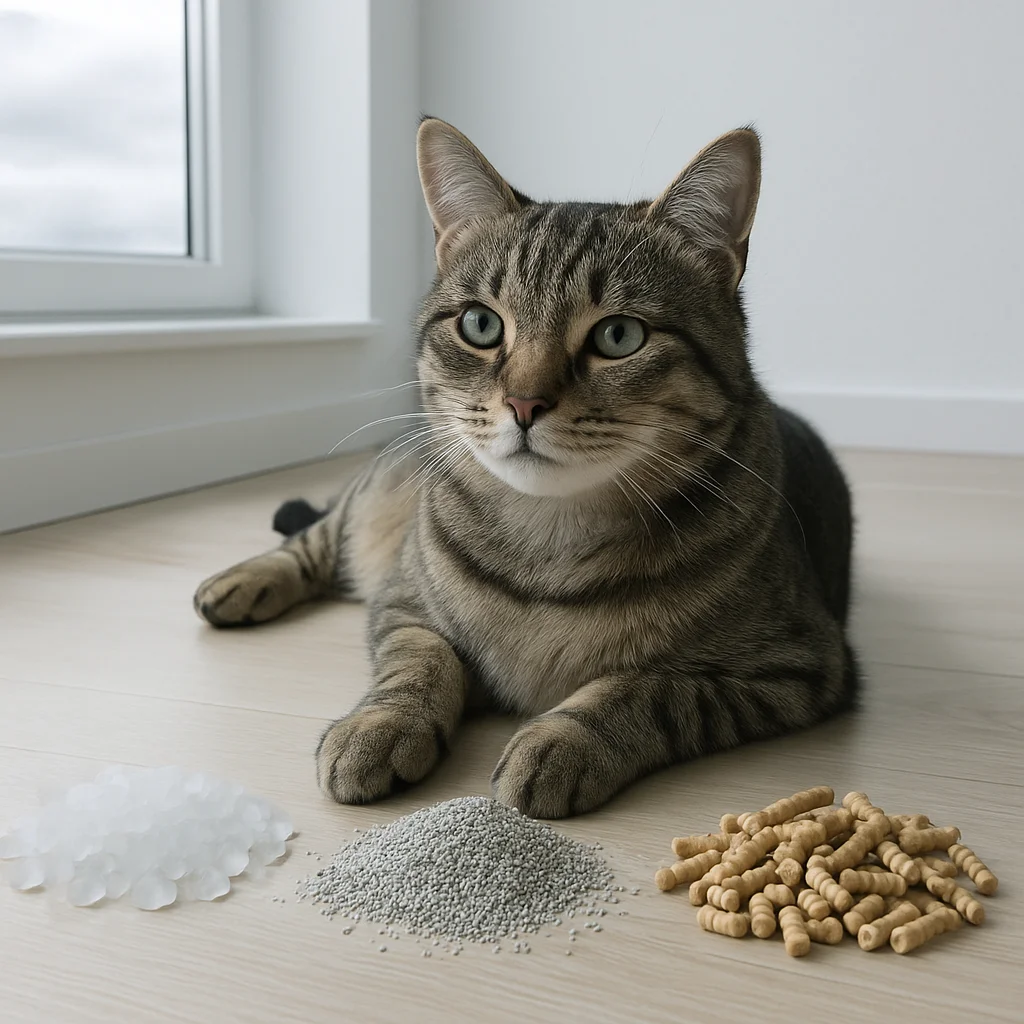
If you’re an environmentally conscious pet owner, wood pellets may resonate with you. They’re also an excellent choice for allergy-prone cats, but be prepared for potential texture preferences from your feline.
Comparing Cost and Availability
Cost can be a significant factor when choosing cat litter. Here’s a quick comparison:
Availability can also vary by region. If you live in a rural area, bentonite clay might be easier to find compared to specialty crystal litters. Always check your local pet stores or online retailers for the best options.
Practical Tips for Choosing Cat Litter
Here are a few steps to help you choose the best litter for your cat:
These tips can help you navigate the litter aisle and find what works best for both you and your feline friend.
Conclusion
Choosing the right cat litter is essential for your kitty's comfort and your home’s cleanliness. Crystal litter offers fantastic odor control and low maintenance, but can be pricey. Bentonite clay is a classic, affordable option that's easy to find, though it may produce dust. Wood pellets are an eco-friendly choice but might not suit every cat’s preferences. Ultimately, it’s about finding the right balance between what your cat likes and what fits your lifestyle. Take the time to experiment, and you’ll find the perfect fit in no time!