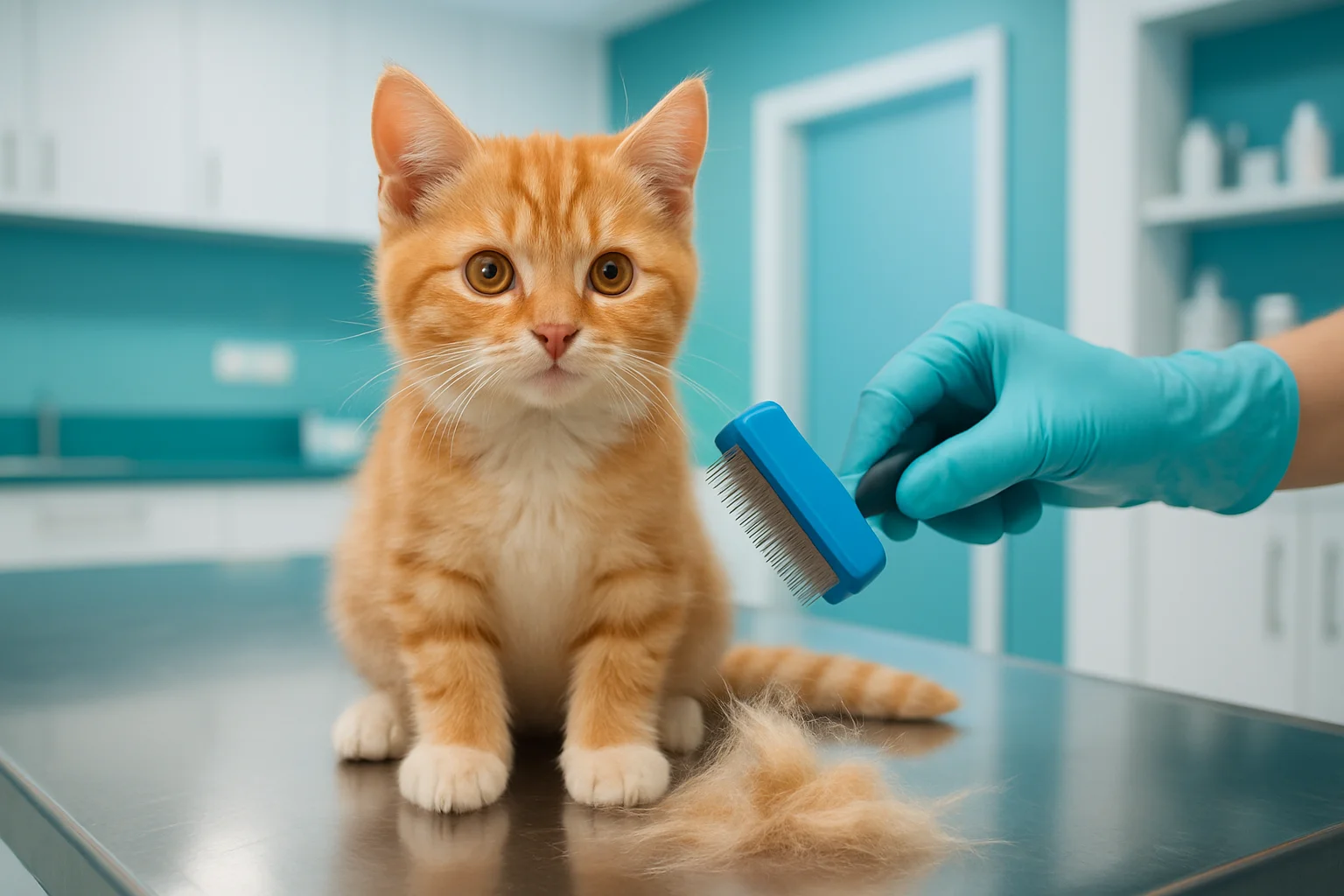
Cats are intriguing creatures, known for their independence and charm. Yet, health issues can arise unexpectedly. As a cat owner, it's crucial to be ready with first aid knowledge for sudden health concerns. From minor cuts to more severe conditions like difficulty breathing, being prepared can help you respond effectively. Cats can’t communicate their discomfort, so spotting the signs of distress early is vital. Knowing how to react can make a significant difference in emergencies. Stay alert, your furry companion depends on you, and being ready can save their life.
Recognizing Signs of Distress in Your Cat
The first step in addressing sudden health issues is recognizing the signs that your cat is in distress. Cats are masters at hiding their pain, but there are subtle clues you can look for:
- Changes in behavior: Is your cat suddenly more withdrawn or aggressive?
- Altered eating habits: Refusing food or excessive eating can signal issues.
- Vomiting or diarrhea: These are common signs of gastrointestinal problems.
- Labored breathing: Watch for open-mouth breathing or excessive panting.
Understanding these signs can help you react quickly. If you notice any of these symptoms, it's time to assess the situation and consider first aid methods for sudden health issues in cats. Stay calm and take a mental note of what you observe, as this information will be vital for your vet.
Basic First Aid Kit for Cats
Having a well-stocked first aid kit is essential for any cat owner. Here’s what you should include:
- Adhesive bandages in various sizes
- Gauze pads and rolls
- Antiseptic wipes or solution
- Hydrogen peroxide (for cleaning wounds)
- Scissors (preferably blunt-tipped)
- Disposable gloves
- Thermometer (specifically for pets)
- Emergency contact numbers (vet, poison control)
When you have these tools at your disposal, you can respond more effectively to sudden health issues. Remember, a little preparation can go a long way in ensuring your cat’s well-being.
Dealing with Cuts and Wounds
Cuts and wounds are common occurrences, especially for adventurous cats. Here’s how to handle them:
- Assess the wound: Is it bleeding? How deep is it?
- Control bleeding: Apply gentle pressure with a clean cloth or gauze.
- Clean the wound: Use antiseptic wipes or a diluted hydrogen peroxide solution to clean around the area, avoiding getting it in the wound.
- Apply a bandage: If the cut is deep, cover it with a gauze pad and secure it with an adhesive bandage.
- Monitor for infection: Watch for swelling, redness, or discharge.
These first aid methods for sudden health issues in cats can help prevent infection and promote healing. If the wound doesn’t improve or if your cat seems in pain, it’s best to consult your veterinarian.
Handling Vomiting and Diarrhea
Vomiting and diarrhea can be alarming for any cat parent. Both can lead to dehydration, so it’s crucial to act quickly:
- Withhold food for 12-24 hours, but ensure your cat has access to fresh water.
- Monitor their behavior: Are they lethargic? Any other signs of illness?
- If vomiting continues after fasting, consult your vet.
- After the fasting period, reintroduce food slowly with bland options like boiled chicken or rice.
Keep an eye on their litter box habits too. If diarrhea persists for more than a day, get in touch with your vet. Your cat’s health is paramount, and early intervention can prevent serious complications.
Addressing Breathing Difficulties
Breathing issues in cats can be serious and may require immediate attention. Here’s what to do:
- Stay calm: Your cat will pick up on your anxiety.
- Check the environment: Is there smoke, strong odors, or allergens?
- If your cat is wheezing or struggling to breathe, try to keep them calm and quiet.
- Contact your vet or an emergency clinic immediately.
Do not wait too long; breathing problems can escalate quickly. If possible, have your cat transported to the vet in a carrier to minimize stress.
When to Seek Veterinary Help
Knowing when to seek professional help is crucial for every cat owner. Here are scenarios where you should definitely contact your vet:
- Severe or persistent vomiting and diarrhea
- Signs of severe pain (hiding, aggression)
- Bleeding that doesn’t stop after 5-10 minutes
- Any respiratory distress
- Signs of poisoning (drooling, tremors)
Your veterinarian is your best ally in keeping your cat healthy. Don’t hesitate to reach out, especially if you’re unsure about your cat’s condition. Never second-guess your instincts; if something feels off, it’s better to be safe than sorry.
Conclusion: Be Prepared, Stay Calm
Being a cat owner comes with incredible joys, but it also means being prepared for sudden health issues. First aid methods for sudden health issues in cats are not just beneficial; they can be life-saving. By recognizing signs of distress, having a stocked first aid kit, and knowing how to handle common emergencies, you can ensure that your feline friend gets the help they need when it matters most. Remember, always trust your instincts and don’t hesitate to contact your veterinarian when in doubt. Your cat relies on you, and with preparation, you can face any challenge that comes your way.