Kittens bring so much joy into our lives with their playful nature and adorable purring. However, new cat owners often discover that shedding is part of the package. It's not just about having a lint roller handy; understanding the reasons behind your kitten's shedding and how to manage it is crucial. As kittens grow, they shed more during certain times, but with proper care, you can minimize the mess and keep your home clean. Let's explore how to keep your little furball looking great and your living space fur-free.
Understanding Why Kittens Shed
Shedding is a natural process for all cats, including kittens. As your little one grows, their fur changes. Kittens often shed their soft, baby fur to make way for a coarser adult coat. This transition usually occurs around six months of age. Additionally, factors like the season, temperature, and stress levels can influence shedding. Kittens often shed more during the spring and fall as they adapt to changing weather. It's also crucial to note that some breeds shed more than others. For example, Siamese cats have shorter, finer coats, while Maine Coons are known for their thick, luxurious fur. Understanding your kitten's shedding patterns can help you prepare and establish a care routine that fits their needs.
Factors Influencing Shedding in Kittens
Several factors can influence how much your kitten sheds. These include:
- Breed: Some breeds are more prone to shedding, while others are known for being hypoallergenic.
- Health: If your kitten is not feeling well, shedding can increase. Conditions like allergies or skin issues can cause excessive fur loss.
- Diet: A balanced diet rich in Omega fatty acids promotes healthy skin and fur, reducing excessive shedding.
- Environment: Changes in temperature or humidity can also affect how much your kitten sheds.
- Stress: Just like humans, kittens can experience stress. A new environment, visitors, or loud noises can lead to more shedding.
Recognizing these factors will help you create a nurturing environment that minimizes shedding and promotes overall well-being.
Grooming Techniques for Shedding Control
Regular grooming is one of the best ways to manage your kitten's shedding. Here are some effective grooming techniques:
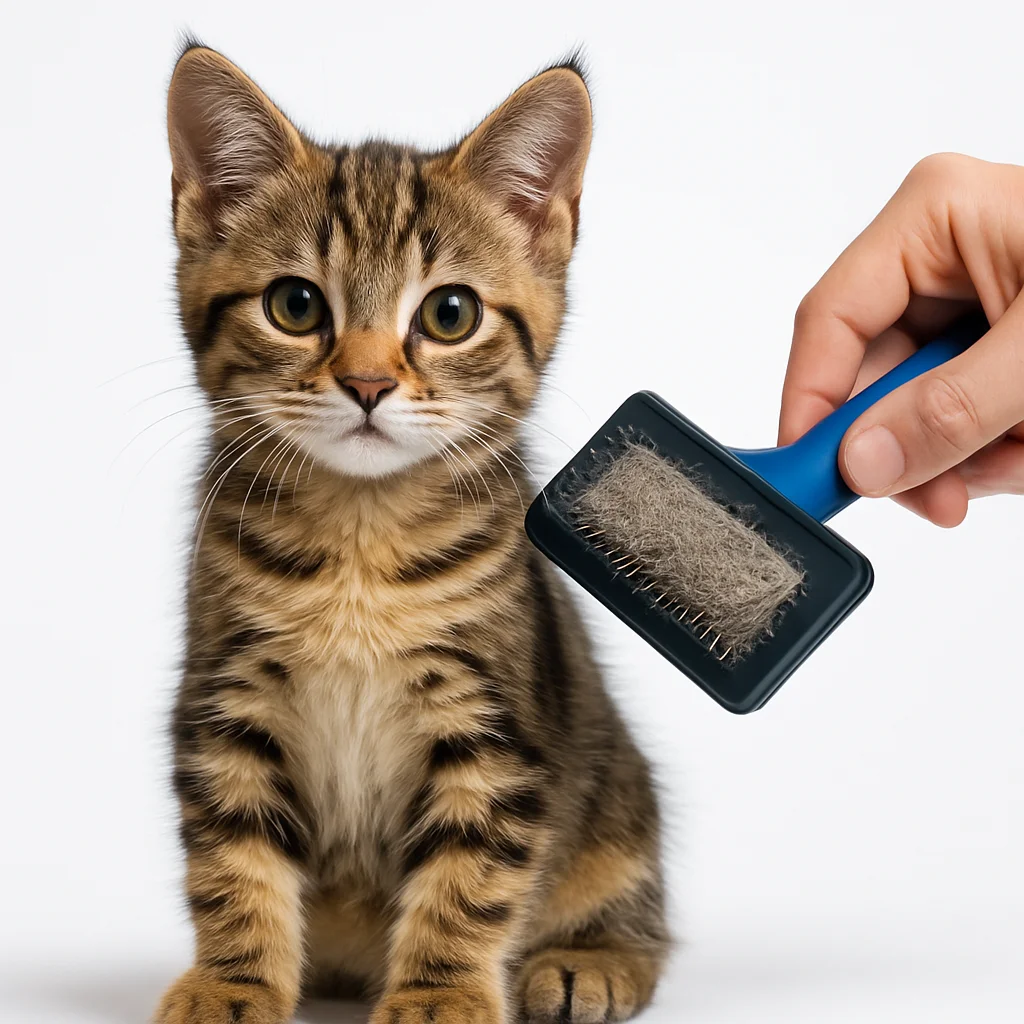
- Brush Regularly: Invest in a quality grooming brush suitable for your kitten’s coat type. For short-haired kittens, a rubber brush or a bristle brush works well. Long-haired kittens may need a slicker brush to remove tangles and loose fur.
- Bath Time: While not every kitten enjoys baths, occasional bathing can help reduce shedding. Use a gentle cat shampoo and ensure you rinse thoroughly.
- Wipe Down: Use damp cloths or grooming wipes to wipe down your kitten’s coat. This can catch loose fur and dander before it spreads around your home.
- Dental Care: Healthy cats shed less. Regular dental care, including brushing your kitten's teeth, contributes to overall health and minimizes shedding caused by poor health.
Establishing a regular grooming routine not only helps with shedding but also strengthens the bond between you and your kitten.
Creating a Healthy Environment
Your kitten’s living environment plays a significant role in their health and shedding. Here’s how to create a comfortable space:
- Temperature Control: Keep your home at a comfortable temperature. Too hot or too cold environments can lead to increased shedding.
- Air Quality: Invest in an air purifier to reduce allergens and dander in your home. This can help minimize shedding and improve your kitten's overall comfort.
- Safe Spaces: Create cozy spots for your kitten to relax. Cat trees, soft beds, and hideaways give them a sense of security.
By providing a healthy environment, you lower stress levels and help minimize shedding.
Nutrition and Shedding: A Vital Connection
The food your kitten eats can significantly impact their skin and coat health. Look for high-quality kitten food that contains:
- High Protein: Cats are obligate carnivores, so they need protein to thrive.
- Omega Fatty Acids: Look for ingredients like fish oil or flaxseed oil, which promote a healthy coat.
- Vitamins and Minerals: Ensure the food contains essential vitamins like A and E for skin health.
Consult with your veterinarian to choose the best diet for your kitten’s age, breed, and health needs. A proper diet will help reduce shedding while keeping your kitten vibrant and energetic.
Dealing with Allergies and Shedding
If you or someone in your household has allergies, managing your kitten’s shedding becomes even more crucial. Here are some tips to handle shedding while minimizing allergic reactions:
- Frequent Cleaning: Vacuum regularly and use pet-friendly air filters to reduce dander.
- Grooming: Brush your kitten outdoors if possible to keep loose fur outside.
- Designated Spaces: Keep certain areas of your home, like bedrooms, pet-free to reduce allergen exposure.
Addressing allergies while caring for your kitten is manageable with proactive strategies.
Practical Tips for Effective Shedding Management
Here are some practical tips to help you effectively manage shedding in your kitten:
- Daily Brushing: Make it a habit to brush your kitten daily. This helps keep loose fur contained and can be a bonding experience.
- Use a De-shedding Tool: Consider using a de-shedding tool specifically designed for cats to catch more loose fur.
- Regular Vet Check-ups: Schedule regular vet visits to monitor your kitten's health and address any concerns about shedding.
- Stay Calm: If your kitten seems stressed, take steps to create a calmer environment. This could mean providing more playtime, interactive toys, or quiet spaces.
By implementing these tips, you can create a shedding management routine that works for both you and your kitten.
Conclusion
What to consider for kitten shedding and care is essential for any new cat owner. Understanding the reasons behind shedding, establishing a grooming routine, and providing a healthy environment are key to minimizing fur around your home. With proper care, a balanced diet, and regular check-ups, you can support your kitten’s well-being while keeping shedding under control. Embrace the joy of kitten ownership with these tips, and enjoy every moment spent with your furry friend!