Feeding your cat can sometimes feel overwhelming. You want the best for your furry friend, but commercial foods often include preservatives and fillers that aren't great for their health. That's where homemade wet cat food recipes shine. By preparing food at home, you control the ingredients and ensure your cat enjoys healthy, delicious meals. Let’s explore some easy recipes and discuss the benefits of homemade cat food while making mealtime fun for your kitty.
Why Choose Homemade Wet Cat Food?
There are many reasons why pet owners are turning to homemade wet cat food recipes. For starters, homemade meals allow you to tailor the ingredients to your cat's specific dietary needs. Whether your cat has allergies, sensitivities, or just prefers certain flavors, you can create meals that cater to their unique preferences. Additionally, homemade food can help avoid the health risks associated with lower-quality commercial pet foods. Many store-bought options contain artificial preservatives, colors, or by-products that may not be healthy for your feline friend.
Another significant advantage of making your own cat food is the freshness factor. When you prepare food at home, you know exactly what goes into it. Fresh ingredients not only taste better, but they also retain more nutrients than processed options. Cats are obligate carnivores, which means they thrive on a meat-based diet. By using fresh meats, organs, and vegetables, you can provide a balanced meal that supports their overall health and well-being.
Essential Ingredients for Homemade Cat Food
Before we jump into the recipes, it's vital to understand the ingredients that are safe and nutritious for your cat. Here are some essentials:
- Protein Sources: Chicken, turkey, beef, and fish are fantastic choices. You can also include organ meats like liver for added nutrients.
- Healthy Fats: Cats need fats in their diet for energy and healthy skin. Consider adding fish oil or chicken fat.
- Carbohydrates: While cats don’t require many carbs, a small amount of cooked rice or sweet potato can be beneficial.
- Fruits and Vegetables: Some cats enjoy the taste of certain veggies, like carrots or peas. Always ensure they’re safe and cooked.
- Supplements: Adding a taurine supplement is crucial since cats need this amino acid for heart and eye health.
Easy Homemade Wet Cat Food Recipe #1: Chicken and Pumpkin Delight
This recipe is not only simple but also combines protein and fiber, making it a nutritious option for your cat.
Ingredients:
- 1 cup of cooked, shredded chicken (boneless)
- 1/2 cup of canned pumpkin (not the spiced pie filling)
- 1/4 cup of chicken broth (low sodium)
- 1 tablespoon of fish oil
Instructions:
- In a bowl, combine the shredded chicken, canned pumpkin, and chicken broth.
- Add the fish oil and mix well until everything is combined.
- Serve immediately or store in the refrigerator for up to three days.
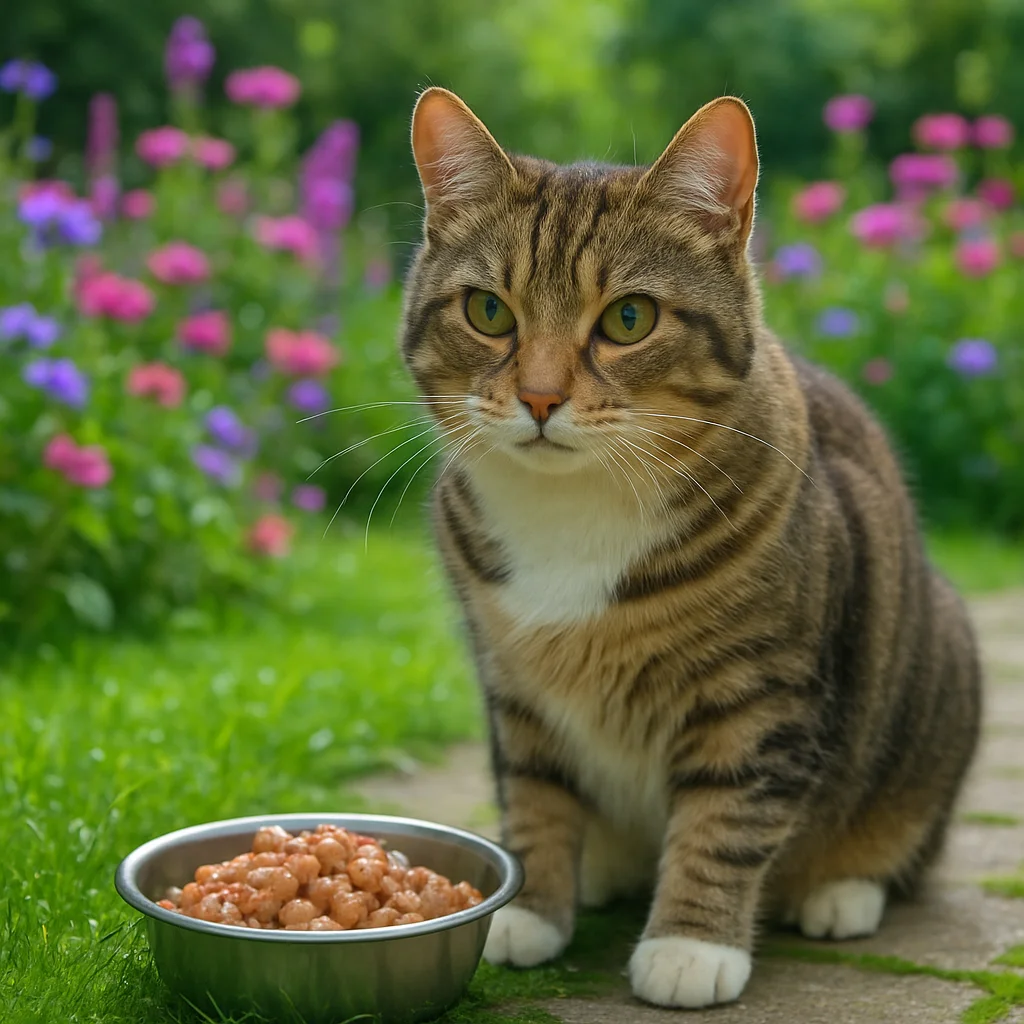
Easy Homemade Wet Cat Food Recipe #2: Beef and Vegetable Medley
This hearty dish is perfect for your meat-loving kitty and is packed with nutrients.
Ingredients:
- 1 cup of ground beef (lean)
- 1/2 cup of carrots (cooked and chopped)
- 1/4 cup of peas (cooked)
- 1/4 cup of water or low sodium beef broth
- 1 tablespoon of olive oil
Instructions:
- In a skillet, cook the ground beef until browned. Drain excess fat.
- Add the cooked carrots and peas to the skillet.
- Pour in the beef broth or water and mix well. Simmer for 5 minutes.
- Remove from heat, stir in olive oil, and let cool before serving.
Balancing Nutrition in Homemade Cat Food
One of the most important considerations when preparing homemade wet cat food is balancing the nutrients. Cats require a specific ratio of proteins, fats, and carbohydrates to remain healthy. It's a good idea to consult with a veterinarian or a pet nutritionist to create a meal plan that meets your cat's needs. This will ensure that your homemade recipes provide all the essential nutrients your cat requires.
In addition to proteins and fats, remember that cats also need vitamins and minerals. Incorporating a variety of ingredients can help achieve this balance. For example, adding a small amount of cooked spinach can provide iron, while fish oil can supply omega-3 fatty acids. Always keep an eye on your cat’s health and adjust recipes as needed.
Tips for Making Mealtime More Exciting
Even the best homemade wet cat food can become boring if served the same way every day. Here are some tips to keep your furry friend interested:
- Rotate recipes: Try different proteins and flavors to provide variety.
- Use different textures: Some cats prefer smooth food, while others like chunky textures. Experiment to see what your cat enjoys.
- Serve warm: Cats often prefer their food slightly warmed, which can enhance the aroma and flavor.
- Add treats: Occasionally sprinkle a few cat-safe treats or nutritional yeast on top for added flavor.
Storing Homemade Cat Food
After preparing delicious homemade wet cat food, you might wonder how to store it properly. Here are some tips:
- Refrigerate: Store homemade cat food in an airtight container in the fridge for up to three days.
- Freeze: If you make a larger batch, consider freezing portions for later use. Ice cube trays work great for this!
- Thawing: When ready to serve, thaw frozen portions in the fridge overnight, or use a microwave (but ensure it’s not too hot before serving).
Conclusion
Creating easy homemade wet cat food recipes can be a rewarding experience for both you and your cat. Not only do you have complete control over the ingredients, but you also get to see your furry friend enjoy fresh, nutritious meals. Remember to balance nutrition and keep mealtime exciting with various recipes and textures. Your cat will thank you with purrs and happy little dances around the kitchen. So get cooking, and watch your kitty thrive!