As a cat owner, you know how important your furry friend’s health is. Have you checked their weight recently? Obesity can lead to serious health issues like diabetes and joint problems in cats. Maintaining a healthy weight is essential for their overall well-being. By making informed choices about their diet and promoting regular exercise, you can significantly improve your cat’s quality of life. Let’s dive into effective tips and strategies to keep your kitty healthy and full of life.
Understanding Feline Obesity
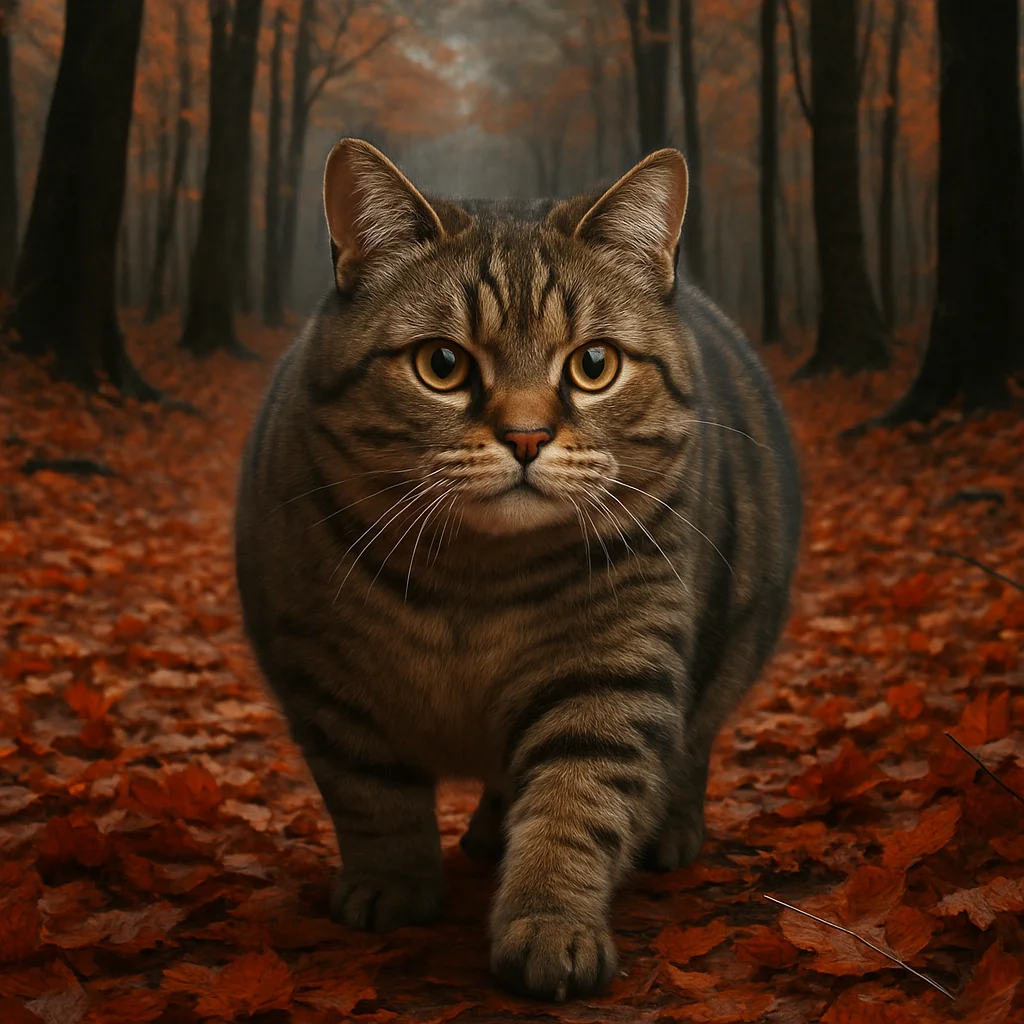
First things first, what exactly qualifies as obesity in cats? Obesity is typically defined as being 20% or more above the ideal body weight. Many pet owners might not realize that their cat is overweight until it becomes a serious issue. There are several factors that contribute to feline obesity, including:
- Overeating: Cats often eat out of boredom or habit.
- Lack of exercise: Indoor cats may not get enough physical activity.
- High-calorie diets: Some commercial cat foods are packed with calories.
Recognizing the signs of obesity is crucial. Look for a noticeable roundness in your cat's belly, difficulty in grooming, or a lack of energy. If you suspect your cat is overweight, it’s time to take action!
Creating a Healthy Feeding Plan
Now that we understand the problem, how do we fix it? Developing a healthy feeding plan is the first step. Here are some key strategies:
Choosing the Right Food
Selecting a high-quality cat food is essential. Look for options that are high in protein and low in carbohydrates. This can help maintain your cat's muscle mass while reducing fat accumulation. Always check the ingredient list:
- Meat should be the first ingredient.
- Avoid foods with too many fillers like corn or soy.
- Consider grain-free options if your cat has sensitivities.
Portion Control Matters
Overfeeding is a common issue. Follow the feeding guidelines provided on the cat food packaging, but adjust based on your cat's weight and activity level. You might want to:
- Use a measuring cup to ensure precise portions.
- Divide daily food into multiple small meals instead of one large meal.
- Be mindful of treats; they should make up no more than 10% of your cat's daily caloric intake.
Encouraging Physical Activity
Diet isn’t everything. Keeping your cat active is equally important for preventing obesity. Here are some fun ways to get your cat moving:
Interactive Playtime
Engage your cat with toys that stimulate their hunting instincts. Feather wands, laser pointers, and interactive toys can provide great exercise. Aim for at least 15-20 minutes of playtime every day.
Creating an Engaging Environment
Make your home a playground! Consider cat trees, scratching posts, and climbing shelves. This encourages natural behaviors and promotes physical activity. Window perches can also keep your cat entertained as they watch the outside world.
Regular Vet Checkups
Don’t forget the importance of regular veterinary visits. Your vet can help monitor your cat's weight and provide personalized dietary recommendations. They can also identify any underlying health issues that may contribute to weight gain.
Conclusion
Preventing obesity in cats is an ongoing journey that requires dedication and attention. By implementing a healthy feeding guide and encouraging regular exercise, you can help your feline friend maintain a healthy weight. Remember, a happy cat is an active cat! Let's work together to ensure our beloved companions live long, healthy lives.