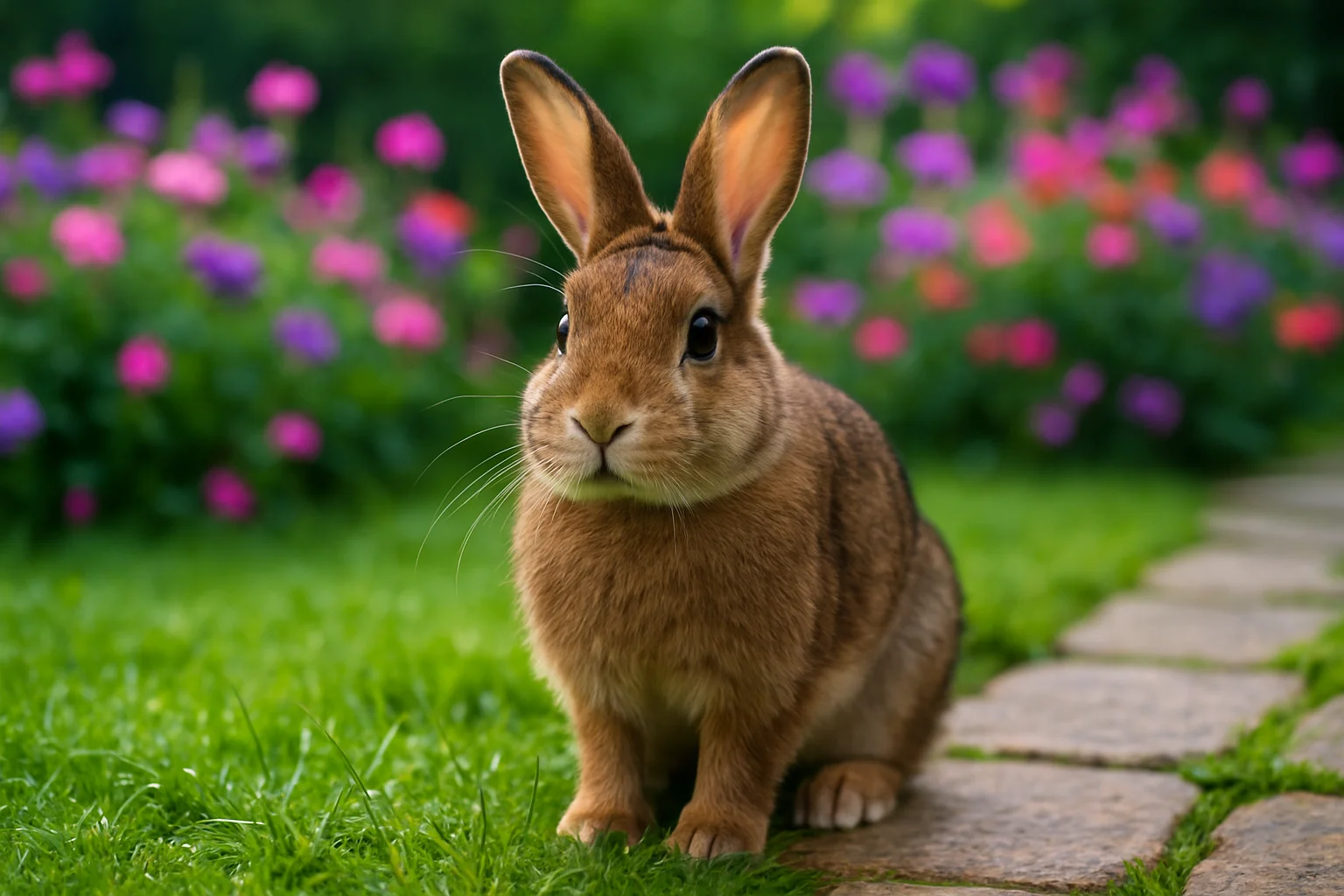
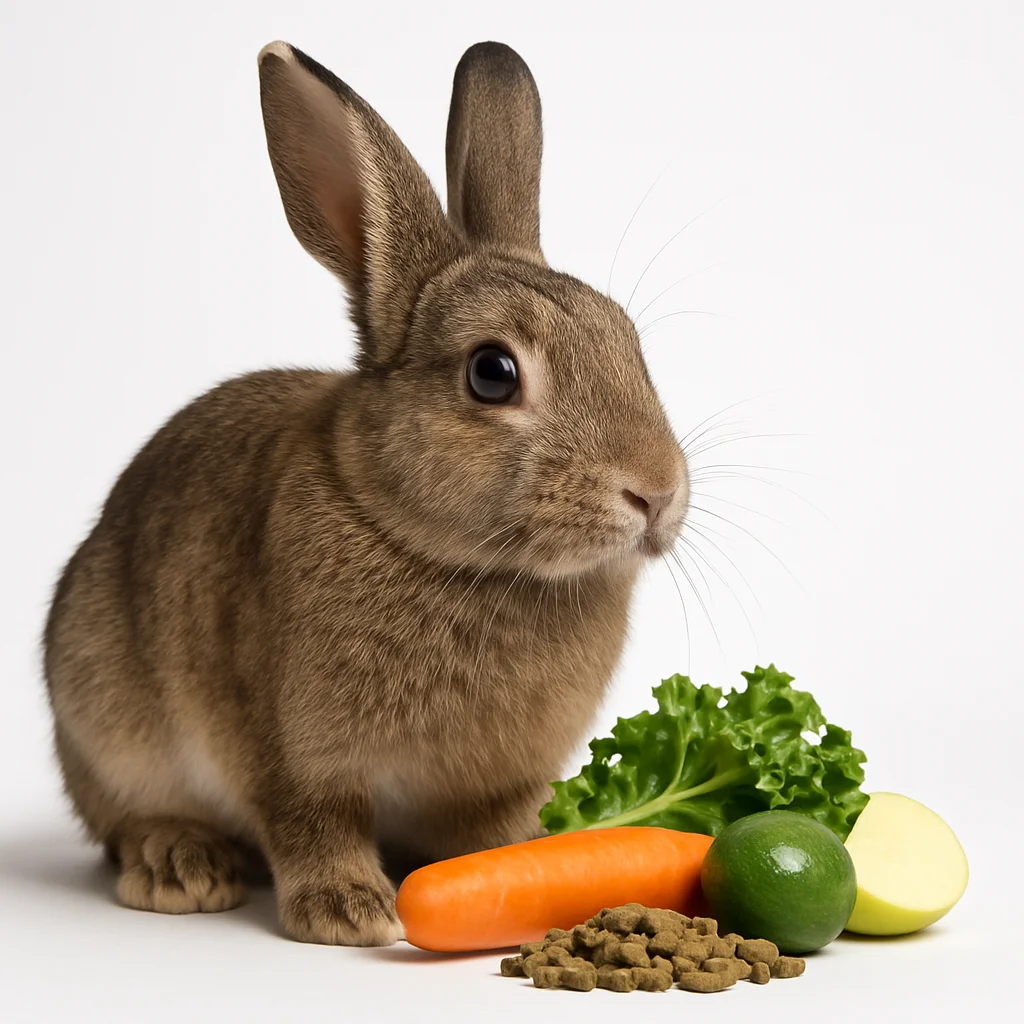
Adopting a rabbit means committing to its nutritional needs. How can you create the right diet? Remember, rabbits thrive on a herbivorous diet. Their meals should mainly include hay, fresh vegetables, and a small amount of pellets. This mix promotes healthy digestion and keeps their teeth strong. Knowing the key food types for your rabbit is essential for their happiness and well-being.
Understanding Rabbit Nutrition
A rabbit's digestive system is specially designed to process high-fiber foods. Fiber is a must in their diet as it helps maintain gut health and prevents obesity. The foundation of any diet plan for rabbits should be high-quality hay. Timothy hay, meadow hay, or orchard grass are excellent choices. Aim for unlimited access to hay daily. It’s their primary food source and provides essential nutrients without the excessive calories found in pellets.
Choosing the Right Vegetables
Fresh vegetables can be a delightful addition to your rabbit's diet plan. Leafy greens are particularly beneficial, but not all veggies are created equal. Some safe options include romaine lettuce, cilantro, parsley, and kale. Avoid starchy vegetables like potatoes and corn, which can upset their digestive system. Introduce new veggies slowly to monitor how your rabbit reacts to them. It’s also wise to provide a variety of colors and textures to keep mealtime interesting!
Understanding Pellets and Their Role
Pellets can be a part of your rabbit's diet but should not dominate it. Choose a high-quality pellet that contains at least 18% fiber. Limit pellets to about a quarter cup per 5 pounds of body weight. Overfeeding pellets can lead to obesity and other health issues. Always check the ingredient list for fillers or seeds, which aren’t beneficial for your rabbit's health.
Hydration is Key
Water is often overlooked but is crucial for your rabbit’s well-being. Make sure your rabbit has constant access to fresh, clean water. You can provide water in a bowl or a sipper bottle, but make sure it's easy for them to drink from. Check their water supply daily, especially if you’re in a warmer climate. Dehydration can lead to severe health problems.
Monitor Weight and Health Regularly
Once you’ve established a diet plan for your rabbit, monitor their weight and overall health. Rabbits can be prone to obesity, so adjusting food portions may be necessary. Regular vet check-ups are also vital to ensure your rabbit is thriving on their diet. Keep an eye out for any changes in behavior or eating habits, as these can signal health issues.
Making Adjustments to the Diet Plan
No two rabbits are alike, so your diet plan may require some tweaking. Factors like age, activity level, and health status will influence their nutritional needs. For instance, younger rabbits might need more pellets, while seniors may require a diet lower in calories. Always be flexible and willing to adapt their diet as necessary.
Conclusion
Creating a diet plan for rabbits is not just about feeding them; it’s about nurturing them to live long, healthy lives. By providing a balanced diet of hay, fresh vegetables, and limited pellets, you're setting your bunny up for success. Don't forget to keep water available and monitor their health regularly. With a little care and attention, your rabbit will be hopping happily in no time!