How to Recognize Cat Poisoning Symptoms and Provide Emergency Home Treatment
Cats have a natural curiosity that often leads them into risky situations. As a pet parent, understanding the signs of poisoning is crucial. Household items like cleaning supplies, certain plants, and even some foods can be toxic to your cat. Being able to spot these signs early can save your furry friend’s life. Common symptoms include vomiting, diarrhea, lethargy, and unexpected changes in behavior. If you observe any of these, it’s important to stay composed and take action immediately. In this article, we will explore the symptoms of cat poisoning, how to perform emergency treatments at home, and when it’s time to consult a vet.
Common Symptoms of Cat Poisoning
The first step in dealing with potential poisoning is recognizing the symptoms. Cats can exhibit a wide range of signs, and these can vary based on what they’ve ingested. Here are some common symptoms to watch for:
- Vomiting: This is one of the most common initial signs of poisoning. If your cat suddenly begins to vomit, it can indicate that something is wrong. Monitor the frequency and appearance of the vomit, as this information can be helpful for your vet.
- Diarrhea: Similar to vomiting, diarrhea can occur due to the ingestion of toxic substances. This can lead to dehydration, so it's vital to keep an eye on your cat's hydration levels.
- Lethargy: If your cat is unusually tired, disinterested in playing, or seems to lack energy, this could be a sign of distress. Cats naturally enjoy play, so a significant change in behavior should raise a red flag.
- Loss of Appetite: A poisoned cat may refuse to eat or drink, which can lead to further health complications. Monitor your cat’s eating habits closely, and if they skip meals for more than 24 hours, consult a vet.
- Salivation: Excessive drooling can indicate nausea or poisoning. If you notice your cat drooling more than usual, especially if accompanied by other symptoms, take it seriously.
- Seizures: Some toxins can affect the nervous system, leading to seizures or tremors. If your cat experiences a seizure, it's crucial to seek veterinary assistance immediately.
- Behavior Changes: If your cat is more aggressive, fearful, or withdrawn, it could signal something is wrong. Pay attention to any unusual behaviors or reactions, as they can provide valuable insight into your cat's condition.
Being aware of these symptoms can help you act quickly, which is crucial in emergency situations. Remember, time is of the essence!
Common Household Toxins for Cats
Many common household items can be toxic to cats. Knowing what to avoid can help you cat-proof your home. Here’s a list of common toxins:
- Plants: Many popular houseplants are toxic, including lilies, poinsettias, and philodendrons. Always check before bringing a new plant into your home, and consider choosing cat-safe plants like spider plants or cat grass instead.
- Foods: Some human foods are dangerous for cats, such as chocolate, onions, garlic, grapes, and raisins. Always keep these out of reach, and educate your family members about the dangers of feeding cats table scraps.
- Cleaning Supplies: Products like bleach, ammonia, and certain detergents can be harmful. Store these in a secure place, preferably in a cabinet with a childproof lock, to prevent accidental exposure.
- Medications: Human medications, such as ibuprofen or acetaminophen, are extremely toxic to cats. Always keep your medications stored safely, and consider using a locked cabinet if you have children.
- Pesticides: If you use pest control products, make sure your cat is kept away from treated areas until it's safe. Additionally, consider using pet-safe alternatives when dealing with pest issues.
Being informed about these potential dangers can significantly reduce the risk of poisoning in your cat.
Emergency Home Treatment for Cat Poisoning
If you suspect your cat has ingested something toxic, it’s essential to remain calm and take action. Here are some steps for emergency home treatment:
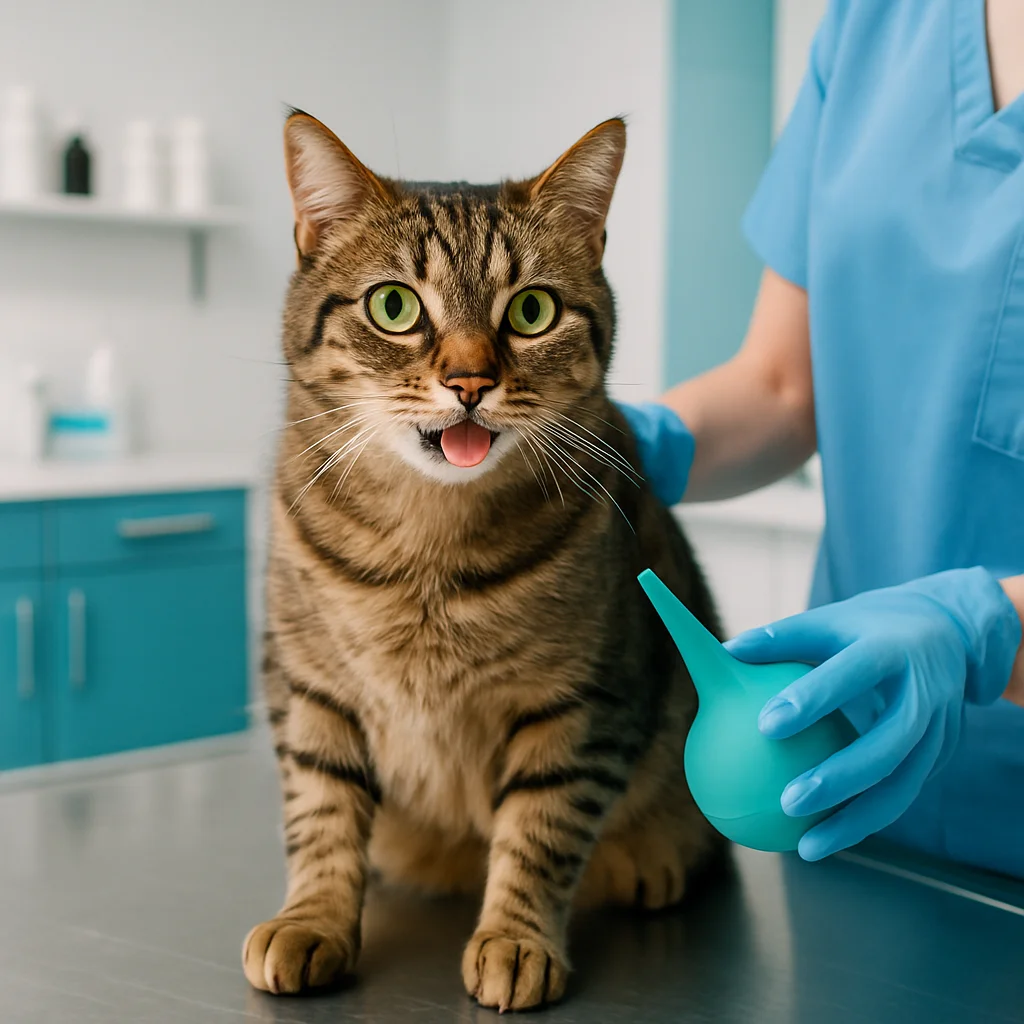
- Assess the Situation: Determine what your cat may have ingested and how long ago it happened. This information will be crucial for your vet. If possible, keep the packaging or a sample of the substance for reference.
- Contact Your Veterinarian: Always reach out to your veterinarian or an emergency animal clinic for advice. They can guide you on the next steps and may ask you to describe the symptoms your cat is showing.
- Do Not Induce Vomiting Without Guidance: While inducing vomiting can sometimes be beneficial, it can also be harmful, depending on the toxin. Always consult a professional first, as some substances can cause more harm if vomited.
- Provide Activated Charcoal: If advised by your vet, you may give your cat activated charcoal to help absorb the toxin. Follow the instructions carefully, as the dosage will depend on your cat’s size and the substance ingested.
- Monitor Your Cat: Keep a close eye on any changes in behavior or symptoms. Take notes to share with your vet, including the time of ingestion, symptoms observed, and any treatment given.
These steps can be lifesaving, but always prioritize seeking professional help when dealing with poisoning.
When to See a Veterinarian
While some cases of mild poisoning can be treated at home, there are times when you must seek veterinary care immediately. Here are some indicators:
- If your cat is showing severe symptoms such as seizures or difficulty breathing, these are emergencies that require immediate attention.
- If you’re unsure what your cat has ingested, especially if it could be something highly toxic, err on the side of caution and consult your vet.
- If your cat refuses to eat or drink for more than 24 hours, it's essential to seek veterinary assistance to prevent further health complications.
- If the symptoms persist or worsen despite home treatment, do not hesitate to seek help. Your veterinarian has the tools and experience to provide the best care possible.
Don’t hesitate to seek help when needed!
Preventing Cat Poisoning
Prevention is key when it comes to keeping your cat safe from poisoning. Here are some practical tips to help you avoid these dangerous situations:
- Pet-proof your home: Store all cleaning supplies, medications, and hazardous materials in cabinets or areas out of reach. Regularly check your home for any new hazards.
- Avoid toxic plants: Do your research before introducing new plants into your home. Opt for cat-safe varieties, and consider creating a designated area for your plants that is off-limits to your cat.
- Educate yourself: Stay informed about common household toxins and regularly review your home for potential hazards. Share this knowledge with family and friends who may care for your cat.
- Discuss with your vet: Regularly consult your veterinarian about safe products and foods for your cat. They can provide recommendations tailored to your specific pet's needs.
By taking these precautions, you can significantly minimize the risk of poisoning.
Conclusion: Being Prepared Saves Lives
Understanding cat poisoning symptoms and knowing how to perform emergency home treatment can make all the difference for your furry friend. Being prepared means recognizing the signs early, acting swiftly, and knowing when to seek veterinary help. Your cat relies on you for safety, and by educating yourself, you’re ensuring their well-being. Remember, prevention is key, so take the time to pet-proof your home and stay informed about potential hazards. With love, vigilance, and the right knowledge, you can help keep your cat healthy and happy!