As your cat ages, it's completely normal to feel concerned about their well-being. One challenge that many older cats face is dementia, also known as cognitive dysfunction syndrome (CDS). This condition can lead to memory loss, confusion, and changes in behavior. It’s crucial for you, as a caring pet owner, to spot the signs of dementia and create a supportive environment for your furry companion. Early detection can slow the progression of the condition and improve their quality of life. Keep an eye out for these symptoms and learn how to help your beloved pet thrive in their senior years.
What Are the Symptoms of Dementia in Older Cats?
Recognizing the symptoms of dementia in older cats can be a challenge, but there are key behaviors to look out for. One of the most common signs is disorientation. You might notice your cat staring blankly at a wall or getting lost in familiar surroundings. Another symptom is changes in sleeping patterns; they may become restless at night or sleep more during the day. Additionally, some cats may exhibit altered social interactions, becoming more withdrawn or, conversely, seeking excessive attention.
- Increased vocalization, especially at odd hours.
- Changes in appetite or refusal to eat.
- Inappropriate elimination, such as urinating outside the litter box.
- Loss of interest in play and toys.
- Forgetfulness of learned behaviors, like using the litter box.
If you notice any of these symptoms, it’s essential to consult with your veterinarian. They can rule out any other medical issues and help you devise a plan to support your cat.
How to Make Life Easier for Your Cat with Dementia
Once you’ve identified the symptoms of dementia in older cats, the next step is providing comfort and support. Here are some effective strategies:
Create a Safe and Familiar Environment
Keeping your cat’s surroundings familiar can significantly reduce anxiety. Stick to their routine as much as possible. Keep their food, water, litter box, and favorite resting spots in the same place. Adding some soft, cozy bedding can also make them feel secure.
Establish a Routine
Just like humans, cats thrive on routine. Regular feeding times, play sessions, and bedtime can help your cat feel more grounded. This predictability can ease their anxiety and confusion.
Engage Their Minds
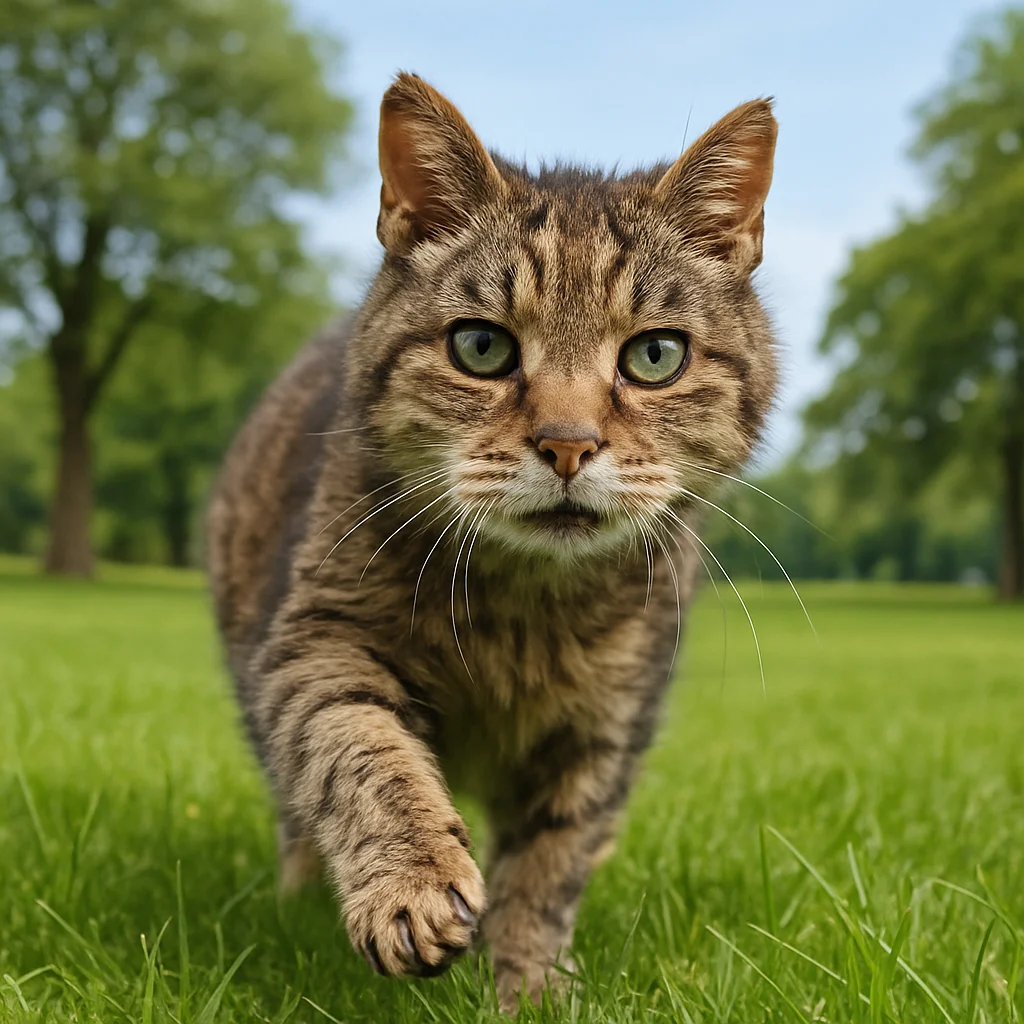
Stimulating your cat’s mind is crucial. Try interactive toys or puzzles designed for cats, which can help keep their cognitive functions sharp. Spend time playing with them every day. Even simple activities, like chasing a feather or rolling a ball, can provide mental stimulation.
Monitor Their Health
Regular vet check-ups are vital for senior cats. Your vet can assess your cat’s cognitive health and suggest supplements or medications if appropriate. Keeping an eye on their physical health can also help you spot any changes that might affect their mental state.
Consider Dietary Adjustments
Nutrition plays a significant role in your cat's overall health, including brain health. Look for high-quality cat food formulated for senior cats, as these often contain dietary supplements like omega fatty acids and antioxidants to support cognitive function.
When to Seek Professional Help
As a pet owner, it’s tough to see your furry friend struggle. If your cat’s symptoms worsen or if they seem to be in distress, don’t hesitate to reach out to your veterinarian. They can provide guidance on potential medications or therapies that can help manage the symptoms of dementia.
Final Thoughts
Understanding the symptoms of dementia in older cats is essential for any devoted pet parent. With early detection and the right strategies in place, you can help your cat navigate this challenging phase of life. Remember, your love and attention can make all the difference for your senior feline. Embrace patience, and cherish the moments you have together. After all, our cats are family, and they deserve the best care, especially as they age.